Sell Electrical Transformers in Hawaii — Planning Guide
This page helps owners and project teams in Hawaii prepare transformers for sale so buyers can evaluate assets efficiently. It covers the documentation and technical details buyers typically request, how site access and rigging affect options, long-distance freight considerations specific to island logistics, and realistic timing. The guidance is intended for contractors, facility managers, demolition teams, equipment resellers, and others who need a practical checklist before contacting a nationwide transformer buyer.
Evaluation starts with facts
Share the manufacturer, rating, voltage, phase, condition, quantity, and location before discussing value or pickup.
1. Gather nameplate and ownership documentation first
A clear equipment file speeds any sale review. Photographs of the nameplate are the single most helpful item because they reveal manufacturer, serial number, kVA or MVA rating, primary and secondary voltages, phase, frequency, temperature rise, impedance, and design notes. Also collect purchase invoices, maintenance logs, test and service records, and any title or surplus property documents that show lawful ownership. If multiple identical units exist, note quantities and whether they were in service together or stored separately.
Bullets are included below to highlight the most useful items:
- Nameplate photo(s) showing manufacturer, model, and serial number
- kVA or MVA rating, primary/secondary voltages, phase, and frequency
- Test reports, insulation resistance tests, and recent service records
- Purchase invoices, transfer documents, or surplus property tags
- Quantity and last-known operating status (in-service, removed, stored)
2. Explain the equipment type and condition clearly
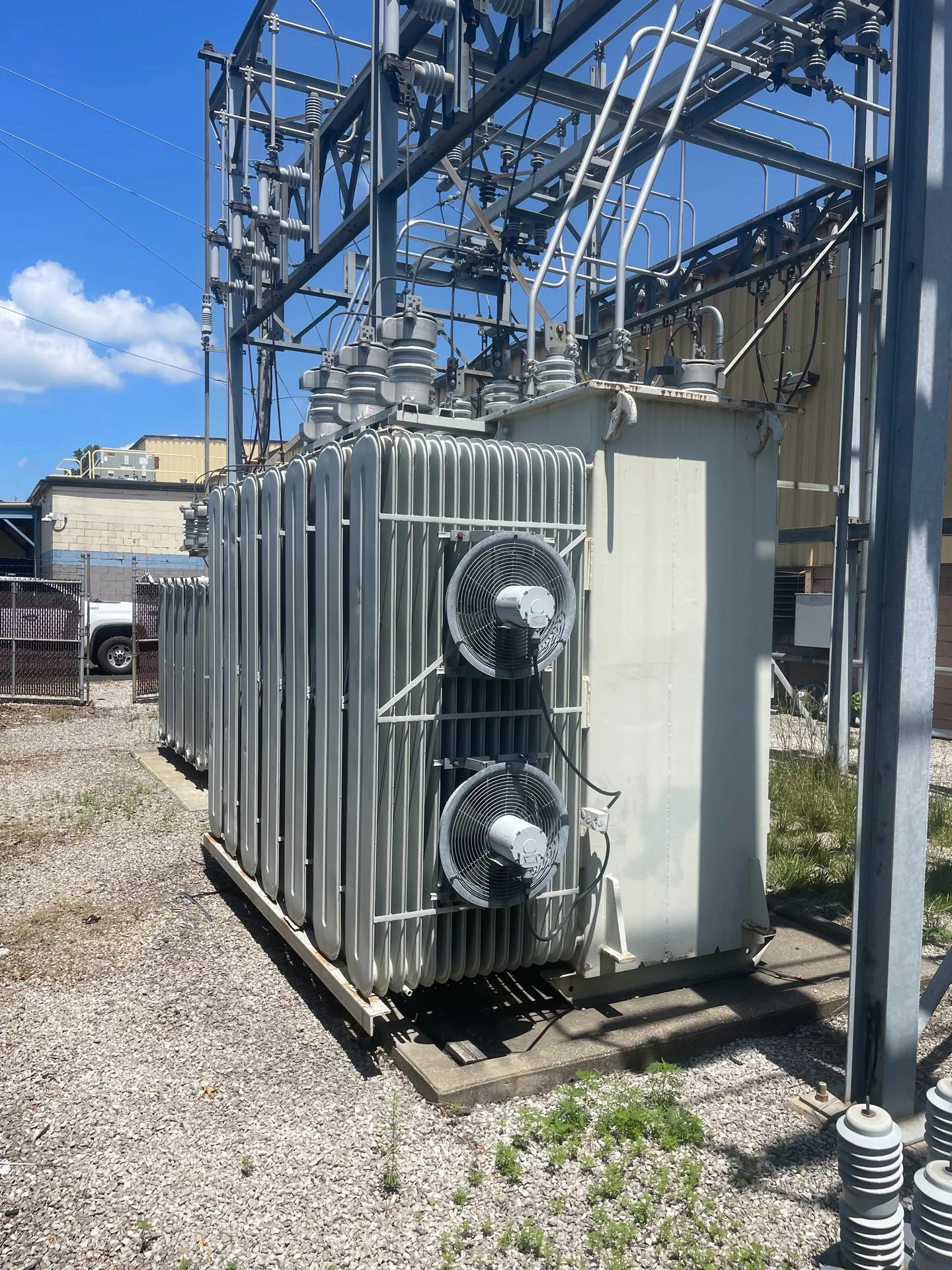
Buyers assess transformers by type (dry-type, oil-filled, pad-mounted, distribution, power, isolation, auto-transformer, etc.), age, and visible condition. State whether units were energized at removal, stored indoors, or exposed to weather. Note missing panels, corrosion, fluid leaks, repainting, or mechanical damage. Provide any test or service records you have. Accurate condition descriptions reduce surprises and help buyers indicate if an item is reusable, suitable for parts, or likely to be offered for scrap or recycling instead.
Important technical details to include are listed below:
- Design type and enclosure (e.g., indoor dry-type, outdoor oil-filled, pad-mounted)
- Manufacturer and model series if known
- Age or manufacturing year and any major repairs
- Known electrical test results or outstanding maintenance issues
- Quantity of identical units and any interconnection history
3. Plan site access, disconnection, and rigging with qualified professionals
Site access and lifting capacity often determine whether a buyer can remove equipment or whether a seller must arrange removal. Identify gate/roadwidth, overhead clearance, staging areas for cranes or forklifts, and closest public road suitable for heavy trucks. Any disconnection, de-energization, testing, or fluid handling should be performed by qualified electrical and rigging contractors under applicable codes and permits. Share access photos and lifting points early so buyers or their logistics partners can advise on required equipment and permits.
Common access considerations:
- Clear route from transformer to truck loading location, with measurements
- Onsite crane or forklift capacities and ground-bearing conditions
- Proximity to utility lines or other overhead obstructions
- Any site restrictions, security clearances, or required contractor badges
4. Prepare for loading, packaging and temporary storage
Preparation affects cost and timing. Oil-filled units may require fluid containment and certified draining/transportation procedures. Dry-type units often need bracing for transport. Secure panels, bushings, and fragile components; protect windings and cores from moisture. If long-term onsite storage is unavoidable, describe sheltering, elevation from grade, and any corrosion protection used. Proper labeling and skid or cradle information—weight and center of gravity data when available—help freight providers quote accurately and avoid handling delays.
Suggested items to prepare for a smoother pickup:
- Remove loose panels and secure internal parts; photograph loose items
- Provide estimated weight, dimensions, and center-of-gravity if available
- Document any existing fluid handling performed and provide disposal certificates if applicable
- Identify nearby staging areas for crane or truck placement
5. Understand long‑distance freight and island logistics
Because Hawaii involves multiple islands and long-distance moves, freight considerations can materially affect offers. Buyers typically need exact weight, packed dimensions, and the pickup point (pier, yard, jobsite) to estimate containerization, barge or air options, and inland trucking. Allow extra lead time for booking ocean freight, inspections, transits between islands, and customs-like clearance at ports. We work as a nationwide buyer and coordinate with third-party carriers; however, sellers should not assume local on-island crews or specific pickup timelines without confirmation.
Factors that influence freight planning and cost:
- Total shipping weight and the load dimensions after crating or skidding
- Nearest port or barge ramp and whether specialized handling will be required
- Need for containerization versus open-deck barge or flatbed trucking
- Permitting or escort requirements for oversize/overweight loads
6. Timing, transfer of ownership, value drivers, and alternatives
Start discussions early in a project timeline so documentation and access remain available. Buyers evaluate timing against current demand, which fluctuates by size, type, and condition; older or damaged units may be less marketable and might be better suited to auction, broker sale, parts resale, or qualified recycling/disposal. Clear ownership records, lien releases, and bills of sale will speed closing. Be honest about unknowns—missing nameplates or no test history may require onsite inspection or additional testing before a firm offer is possible.
If a buyer declines an offer, common alternatives include:
- Using an equipment broker or marketplace to reach specialty buyers
- Selling as parts or cores to a recycler or spares dealer
- Placing units into an auction where buyers can bid on condition-specific items
- Arranging qualified disposal when reuse or resale is not practical
Common questions
Practical answers before you call
One clear next step