How to Sell Transformers From Facility Shutdowns
Facility shutdowns and decommissions often leave transformers that could be reused, resold, or recycled. This guide explains what professional buyers review, which technical and commercial details matter, and how to present equipment so it can be evaluated efficiently. It focuses on information facility managers, contractors, and asset managers should assemble and decisions they must make; it does not provide instructions for disconnection, testing, or rigging, which must be done by qualified professionals under applicable rules.
Evaluation starts with facts
Share the manufacturer, rating, voltage, phase, condition, quantity, and location before discussing value or pickup.
Why transformers from shutdowns are evaluated differently
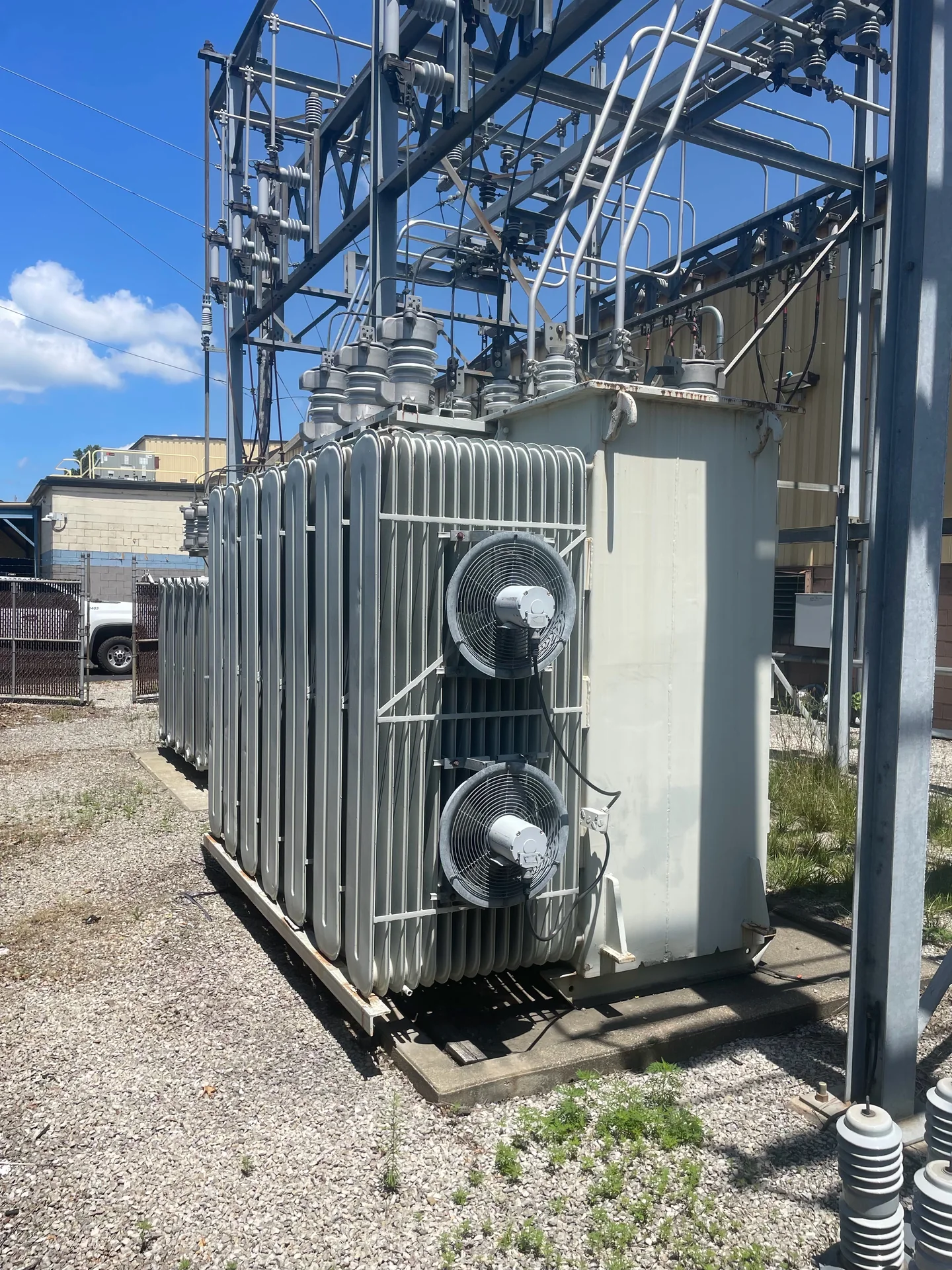
Transformers taken out of service during a shutdown are not all equal: buyers weigh technical specifications, physical completeness, documented service history, and logistical complexity together. A relatively new dry‑type unit with a clear nameplate and test records is more likely to be placed for reuse than an old, weathered oil‑filled padmount with no papers. The shutdown context—tight removal windows, multiple units at one site, or remote locations—also changes commercial interest because it affects removal cost, scheduling, and the pool of buyers who can reasonably access the asset.
bullets
- Buyers combine technical data, condition, and logistics when deciding interest
- Units with clear documentation travel through reuse channels; unknowns trend to auction or recycling
- Shutdown timelines and site complexity can reduce the buyer pool
Start by capturing nameplate and identification details
The single most useful item for a reviewer is a readable nameplate. Typical entries include manufacturer, serial or model number, rated kVA or MVA, primary and secondary voltages, phase (single‑ or three‑phase), and frequency. Nameplates may also list percent impedance, temperature rise, cooling class, and enclosure type—details that influence where a unit can be reused. Provide clear, close‑up photos of the nameplate plus wide shots that show the whole unit and mounting arrangement so buyers can match the specification to potential reuse needs.
bullets
- Photograph the nameplate close-up and the whole unit from multiple angles
- Record kVA/MVA, primary/secondary voltages, phase, and frequency in your inventory
- Note model/serial numbers and any validation from plant records
Document condition, tests, and service history
Condition and service history materially affect value. Buyers want to know if the transformer was last operational, whether dielectric or turns‑ratio tests exist, and whether there are recent maintenance records. Visible damage—missing panels, corroded bushings, oil leaks, or interior deterioration—reduces reuse options and may require third‑party testing. If test reports are available, include them. Do not perform live electrical tests unless performed by qualified personnel; instead, list the latest known status and any available certificates generated by professionals.
bullets
- List last known operational status and any test reports (hipot, turns‑ratio, oil analysis)
- Note visible damage, missing components, or evidence of fluid leaks
- Attach maintenance logs, service invoices, or decommissioning records if available
Assess ownership, site access, rigging and timeline constraints
Commercial reviews consider who owns the equipment, site accessibility, and the removal timeline. Buyers need clear title or a written transfer authority to proceed. Describe physical access—forklift approach, dock level, elevator limits, or whether a crane is required—and any rigging constraints such as limited clearances or nearby hazards. Also state deadlines driven by lease ends, demolition schedules, or permit windows. Limited access and short removal windows increase cost and reduce the number of buyers willing to pursue the purchase.
bullets
- Confirm ownership and have documentation ready (asset tag, invoice, transfer authorization)
- Provide clearance measurements, photographs of access routes, and rigging considerations
- State any removal deadlines, permit conditions, or site restrictions
How unit type and current market demand shape disposition options
Different transformer types draw different markets. Commercial distribution and industrial power transformers with intact nameplates and records often interest end users and resellers. Dry‑type indoor units are generally easier to move than oil‑filled padmounts, which bring environmental handling and transport constraints. Older, rare, or internally unknown units may be better placed through auction or a broker, or directed to qualified recyclers. Be realistic: not every unit will receive a direct purchase offer—alternatives should be identified early.
bullets
- Dry‑type vs oil‑filled influences handling, testing, and buyer sets
- Multiple units or full electrical packages are more attractive than single isolated pieces
- Consider direct sale, brokered resale, auction, or certified recycling depending on demand
Practical next steps and how to hand the project to professionals
To move forward efficiently, assemble clear photos (including the nameplate), a short inventory with kVA, voltages, phase, manufacturer and serial number, and any test or service records. Note location, accessibility, quantity, and the shutdown timeline. When a buyer is selected, retain qualified contractors for disconnection, testing, oil handling, rigging, and transport; these activities must comply with codes, environmental rules, and safety practices. If a unit is not marketable, document responsible recycling or disposal options performed by certified vendors.
bullets
- Prepare a concise inventory and photo packet for each unit
- Request written review guidelines from buyers, brokers, or auction houses
- Engage licensed contractors for all electrical, rigging, and fluid‑handling work
Common questions
Practical answers before you call
One clear next step