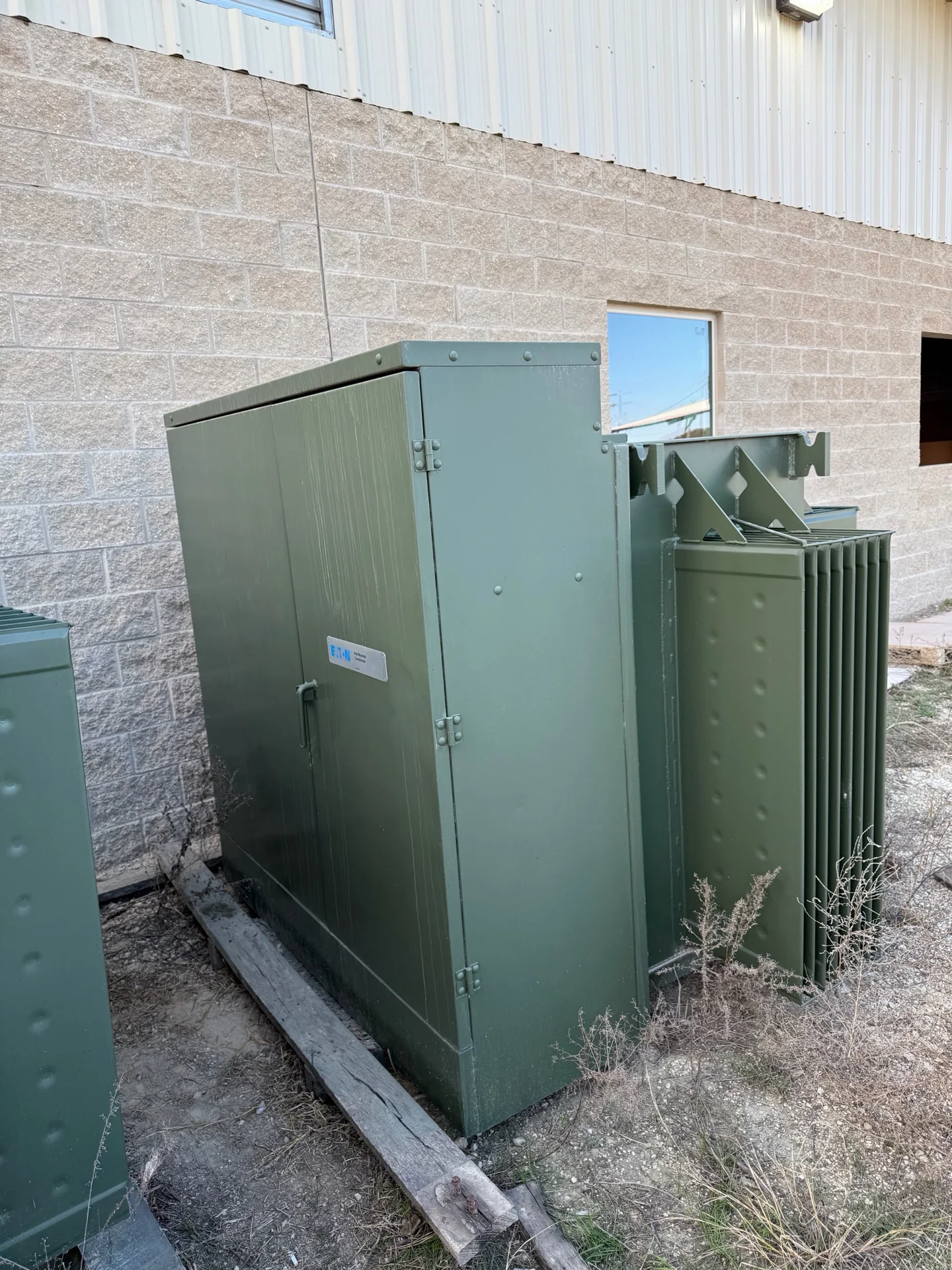
Who Buys Pad-Mounted Electrical Transformers?
Short answer: buyers include direct electrical-equipment resellers, specialized surplus purchasers, some recyclers, and occasionally brokers or auction houses — but each buyer type evaluates pad-mounted transformers differently. This page explains how to tell an equipment buyer apart from brokers, auctions, recyclers, and scrap yards, what technical and site details influence offers, what due diligence buyers perform, and practical next steps for sellers.
Evaluation starts with facts
Share the manufacturer, rating, voltage, phase, condition, quantity, and location before discussing value or pickup.
Identify the right buyer type for your unit
Pad-mounted transformers are specification-driven distribution assets. Equipment resellers and specialized surplus buyers assess units for reuse, spare-parts salvage, or resale to utilities and contractors. Brokers and auction houses may help reach more buyers but typically work on commission and expect a longer sale timeline. Recyclers and scrap yards focus mainly on metal and dielectric fluids; they may offer less when an intact, spec-compliant transformer has reuse value.
Ask yourself whether the unit is likely reusable (readable nameplate, intact cabinet, known kVA and voltages) or is primarily valuable for scrap. If reuse is possible, start with buyers who review technical data and test records. If documentation and condition are poor, an auction or broker may broaden exposure, while recyclers provide a disposal-oriented route. Not every transformer will receive a purchase offer — honesty about condition and documentation helps match expectations.
- Equipment resellers/surplus buyers — look for reuse/resale value
- Brokers/auction houses — increase market exposure; may extend timeline
- Recyclers/scrap yards — focus on metal and fluid recovery; lower resale premiums
What buyers need to qualify a pad-mounted transformer
The most important single item is readable nameplate data: manufacturer, serial number, model, kVA rating, primary and secondary voltages, phase, frequency, and impedance. Buyers also want to know the design type (pad-mounted distribution, auto-transformer, isolation, step-up/step-down), enclosure condition, and whether the unit is oil-filled or dry-type. These details determine compatibility with potential reuse markets and narrow valuation ranges quickly.
Beyond the nameplate, buyers ask about age, service history, and test or service records. Recent insulation tests, oil analysis, or maintenance documentation raises interest and often improves value. Quantity matters too: multiple identical units create stronger market demand. Be prepared to state ownership, any liens or encumbrances, and whether the transformer was removed working or is untested after removal.
- Nameplate: manufacturer, kVA, voltages, phase, serial/model
- Design: oil-filled vs. dry, enclosure, bushings, accessories
- Records: test reports, oil analysis, maintenance history
- Operational status: removed working, stored, or damaged
Pad-mounted seller checklist before buyer outreach
For a pad-mounted transformer, a buyer needs both technical information and a realistic site picture. In addition to the nameplate, provide photos of the cabinet, bushings, doors, pad area, fences, nearby obstacles, and any evidence of leaks, corrosion, or damage. These facts help distinguish an equipment review from a scrap-only inquiry.
Do not assume that a ground-level installation means pickup is simple. Gate width, truck approach, utility coordination, clearance, lifting needs, environmental requirements, and authorized access can all affect a commercial review.
- Capture nameplate, cabinet condition, bushings, pad area, access route, and nearby obstructions
- Disclose whether the unit is oil-filled, installed, de-energized, removed, tested, or untested
- Provide the city/state/ZIP, lot quantity, ownership authority, and site contact information
- Describe fencing, gate width, forklift or crane availability, scheduling restrictions, and removal timeline
How buyers value pad-mounted transformers
Valuation is a combination of technical specs, condition, market demand, and logistics. A buyer assesses kVA/MVA, primary and secondary voltage combinations, phase and frequency, and whether the unit’s configuration matches current buyer needs. High-demand manufacturers or common distribution voltages typically attract more interest. Conversely, obsolete voltages, uncommon designs, or missing nameplates reduce potential offers.
Condition and documentation adjust that base value. Complete cabinets, intact bushings, and recent test records support reuse and command higher prices. Corroded enclosures, leak history, or unknown internal condition shift valuation toward parts or scrap. Buyers also factor quantity (bulk lots sell easier), timeline (long lead times lower offer flexibility), and prevailing demand in their resale channels.
- Technical fit: kVA, voltage, phase, frequency
- Condition premium: readable nameplate, intact enclosure, tests
- Market dynamics: manufacturer demand, lot size, timing
Buyer due diligence and transaction steps
A serious buyer will request clear photos of all sides including nameplates, close-ups of bushing areas, interior photos if available, and any test or service records. They may ask for a site visit or a third-party inspection if the unit is large or of high value. Expect questions on ownership documentation and whether the seller can provide clear title or bill-of-sale language; buyers perform due diligence to manage their resale risk.
Transaction documents commonly include a written purchase agreement or bill of sale that identifies the unit, states the price, outlines removal responsibilities, and assigns risk transfer. Some buyers issue conditional offers based on inspection results. Be mindful that a final offer can change if hidden damage is discovered; reputable buyers will explain any adjustments rather than suddenly rescinding offers without cause.
- Documentation requested: photos, nameplate, test records, title
- Inspections: remote review, site visit, or third-party testing
- Paperwork: purchase agreement or bill of sale, payment terms
Planning pickup, rigging, and freight
Logistics materially affect net proceeds. Buyers consider site access, pad location, fencing or security, and whether a transformer is still installed. Rigging and loading require qualified contractors and appropriate lifting equipment — buyers will clarify who arranges and pays for rigging and freight in the agreement. A unit accessible by forklift or on a ground-level pad is cheaper to remove than one behind obstructions or on elevated pads.
Coordinate timelines early. Buyers will want clear removal windows and confirmation that necessary permits or utility disconnects have been completed by qualified professionals. Do not perform electrical disconnection, testing, or rigging unless carried out by licensed personnel in compliance with applicable codes and safety requirements. Clarifying responsibilities for environmental handling of oils and fluids is also part of planning.
- Assess access: pad location, obstacles, security
- Clarify who pays for rigging, lifting, and freight
- Confirm qualified professionals handle disconnects and fluid handling
Red flags sellers should watch for
Be cautious if a prospective buyer avoids asking for technical details or insists on a single low-price offer without documentation. Unclear title, inconsistent answers about removal responsibilities, or requests to leave equipment onsite without a signed agreement are warning signs. Also be wary if a buyer promises rapid payment but cannot document where the unit will go or how they handle environmental compliance.
If a unit lacks a readable nameplate, has severe cabinet damage, or shows signs of oil leaks and long-term exposure, expect offers oriented toward parts or scrap rather than resale. In those cases, consider alternatives such as brokered auctions for wider exposure, specialized recyclers for compliant disposal, or qualified disposal services. A transparent buyer will lay out options and explain why they reached a particular offer.
- Warning signs: evasive answers, no written terms, unclear removal plan
- Condition alerts: missing nameplate, oil leaks, heavy corrosion
- When reuse is unlikely: consider auction exposure or qualified recycling
Common questions
Practical answers before you call
Nationwide service areas
Find a transformer buyer in your state
Open the state guide that matches the equipment location to review the information that helps a commercial transformer purchase review move forward.
One clear next step