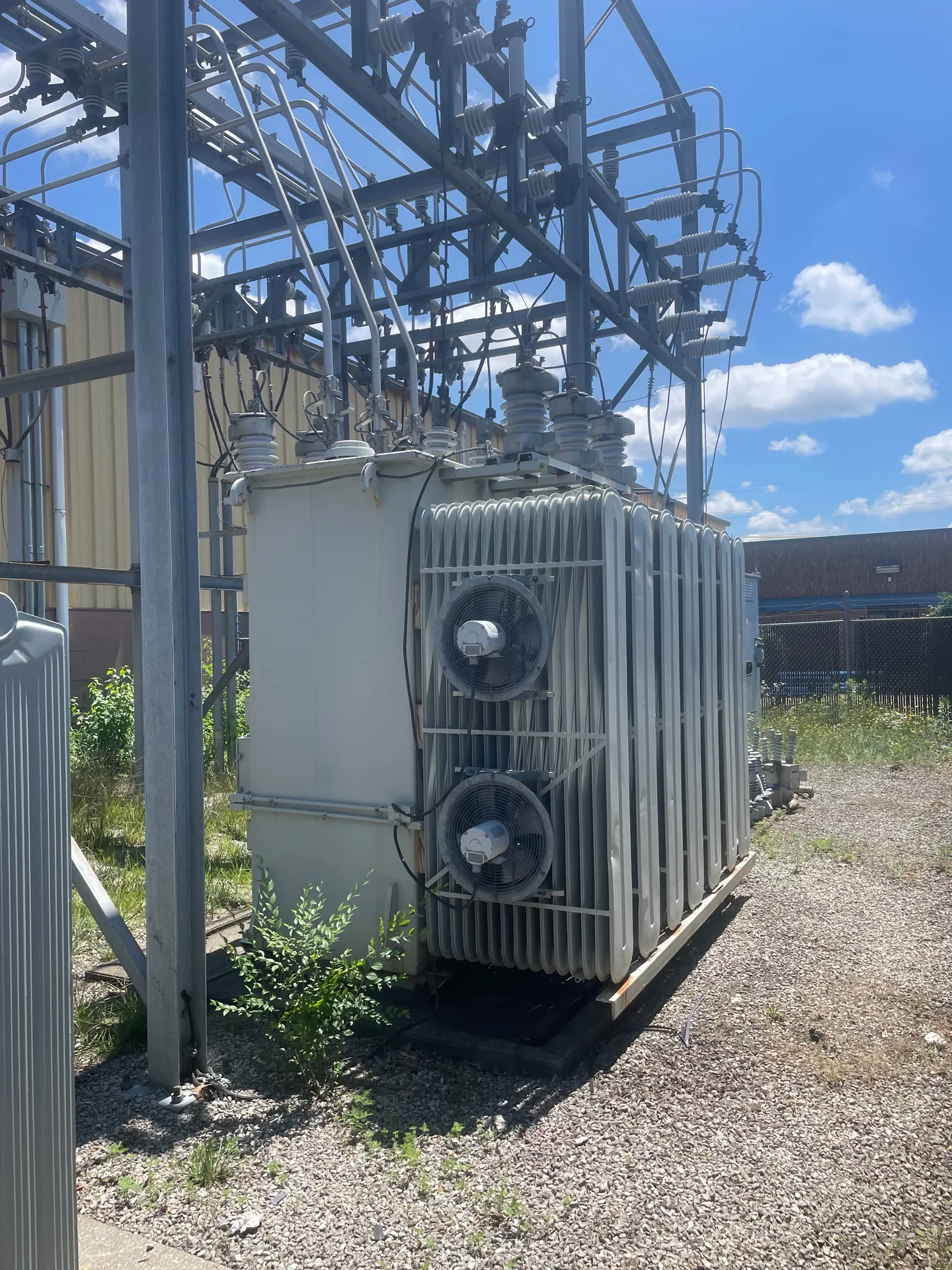
Where To Sell Electrical Transformers
Where you sell an electrical transformer depends on whether the unit has documented reuse potential, the amount of equipment available, and the practical realities of inspection and removal. Direct electrical-equipment buyers, resellers, brokers, auctions, and recyclers serve different situations. A fact-based review helps identify the appropriate route before a seller commits time or transportation costs.
Evaluation starts with facts
Share the manufacturer, rating, voltage, phase, condition, quantity, and location before discussing value or pickup.
Compare your sales channels — when to pick each option
A practical decision begins with matching the unit to the appropriate channel. Direct equipment buyers (industrial resellers or asset purchasers) typically pay for units that are serviceable, documented, and accessible. Auctions widen market exposure for unusual or higher-value assets but transfer removal risk to buyers. Brokers can find niche purchasers but charge a commission. Recyclers and scrap yards are realistic choices for end-of-life, heavily damaged, or environmentally restricted transformers. Choose based on condition, urgency, paperwork, and whether you need help arranging removal.
Bulleted lists summarize pros and trade-offs below.
- Equipment buyer: best for reusable or refurbishable units with clear nameplates and records
- Auction: useful for special or high-value items when you accept market-driven results
- Broker: expands reach for rare or atypical transformers in exchange for commission
- Recycler/scrap yard: appropriate for non-repairable, PCB-contaminated, or end-of-life units
Valuation: the specific inputs buyers use
Buyers form offers around concrete technical and commercial inputs. Nameplate data is foundational: kVA or MVA rating, primary and secondary voltages, phase, frequency, serial number, and manufacturer/model. Design type (power, distribution, autotransformer, isolation, pad-mounted), age, and visible condition shape marketability. Recent test or service records — turns ratio, insulation resistance, and relay/fault history — materially increase interest. Quantity, lot size, and current buyer demand for that specific configuration will also affect price and lead time.
A short checklist of common valuation elements follows.
- Nameplate: kVA/MVA, voltages, phase, frequency, serial/model
- Manufacturer and design type: market appeal varies by brand and type
- Condition and age: external corrosion, insulation condition, and maintenance history
- Test/service records: recent turns-ratio, DGA, IR, or load tests
- Quantity and packaging: single unit vs multiple units or spare inventory
- Ownership and title: clear documentation avoids transaction delays
Choose a route that matches the equipment and documentation
An intact transformer with a readable nameplate, useful ratings, condition information, and realistic loading access may be suitable for direct-buyer or reseller review. An unusual unit or large mixed lot may benefit from an auction or broker. A severely damaged, undocumented, contaminated, or non-reusable unit may require a qualified recycler or disposal provider instead.
This is why the same transformer can receive very different responses from different parties. The best next step is to document the equipment clearly and compare the responsibilities, assumptions, and timing behind each legitimate option.
- Direct buyer or reseller: evaluates reuse fit, condition, documentation, and logistics
- Broker or auction: can broaden exposure for unusual units or mixed lots, with different timing and fees
- Recycler or disposal provider: appropriate when reuse is not practical or regulatory handling is required
- Always confirm ownership, safe isolation, access authorization, and qualified handling requirements
How buyers qualify units and what due diligence looks like
Expect buyers to request clear nameplate photos, full-unit images from several angles, and any available test or service reports. They will ask about ownership, lien status, and whether the transformer contains regulated fluids. Physical inspection or site visits are common for higher-value units to verify serial numbers and evaluate removal access. Honest disclosures about condition and history reduce renegotiation risk; if records are incomplete, expect buyers to factor uncertainty into their offer or require post-inspection adjustments.
Below are typical due-diligence items buyers review.
- Verification of nameplate data and serial numbers
- Review of test reports, maintenance logs, and repair history
- Confirmation of ownership, title, and any liens
- Assessment of environmental records and fluid history
Transaction paperwork and terms sellers should expect
A clear written agreement prevents misunderstandings. Typical documents include a purchase agreement or purchase order, bill of sale or transfer of ownership, and a removal agreement outlining responsibilities and pickup windows. Buyers may request a seller’s affidavit confirming title and absence of encumbrances. Contracts should specify who arranges and pays for rigging, trucking, permits, and insurance during transit. Have your procurement or legal team review terms that affect warranties, liability, and acceptance criteria after inspection.
Common contract elements are listed below.
- Purchase order/purchase agreement specifying price and contingencies
- Bill of sale or title transfer document
- Removal agreement covering timing, access, and responsibilities
- Seller affidavits or certificates about ownership and environmental status
Pickup, rigging, and logistics: what to prepare
Logistics often make or break a sale. Buyers will request weight and dimension data, lift points, pad or rail loading limits, and photos of access roads and staging areas. Clarify in writing who hires qualified rigging and trucking crews, who pays permits, and who arranges temporary outages or lockouts for safe disconnection. Provide site drawings or approach photos to speed planning. Remember that energization, disconnection, fluid draining, and testing must be done by qualified professionals in accordance with applicable codes and permits.
Key logistics questions buyers will ask are summarized below.
- Weight, dimensions, lift points, and skidding or cribbing needs
- Site access: road width, overhead clearances, approach grade
- Pad capacity or rail limits and whether a crane or gantry is required
- Who arranges and pays for rigging, trucking, permits, and temporary power
Warning signs, realistic outcomes, and next steps
Some transformers will not receive a direct purchase offer. Red flags include missing nameplates, unknown fluid pedigrees, severe internal damage, heavy corrosion, or removal challenges at the site. Obsolete voltages or rare designs can limit the resale market. When a direct sale is unlikely, consider broadening exposure via auction, contacting a specialized broker, or arranging material recovery through a licensed recycler. Document your decision and disposal chain to meet corporate and regulatory obligations.
Practical next steps to consider are below.
- If buyers decline: prepare documentation for auction or broker outreach
- For end-of-life units: obtain recycler quotes and environmental handling options
- Preserve records of removal, transport, and disposal for compliance
Common questions
Practical answers before you call
One clear next step