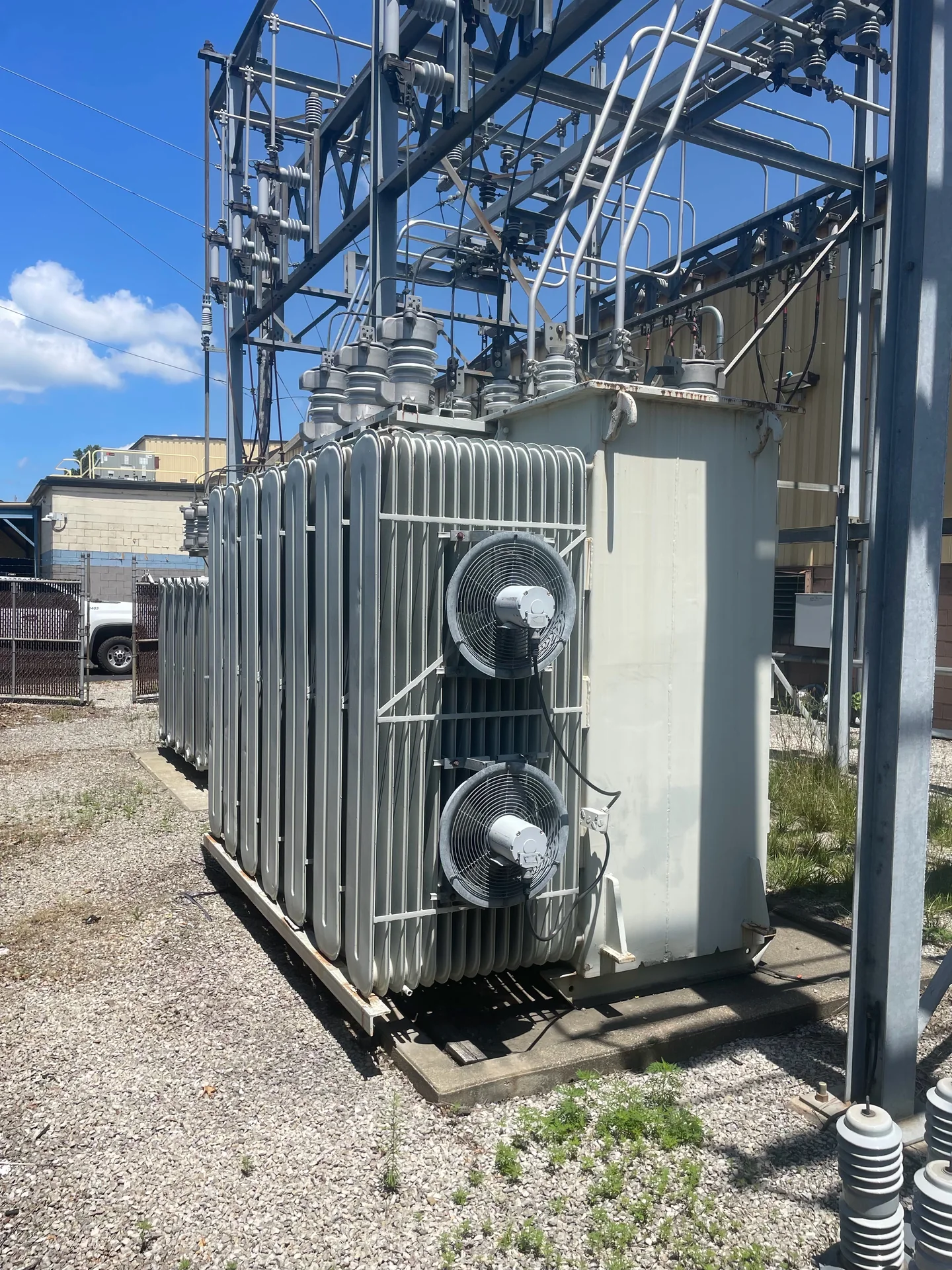
Areas We Buy From
This hub explains where and how we consider purchasing new, used, or surplus electrical transformers across the United States. It focuses on remote qualification, the logistical steps that vary by location, and the practical difference between coverage and having a local office. Use the state and city directory as a starting point for eligibility and next steps; specific offers depend on equipment details, site access, and current market demand.
Evaluation starts with facts
Share the manufacturer, rating, voltage, phase, condition, quantity, and location before discussing value or pickup.
How remote qualification works
Remote qualification begins with information you can provide without an on-site visit: clear photos of the nameplate and key components, a list of manufacturer and model data, nameplate kVA/MVA, primary and secondary voltages, phase, frequency, and any design identifiers (for example, pad-mounted, pole-mounted, substation, oil-filled, or dry-type). Condition notes and service or test records help. We evaluate this data to determine if a preliminary offer or inspection is appropriate; many purchases are finalized only after a physical inspection and agreed logistics.
images and documentation such as factory prints, tap-changer details, and recent dielectric or insulation test reports can shorten qualification timelines. When photos are unclear or nameplate information is missing, a third-party tester or a contractor can often capture the required details for you. Remote qualification is intended to filter viable candidates efficiently — it does not replace the on-site checks that confirm condition, safe disconnection, and load-out requirements.
- Submit readable nameplate photos showing kVA/MVA, voltages, phase and frequency.
- Include manufacturer, serial number, and design type (oil/dry, pad/pole/substation).
- Attach any available test or service records and the quantity and ownership details.
- Note site access, clearances, and typical loading/rigging limitations.
Coverage versus a local office: what the directory means
Listing a state or city in the directory indicates that we consider business from that area, not that we maintain a local office or in-house pickup crews there. Coverage reflects where we evaluate equipment and arrange logistics through partners. If a specific locale is listed, expect that offers and pickups are subject to local transport options, contractor availability, and applicable permits or regulations.
When you use the directory, treat entries as navigational — a way to find guidance and contact pathways. The practical outcome depends on the particular transformer and site. For some items in a listed area we can coordinate removal and transportation; for others we may recommend alternatives like auction, broker referral, recycler, or qualified disposal, depending on condition, environmental considerations, or prohibitive rigging and freight costs.
- Listed locations = considered for evaluation, not evidence of a nearby office.
- Offers depend on site-specific logistics, not only geography.
- Local permits, weight limits, and road access can change feasibility.
Location-dependent logistics and the factors we review
Logistics vary by distance to suitable freight carriers, the size and weight of each unit, and site access. Key technical factors that influence whether we can proceed include nameplate kVA/MVA, primary and secondary voltage, phase, frequency, design type, and manufacturer. Age, visible condition, quantity, and available test or service records directly affect perceived risk and marketability. These details contribute to how we estimate rigging, loading, transport, and final disposition costs.
Operational factors matter as much as technical ones. Ownership and title transfer clarity, timeline constraints, local rigging or crane requirements, loading dock availability, road or bridge weight limits, and current buyer demand for a specific transformer model all shape whether an offer is practical. We will outline which of these factors are uncertain and recommend qualified contractors to handle disconnection, testing, rigging, and transport under applicable codes and permits.
- Technical: nameplate data, manufacturer, kVA/MVA, voltages, phase, frequency, design type, test records.
- Operational: age, condition, quantity, ownership, site access, rigging and loading constraints.
- Logistics: freight distance, carrier specialty, permits, timeline, and current buyer demand.
How to use the state and city directory effectively
Start at the directory to find the guidance page for your state or city, which will explain regional considerations such as typical carrier availability and any common permitting or environmental constraints. Use the directory to prepare a submission with nameplate photos, the approximate dimensions and weight if known, and any test/service records. Be explicit about ownership and the timeline you need; that information helps us suggest feasible next steps or identify when an on-site inspection is necessary.
If your transformer is in a remote or restrictive location, note access restrictions and staging limitations immediately. The directory helps you target documentation and choose between options we can arrange and other pathways. If an item is unlikely to be purchased due to design, condition, or logistics, the directory pages often include recommended alternatives such as auctions, brokers, recyclers, or qualified disposal services.
- Use the directory as a documentation checklist and regional logistics guide.
- Provide complete nameplate photos and any relevant test records up front.
- Flag unusual access, tight timelines, or ownership questions early.
Practical guidance for cross-country coordination
Cross-country transactions require early alignment on carrier selection, insurance, and staging. Consolidating multiple units at a single pickup point can lower per-unit freight, but that adds staging time and local handling costs. When moving large units interstate, coordinate permits, route surveys, and any utility escorts where applicable. We can outline typical requirements and recommend qualified third-party carriers, but final scheduling and compliance must be handled by credentialed transport and rigging professionals.
Minimize surprises by supplying detailed dimensions, skid conditions, and a realistic timeline. If specialized carriers or heavy-haul permits are needed, expect added lead time and cost. For transcontinental moves, consider whether refurbishing or testing locally before shipment increases marketability and reduces return or handling costs. Clear owner authorization and an agreed transfer timeline keep the transaction moving smoothly.
- Consolidation can reduce freight per unit but may require staging charges.
- Large units may need route permits, escorts, or bridge surveys; plan lead time.
- Consider local testing or partial refurbishment to improve demand before shipment.
When we may decline and what to consider next
Not every transformer submitted will receive an offer. Reasons include missing or illegible nameplates, severe damage, environmental contamination, prohibitive rigging or freight costs, unclear ownership, or insufficient market demand for a specific make and design. When we cannot proceed, we will explain the constraining factors and, where appropriate, suggest alternatives such as auctioning the unit, contacting a specialty broker, using a certified recycler, or arranging qualified disposal through licensed contractors.
Choosing the best alternative depends on the limiting factor. Auctions or brokers can reach niche buyers for uncommon models; recyclers are appropriate when the unit has limited reuse value but recyclable materials remain; qualified disposal is necessary for contaminated or non-repairable units. In all cases, disconnection, fluid handling, testing, and transport should be performed by qualified professionals in accordance with applicable regulations and standards.
- Common decline reasons: missing nameplate, contamination, damage, or uneconomic logistics.
- Alternatives: auction, broker, recycler, or licensed disposal contractor depending on condition.
- Always engage qualified professionals for disconnection, fluid handling, and transport.
Explore the directory
Every route has a way back.
Common questions
Practical answers before you call
One clear next step