How Much Are Used Electrical Transformers Worth? A Seller’s Guide
If you’re asking “How much are used electrical transformers worth?” the short answer is: it depends. Resale value is a function of technical specifications, physical condition, documentation, logistics and what buyers are looking for today. There isn’t a single market price because many transformers are evaluated on a case-by-case basis. This guide explains the core factors buyers review, defines key technical terms in plain English, and outlines practical next steps to get a reliable appraisal or sale.
Evaluation starts with facts
Share the manufacturer, rating, voltage, phase, condition, quantity, and location before discussing value or pickup.
1. Identify the unit: nameplate data and basic definitions
The first step in estimating value is identifying the transformer using its nameplate. The nameplate lists the kVA or MVA rating, primary and secondary voltages, phase (single- or three-phase), frequency (60 Hz, 50 Hz), manufacturer, model number and serial number. These fields tell a buyer whether the unit matches common applications and replacement needs.
Plain-language definitions: kVA/MVA = the transformer’s power capacity; primary/secondary voltage = the input and output voltages; phase = power configuration used in buildings or facilities; design type = dry-type, oil-filled, pad-mounted, or substation unit. Clear photos of the nameplate or a typed transcription dramatically speed evaluation.
- Essential nameplate fields to capture: kVA/MVA, primary/secondary voltage, phase, frequency, manufacturer, model/serial.
- If the nameplate is missing, provide multiple photos of the whole unit, bushings, terminals and any tags or stamping.
2. Condition, age and service history
Condition and documented history are major value drivers. Buyers prefer equipment with readable nameplates, intact enclosures, no evidence of catastrophic damage and, ideally, recent test or maintenance records. Age alone isn’t a disqualifier, but older units without records or with corrosion, damaged bushings or missing components require more inspection and may receive lower interest.
Testing and service records—such as insulation resistance, turns-ratio, dissolved gas analysis for oil-filled units, or maintenance logs—reduce uncertainty. When records are unavailable, honest descriptions of how and why the transformer was removed (upgrade, failure, decommission) help buyers determine whether an inspection or a site visit is needed.
3. Size, manufacturer and current market demand
Size (kVA/MVA), voltage class and manufacturer affect which buyers will be interested. A common commercial configuration used in retail or light industrial settings will attract different buyers than a high-voltage substation transformer. Well-known manufacturers may be easier to market, but brand alone doesn’t guarantee interest—the specific rating and voltage matter most.
Market demand fluctuates with project activity, regional fleet requirements and inventory available to buyers and resellers. Because demand changes, the same transformer could be easier or harder to sell depending on current buyer needs. That’s why a reviewed offer based on actual specs is more useful than a generic online estimate.
4. Logistics and costs buyers consider
Buyers always factor the practical costs of removal, rigging, loading and freight into any offer. Location and site access (gate height, overhead obstructions, proximity to a loading zone), whether the unit is pad- or pole-mounted, and availability of lifting points or a forklift affect the time and equipment needed. Remote or restricted sites typically reduce net offers because contractors and carriers add labor and equipment costs.
Timeline matters too: urgent removal requests or coordination with demolition schedules can increase handling costs. For safety and compliance, energization/disconnection, testing, fluid handling and rigging should be performed by qualified professionals following applicable regulations; buyers will assume those steps are handled before transport or will deduct estimated costs if not.
- Logistics factors buyers review: site access, weight and dimensions, mounting type (pad, pole, indoor), need for oil draining or neutralization, and transport distance.
- Quantity impacts logistics: one unit may be moved with a single truck; multiple units or large transformers often require specialized carriers and permits.
5. Selling options and how they differ
There are several commercially typical routes: selling directly to a buyer/reseller, using a broker, listing in an auction, recycling for scrap, or arranging qualified disposal when the unit has no resale value. A direct buyer or reseller may offer an inspection-based price if the transformer matches their demand. Brokers can reach multiple buyers but charge a fee. Auctions can be effective for unusual or large lots but involve seller fees and variable outcomes.
Recycling or disposal becomes relevant when units are damaged, contain contaminated fluids, or lack documentation and identification. If legal or environmental concerns exist—such as PCB history or unknown fluid contents—work with qualified environmental services or recyclers who follow regulations rather than attempting DIY disposal.
6. How to prepare and what to expect next
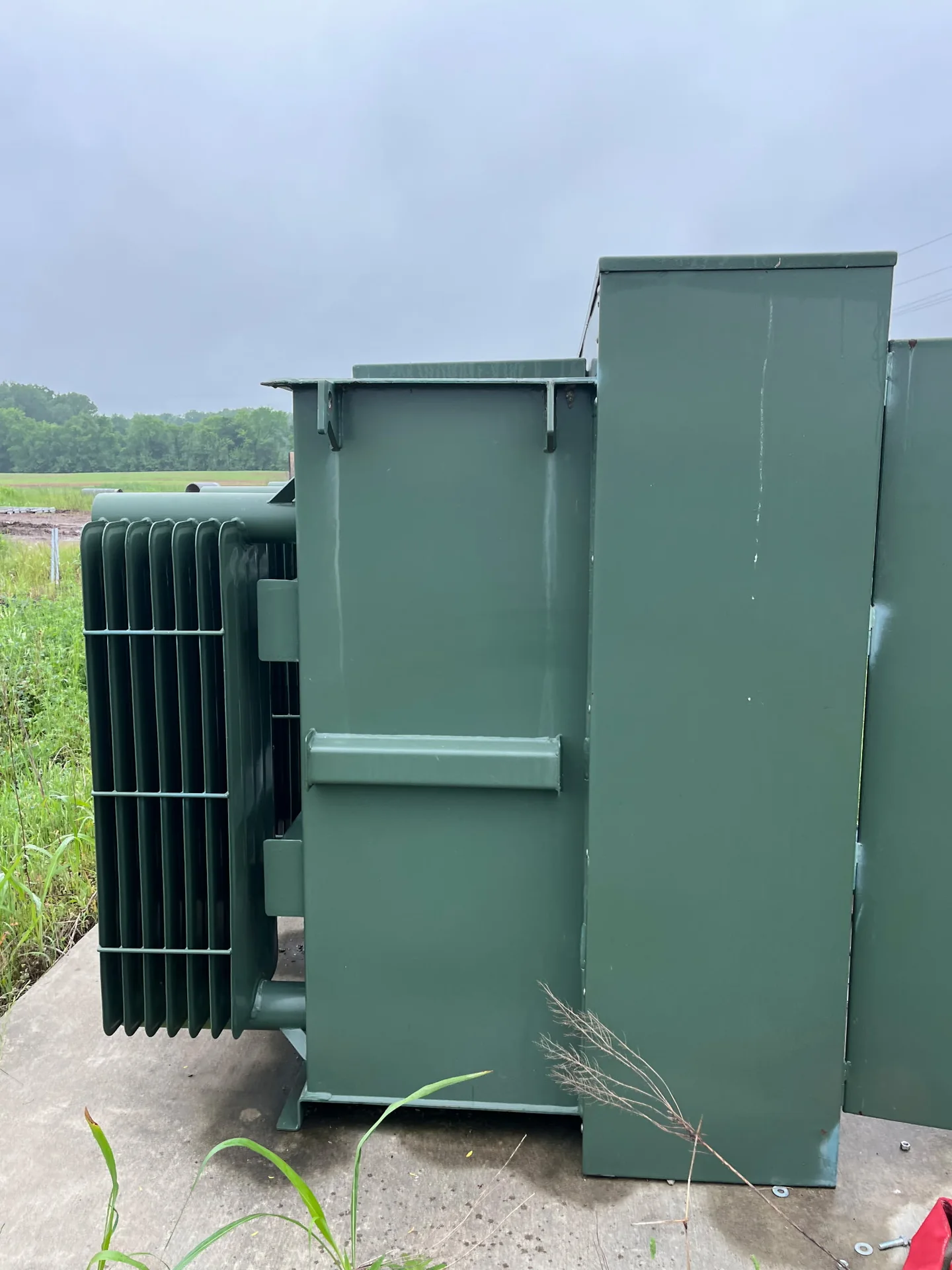
To get a meaningful review, assemble clear photos (overall unit, nameplate, bushings, labels), a list of known specs and removal history, quantity and the site location details relevant to access. Be candid about unknowns; honest disclosure prevents wasted time. When you contact buyers or brokers, expect a preliminary review based on your information and a possible site inspection or request for testing records before a firm offer.
If a direct offer isn’t made, alternatives include listing with a broker, using an industrial auction, or recycling. Any removal, testing, or transport should be performed by qualified personnel under applicable safety and environmental rules. Preparing information upfront shortens timelines and helps buyers respond with clearer guidance.
Common questions
Practical answers before you call
One clear next step