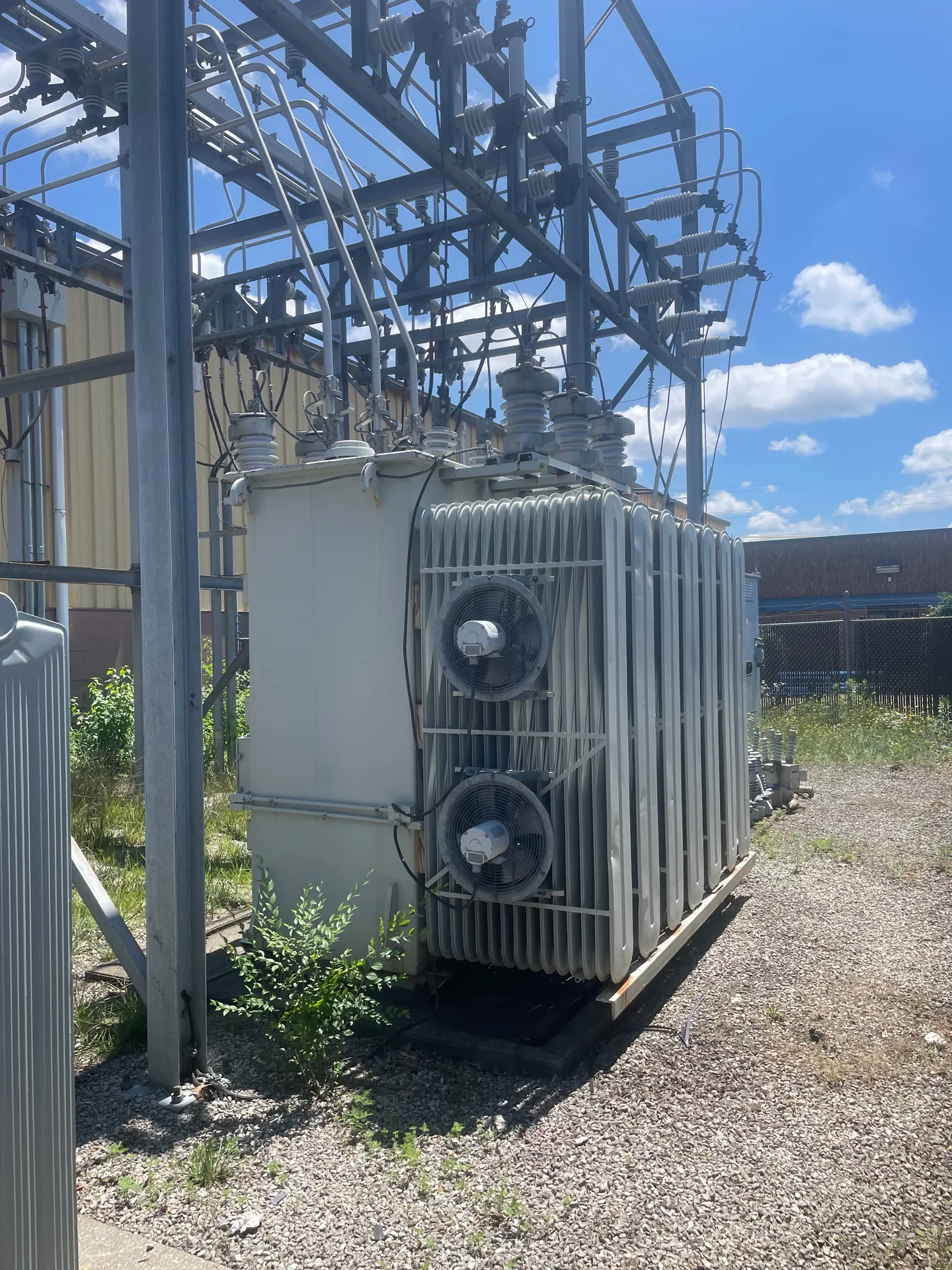
Who Buys Electrical Transformers Nationwide?
If you’re asking “Who buys electrical transformers nationwide?” the practical answer is: specialized equipment buyers and electrical surplus purchasers who can evaluate technical specs, condition, quantity and logistics rather than a general scrap or classifieds outlet. A focused buyer will want clear nameplate data, photos, access notes and a timeline so they can decide whether the asset fits current demand and transport constraints. This page explains how to tell buyers apart, what information speeds a review, and what to expect next.
Evaluation starts with facts
Share the manufacturer, rating, voltage, phase, condition, quantity, and location before discussing value or pickup.
Buyer types and how they differ
Not every party that says “we buy transformers” works the same way. Auction houses list assets for competitive sale and shift marketing risk to the seller; brokers connect sellers to buyers for a fee or commission; recyclers and scrap yards typically value equipment for material content and disposal; direct electrical-equipment buyers focus on reuse, resale or refurbishment value. Distinguish them by asking whether the buyer evaluates nameplate data, offers a written valuation basis, and considers logistics and testing in their price.
Choosing the right route depends on your priorities. If you need quick disposal of nonworking units, a recycler or scrap yard may be appropriate. If you have intact units with readable nameplates, a direct electrical buyer or broker who understands transformer specifications will often produce more targeted interest. Auctions can work when multiple buyers can inspect on site or bid remotely, but auction timing and fees affect net proceeds.
- Auction: competitive sale, timing and fees matter
- Broker: matches buyers and sellers, may charge commission
- Recycler/Scrap yard: material value and disposal focus
- Direct transformer buyer: evaluates specs, condition, demand, and logistics
What serious buyers ask for first
A nationwide buyer starts with documentation that proves the transformer’s specifications and access. Key nameplate and site details allow remote qualification before committing to onsite work. Provide clear, close-up photos of the nameplate and several full-view images showing enclosure, bushings, pads and any visible damage. Describe whether the unit is installed, disconnected, or already removed and where it is stored.
Typical information that speeds a review includes manufacturer and model, kVA/MVA rating, primary and secondary voltages, phase and frequency, design type (dry, oil-filled, pad-mounted, etc.), age, reported condition, and any test or service records. Also report quantity, proof of ownership, exact location, access constraints, and desired timeline. Buyers use these inputs to estimate market interest and logistics costs.
- Nameplate data: manufacturer, serial/model, kVA, voltages, phase, frequency
- Design and condition: dry vs oil, enclosure, visible damage, age
- Supporting info: test records, service history, quantity, ownership proof
- Logistics: installed or removed, access, rigging needs, truck/freight constraints
How buyers value transformers
Valuation is a combination of technical suitability for reuse and the practical cost to remove, handle, and transport. Buyers weigh the nameplate specs (kVA, voltages, phase, impedance), manufacturer and model desirability, age and condition, and whether the unit has recent test or service records. Market demand for that specific class of transformer and the number of available units in a buying cycle also influence the offer.
Logistics strongly affect net value when the asset is remote, hard to access, or requires heavy rigging. A unit that’s easily forked onto a truck from a pad or warehouse will command a different bid than a transformer buried in an equipment room that needs crane access. Buyers typically subtract removal, certification, freight and any environmental handling costs from an estimated resale/refurbish value.
- Technical fit: kVA/MVA, voltages, phase, manufacturer
- Condition and records: age, damage, testing/service history
- Quantity and timing: single unit vs lot, current buyer demand
- Logistics costs: rigging, loading, freight, environmental handling
Buyer due diligence and typical documents
Before finalizing a purchase, a qualified buyer performs due diligence that may include remote review of photos and records, requests for additional tests, and confirmation of ownership and removal permissions. Expect questions about title, lien status, utility disconnect confirmation, and any environmental disclosures for oil-filled units. Buyers competent with electrical equipment will ask for test reports when available and may require a signed transfer or bill of sale.
Transaction documents generally cover the agreed price, what is included (e.g., bushings, cooling equipment), timelines for removal, insurance expectations during removal, and who pays for which transport and handling tasks. A clear, signed agreement reduces misunderstandings; both parties should verify identity and, where relevant, consult their legal or procurement contacts before signing.
- Common requests: ownership proof, title/lien disclosures, test records
- Typical paperwork: purchase agreement or bill of sale, removal timeline, responsibilities
- Insurance and risk: who carries liability during removal/transport
- Environmental notes: disclosures for oil-filled transformers and fluids
Pickup, rigging and transport planning
Logistics planning is a major part of any nationwide sale. Buyers will estimate rigging, loading, and freight early in the conversation and may coordinate third-party riggers or freight brokers. Important site details include site access for trucks, overhead or clearance limits, door sizes, whether a crane or forklift is required, and any required permits or utility shutdowns. These factors shape schedule, cost and feasibility.
Sellers should not attempt electrical disconnection, testing, or fluid handling without qualified professionals. Provide accurate access photos and describe any site restrictions, working hours, or security procedures. Clarify whether the buyer is expected to arrange rigging and freight or whether you prefer to handle contractors and receive a net price for the equipment alone.
- Share access photos: driveways, gates, loading docks, clearances
- Identify rigging needs: crane, forklift, lift gate, special trailers
- Specify timeline constraints and site rules
- Agree in advance who arranges and pays for removal and freight
Red flags and alternatives
Watch for warning signs: vague valuation methods that ignore nameplate data, buyers unwilling to confirm proof of funds or legal purchase steps, requests to remove equipment before any written agreement, or offers that avoid environmental disclosures for oil-filled units. Also be cautious if the buyer declines to discuss logistics or claims unrealistic timelines without site information.
Not every transformer will receive a direct purchase offer. If a direct buyer isn’t interested, consider alternatives: list on an auction platform that accepts large industrial assets, consult a broker who specializes in electrical equipment, or contact a recycler if the unit is damaged beyond reuse. Always choose disposal or recycling partners who follow applicable environmental and safety requirements.
- Red flags: offers without technical review, no paperwork, pressure to remove early
- Alternatives: auction, specialist broker, certified recycler/disposal
- When in doubt: obtain multiple opinions and document communications
- Safety reminder: use qualified professionals for de-energization, rigging and fluid handling
Common questions
Practical answers before you call
One clear next step