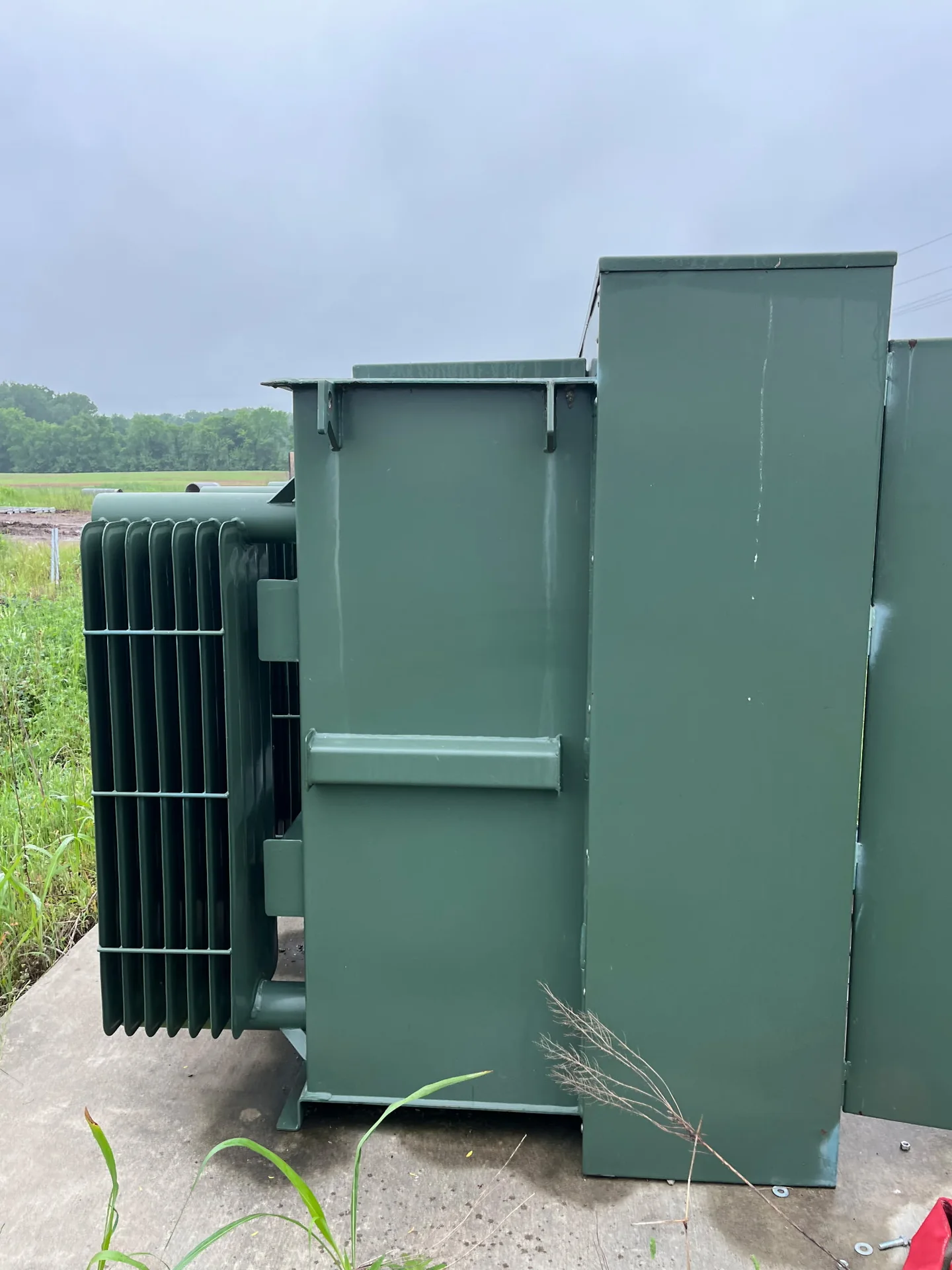
How to Sell a Pad-Mounted Transformer
This guide explains what information and documentation buyers typically require when evaluating a pad-mounted transformer, how condition and logistics influence market interest, and practical next steps you can take to get informed offers. It’s written for contractors, facilities staff, utilities, manufacturers, demolition teams, and equipment resellers who need to decide whether to market, broker, auction, or responsibly dispose of a pad-mounted unit. Read on to learn which details matter and why.
Evaluation starts with facts
Share the manufacturer, rating, voltage, phase, condition, quantity, and location before discussing value or pickup.
Start with the nameplate and basic technical facts
A buyer’s first questions usually come from the transformer nameplate. The nameplate lists manufacturer, kVA rating, primary and secondary voltages, phase (single or three‑phase), frequency (typically 50 or 60 Hz), and design type (pad‑mounted, pole‑mounted, dry‑type, or liquid‑filled). These items establish whether a unit fits a buyer’s needs. Define kVA as the apparent power capacity; voltage ratings show how the unit was intended to be connected. Having clear photos of the nameplate speeds evaluation.
Also note vector group or polarity, tap changer type and range (if present), cooling class, and enclosure ratings. For liquid‑filled units, the dielectric fluid type and whether it is PCB‑free are relevant. If any nameplate data is missing or illegible, list as such and include any factory documentation you have. Buyers use this technical baseline to screen units before considering condition, logistics, or price.
- Key nameplate items: manufacturer, kVA, primary/secondary voltages, phase, frequency, design type
- Additional useful details: tap changer specs, cooling class, vector group, enclosure rating
- Fluid info: oil type, PCB status, and fill volume (if known)
Assess age, condition, and service history
Age matters but is not the only condition indicator. Buyers want to know evidence of life‑cycle maintenance and how a unit performed. Provide dates of manufacture, major repairs, and any known failures. Describe external condition (corrosion, enclosure damage, signs of leak) and internal condition when safe and available through qualified inspection. Photographs from multiple angles help convey condition without exposing personnel to hazards.
Documented test and service records significantly increase buyer confidence. Common records include dielectric oil tests, transformer turns ratio (TTR) tests, insulation resistance (megger) tests, sweep frequency response (SFRA) reports, and recent load or fault history if available. If records are not available, state that clearly; many buyers will either request a site inspection or exclude the unit from further consideration.
- Useful tests: TTR, insulation resistance, oil dielectric and PCB screening, SFRA
- What to document: repair invoices, outage reports, and any load history
- If no records exist: disclose the absence and expect buyers to request an inspection
Consider ownership, title, and site access
Confirm ownership and any encumbrances before soliciting offers. Buyers need assurance they will receive clear title or a transfer of ownership consistent with applicable rules. If multiple parties share ownership or if the unit sits on leased land, disclose that status early. Unclear title can halt a transaction or reduce buyer interest.
Site logistics influence whether a buyer will make an offer and how much they will discount for removal risk. Describe the transformer’s location, how it’s mounted, clearance around the pad, nearest road access, and any weight or access restrictions. If the unit contains liquid dielectric, note containment features and any known environmental constraints. Buyers will plan rigging and freight around these factors and often require a site visit.
- Ownership: title, lien status, and permission to remove
- Access checklist: pad condition, clearance, road width, overhead obstacles, staging area
- Environmental notes: presence of oil, spill containment, and local permitting
Logistics: rigging, loading, and transportation
Rigging and transport are handled by qualified crews under applicable regulations. Provide clear information about weight, center of gravity if known, and whether the unit must be de‑energized or disconnected before removal. Buyers and their contractors will estimate costs for rigging equipment, cranes or forklifts, and required permits. A restrictive site can add days or increase removal cost materially.
If the transformer needs oil draining, decommissioning, or waste handling, note that separately. Environmental handling and fluid transport typically require licensed contractors and manifesting in many jurisdictions. Do not attempt these tasks unless you have qualified personnel; instead, disclose the work that must be performed so buyers can include those costs in their offers or propose alternative removal arrangements.
- Typical rigging concerns: unit weight, lifting points, and on‑site clearance
- Transport factors: distance to nearest freight route, special hauling permits, and destination requirements
- Environmental handling: oil draining, testing, and disposal by licensed contractors
How market factors and quantity affect demand
Current buyer demand varies by design, rating, and scarcity. Common, standard‑spec pad‑mounted transformers are easier to remarket than rare voltages or obsolete designs. Quantity matters: a single unit may attract local recyclers or buyers willing to incur transport costs, while batches can interest larger resellers or distributors. Explain how unique specifications and high quantities can improve marketability.
Be realistic: not every transformer will receive a purchase offer. Some units are better suited for auction, brokered sale, or recycling for scrap and material recovery. When specialized buyers are scarce, prepared sellers may explore auctions or brokers who can reach wider markets. If a unit presents safety or environmental liabilities, qualified disposal might be the responsible route.
- Higher demand: common voltages, intact enclosures, documented history
- Lower demand: obsolete voltages, internal damage, missing documentation
- Alternatives: direct sale, broker, auction, materials recycler, or qualified disposal
Preparing to solicit offers and safe next steps
Gather the core information buyers will ask for: clear nameplate photos, overall condition photos, documented test and service records, accurate location and access notes, and ownership/title details. Prepare a concise summary listing nameplate data, known deficiencies, and any time constraints for removal. The better the initial package, the faster a buyer can determine interest and quote removal costs.
When you receive inquiries, expect buyers to request a site visit or third‑party inspection. Work with qualified electrical and rigging professionals to perform any required disconnection, testing, or fluid handling under applicable regulations. If you’re uncertain which route to take, reach out to multiple buyer types—resellers, brokers, and recyclers—to compare interest and options before committing to a single path.
- Documents and items to assemble: nameplate photos, test reports, repair records, ownership proof, and site access photos
- Prepare for: potential site surveys, removal scheduling, and contractor coordination
- If unsure: solicit multiple informal expressions of interest to understand market options
Explore the directory
Every route has a way back.
Common questions
Practical answers before you call
One clear next step