How to Sell Used Transformers: A Practical Seller’s Guide
If you need to sell a used transformer, the best route depends on the unit’s specifications, condition, and your timeline. This guide lays out a decision framework so you can quickly determine whether to pursue a buyer, auction, broker, or recycler. It explains the technical and commercial items buyers use to value transformers—nameplate data, kVA, voltage, phase, design type, and service history—and helps you take a safe next step without making assumptions about value.
Evaluation starts with facts
Share the manufacturer, rating, voltage, phase, condition, quantity, and location before discussing value or pickup.
Start with a clear decision framework
A practical first question is whether the transformer might be reused as equipment or is only viable for material recovery. Reusable units will be evaluated on specifications and condition; scrap-only units are assessed by material content and handling costs. Decide whether you need to clear space quickly, can wait for a targeted buyer, or must comply with a demolition or renovation timeline. That decision narrows your selling routes and guides how much documentation and preparation are worthwhile.
bullets
- Need-fast removal vs. time-to-market flexibility
- Single unit vs. quantity/lot sales
- Working/untested vs. visibly damaged or stripped
Collect the technical and ownership information buyers rely on
Buyers price transformers by technical match and condition. Gather readable nameplate data (manufacturer, kVA/MVA rating, primary and secondary voltages, phase, frequency, vector group or design type), any model or serial numbers, and the unit’s weight or dimensions if known. Also document ownership and title, removal history, and whether the transformer was energized at the time of removal. Complete, accurate facts speed review and reduce guesswork that leads to low or no offers.
bullets
- Nameplate items: manufacturer, kVA, voltages, phase, frequency
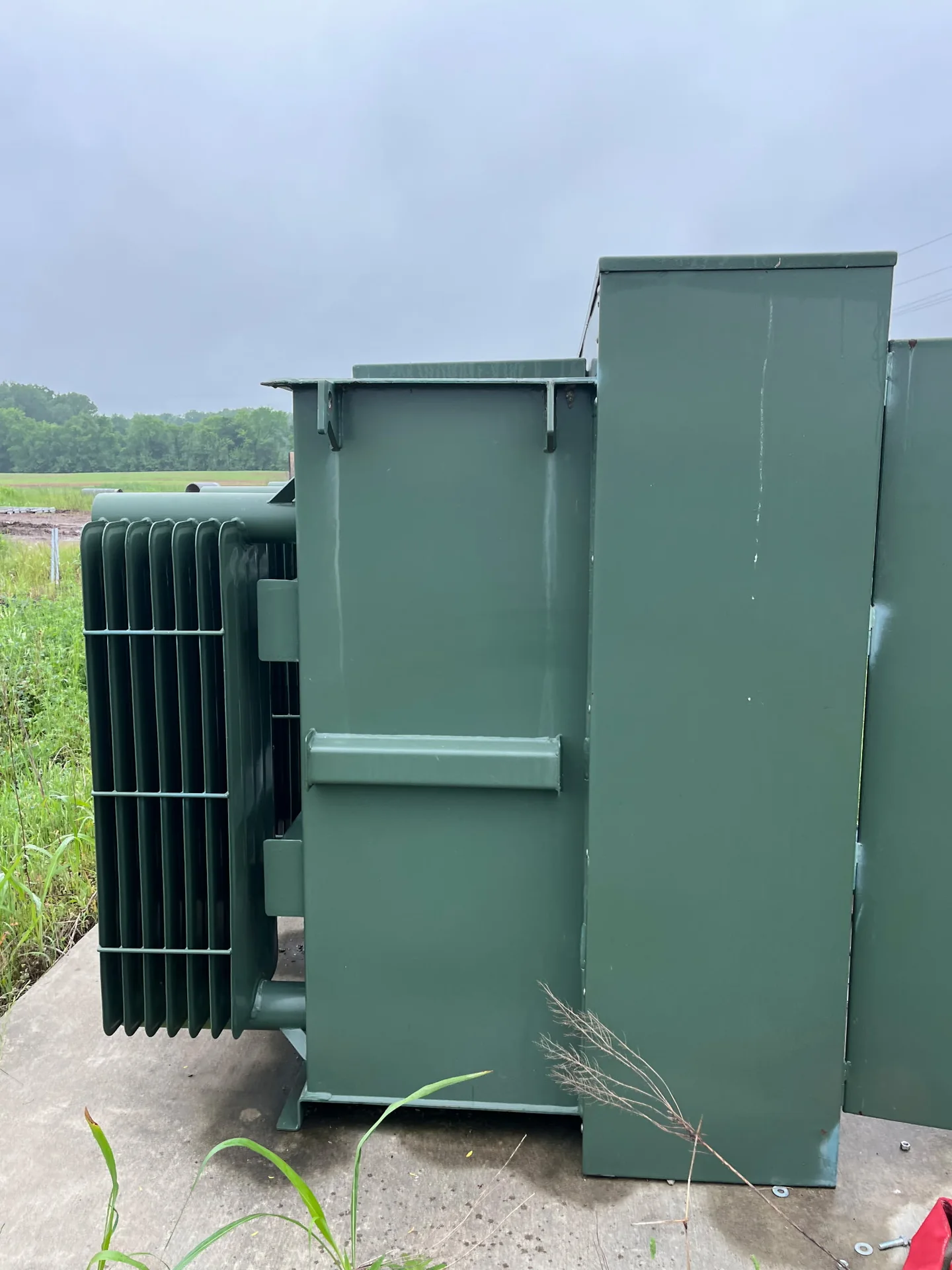
- Design info: dry-type vs. oil-filled, pad-mounted vs. indoor
- Administrative: quantity, ownership, and removal history
Record condition and service history honestly
Condition matters as much as specifications. Note visible corrosion, oil leaks, damaged bushings, or missing parts. If you have test or service records—megger tests, turns-ratio, oil dielectric tests, or maintenance logs—include them. Working, tested units with documentation are more marketable than untested or heavily corroded equipment. Be clear whether a unit is untested; many buyers will factor inspection or refurbishment costs into any offer.
bullets
- Visible condition: rust, dents, leaks, missing hardware
- Testing: available test reports or date of last service
- Operational status: removed while energized, decommissioned, or unknown
Choose the right selling route for your situation
Common routes include direct buyers that specialize in electrical equipment, industrial auctions, brokers, and scrap recyclers. A direct transformer buyer can give focused feedback based on specifications and condition; an auction may reach a wider collector base but can take time and cost fees; a broker helps with marketing but charges commissions; a recycler is appropriate when a unit is badly damaged or stripped. Match the route to your goals: highest possible resale value, speed of removal, or straightforward disposal.
bullets
- Direct buyer: targeted, specification-focused review
- Auction: broader exposure, potential for variable results
- Broker: marketing and transaction management for a fee
- Recycler/disposal: material recovery when equipment value is low
Plan logistics and safety without doing the work yourself
Location, site access, and rigging influence whether a buyer will make an offer and what they include for removal. Buyers factor in lift capacity, truck access, any required permits, and handling of fluids. Do not attempt electrical disconnection, fluid handling, lifting, or transport unless you are a qualified professional; these tasks must follow applicable safety, environmental, and regulatory rules. Provide clear access notes so potential buyers can estimate rigging, loading, and freight costs realistically.
bullets
- Site notes: indoor vs. pad-mounted, obstructions, floor load limits
- Lifting needs: crane, forklift, or rigging equipment required
- Transport: nearest truck staging area, road access, permits
Understand how buyer demand and quantity affect value
Current buyer demand varies by manufacturer, voltages, kVA ranges, and design types. Common commercial distribution sizes and widely used brands generally have broader markets; unusual voltages, niche industrial designs, or obsolete models may attract fewer buyers. Quantity matters: multiple similar units can be sold together as a lot and may draw interest from resellers, while a single odd-size transformer can be harder to place. Be realistic: not every transformer will receive an offer.
bullets
- High-demand attributes: common kVA ranges, standard voltages, known brands
- Low-demand attributes: custom or obsolete voltages, severely degraded units
- Quantity advantage: lots can be more attractive than single units
Take a safe, practical next step
If you want to explore value, assemble nameplate photos, condition images from multiple angles, and any test/service documents, and provide accurate site-access notes. Share quantity and a realistic timeline for removal. Contact a specialized buyer, auction house, or broker to request a written review or preliminary estimate. If a unit contains oil or other regulated materials, notify prospective purchasers and engage qualified professionals for handling and transport to meet environmental and safety requirements.
bullets
- Prepare: multiple clear photos, readable nameplate, test records
- Describe: quantity, ownership, location, and removal timeline
- Engage: qualified professionals for disconnection, testing, and transport
Common questions
Practical answers before you call
One clear next step