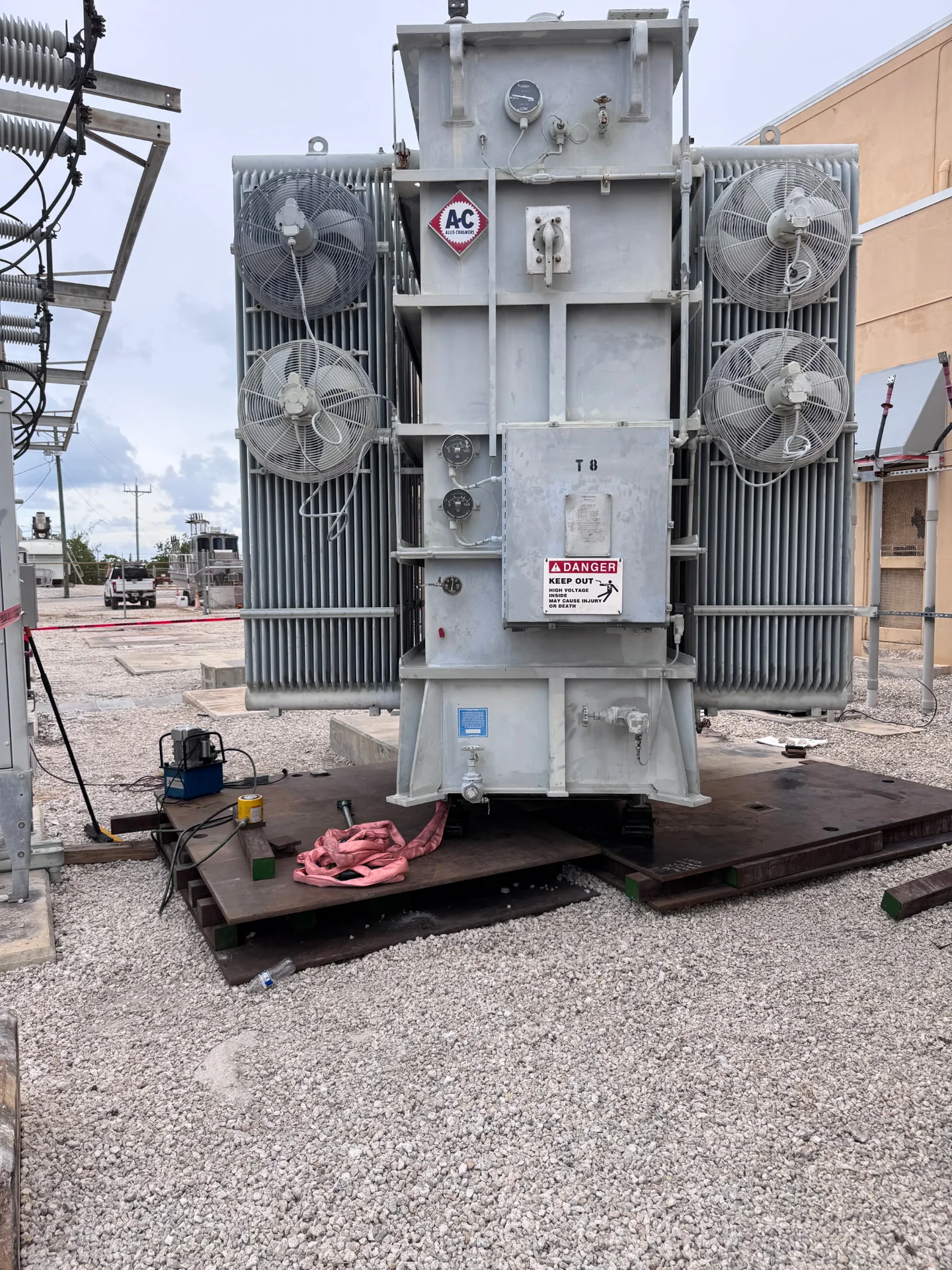
Who Buys Oil-Filled Electrical Transformers?
Who buys oil-filled electrical transformers? Typical buyers include direct electrical surplus buyers and equipment resellers, utilities or industrial manufacturers that repurpose units, and sometimes brokers or auction houses that match sellers with end users. Recycling yards and scrap processors buy only when the equipment lacks reuse value. Which route fits your situation depends on nameplate data, condition, quantity, access, and current demand — and not every transformer will receive a purchase offer.
Evaluation starts with facts
Share the manufacturer, rating, voltage, phase, condition, quantity, and location before discussing value or pickup.
Buyer types and how they differ
Direct buyers and equipment resellers look for units with clear identification and reuse potential. They evaluate transformers for refurbishing, resale, or internal use and will typically request nameplate data and condition photos before making an offer. Utilities or manufacturers sometimes buy specific makes or ratings to support repairs or spare inventories — these buyers are selective about specifications and documentation.
Brokers and auction houses act as intermediaries and can widen exposure when you lack time to market units yourself; they charge fees or commissions and may be preferable for unusual or rare transformers. Recyclers and scrapyards focus on metal and oil value; they may accept units with no reuse potential but will factor removal, transport, and disposal costs into any offer.
- Direct buyers/resellers — prefer identifiable, serviceable units; may inspect documentation.
- Utilities/manufacturers — selective; buy for spares or specific projects.
- Brokers/auctions — broader marketplace exposure; involve fees/commissions.
- Recyclers/scrap yards — accept low-value or damaged units for material recovery.
What buyers need to qualify a transformer
Buyers first look for clear nameplate data: manufacturer, model/serial numbers, kVA or MVA rating, primary and secondary voltages, phase, frequency, impedance, and design type (e.g., pad-mounted, tank-cooled). Age and visible condition matter, as do enclosure type and any signs of damage. Test or service records — oil analysis, insulation testing, or recent service history — significantly improve confidence and interest.
Logistics and ownership details are also essential. Buyers will ask how many units are available, whether the unit is still installed or already disconnected, who owns the equipment, its exact location, site access, and any restrictions that affect removal. Clear, high-resolution photos of the nameplate and multiple elevations accelerate evaluation; when nameplates are unreadable, documentation or serial searches may be required.
- Nameplate data: manufacturer, kVA/MVA, voltages, phase, frequency, model/serial.
- Condition and history: age, damage, oil and insulation tests, service records.
- Logistics: quantity, ownership, installed vs. removed, access and site constraints.
Oil-filled transformer information to prepare before outreach
Oil-filled units require a more careful review because technical condition, fluid history, and logistics can materially affect whether reuse is feasible. Prepare clear nameplate and overall photographs, disclose leaks or staining, and collect available oil analysis, dissolved-gas analysis, maintenance, or test records before asking a buyer to evaluate the unit.
Fluid presence does not automatically rule out a commercial review, but it does require accurate disclosure and qualified handling. Environmental, transport, rigging, de-energization, and testing work must be planned by appropriately qualified parties under applicable requirements.
- Provide nameplate, full-unit, radiator, bushing, tank, and visible-condition photographs
- Disclose known oil type, leak history, testing, maintenance, contamination concerns, or missing records
- State whether the unit is installed, de-energized, removed, stored, accessible, or subject to site restrictions
- Share available quantity, ownership documentation, location, removal timeline, and qualified site-contact details
How buyers determine value and conduct due diligence
Valuation combines technical specs and practical costs. Key inputs include the nameplate ratings and brand, physical condition, service and test history, oil condition or contamination status, and the number of units available. Buyers subtract expected removal, rigging, transport, and any required remediation from a reuse value to form an offer. Market demand for particular ratings or brands also affects price and whether an offer is made at all.
Due diligence ranges from a remote review of photos and records to an on-site inspection. Typical checks are nameplate verification, review of test reports or oil analyses, and assessment of removal complexity. If contamination (for example, legacy PCBs) is suspected or proven, many buyers will decline and advise qualified disposal. Buyers will disclose the scope of their inspection requirements before committing to a purchase.
- Value drivers: kVA/MVA, voltages, brand, condition, test history, quantity, market demand.
- Cost adjustments: rigging, loading, freight, permits, and remediation lower net offers.
- Due diligence: document review, photos, and sometimes site inspection or testing.
Transaction documents and responsibilities
A sale typically uses standard commercial documents: an offer or letter of intent outlining the purchase terms, a purchase agreement or bill of sale transferring ownership, and documentation of site access and removal authorization. Buyers often require proof that the seller has title or authority to sell. Payment terms, insurance obligations during removal, and any environmental indemnities are negotiated up front.
Sellers should be prepared to provide clear title, site access windows, and any available maintenance or test records. Removal permits, utility coordination, and any required environmental handling must be planned with qualified professionals. Neither energization, disconnection, fluid handling, nor rigging should be attempted unless performed by appropriately qualified parties in compliance with applicable regulations.
- Common documents: offer/LOI, purchase agreement or bill of sale, proof of ownership.
- Seller responsibilities: clear title, access, available records, coordination for removal.
- Include qualified contractors for disconnection, oil handling, rigging, and transport.
Pickup planning, logistics, and cost impact
Site access, lift requirements, and transport logistics often determine whether a sale proceeds. Pad-mounted transformers, units on rooftops, or equipment behind security fences require cranes, trucking with escorts, or special permits — each adds cost. Buyers will estimate rigging and freight during valuation and may adjust offers accordingly. Providing accurate site photos, access dimensions, and information about nearby obstacles helps buyers produce realistic offers.
Plan removal with experienced rigging and transport contractors and confirm required permits, route restrictions, and insurance. If the seller arranges removal, set clear expectations in writing about timing and responsibilities. If the buyer arranges removal, document who handles permits and remediation. In either case, be realistic: complex pickups can eliminate reuse value once removal and freight are considered.
- Logistics drivers: pad mounting, rooftop location, clearances, crane or forklift needs.
- Costs that reduce offers: rigging, loading, trucking, permits, escorts, and storage.
- Provide site layout and photos early to avoid surprises during planning.
Warning signs and reasonable alternatives
Red flags for buyers include missing or unreadable nameplates, visible oil leaks or staining, heavy corrosion, damaged bushings, unclear ownership, inaccessible location, or suspected PCB contamination without documentation. These issues often reduce reuse value or remove the unit from consideration. Be upfront about such conditions; transparency speeds evaluation and prevents delays during removal or transfer.
If a direct buyer passes, consider alternatives: an auction or broker can broaden exposure but involves fees; a recycler or scrap yard may accept units that have no reuse value; or a licensed disposal contractor can handle environmentally sensitive equipment. Choose the path that fits the unit’s condition, documentation, and legal/environmental constraints. Qualified professionals should always handle disconnection, testing, fluid handling, rigging, and disposal in accordance with applicable requirements.
- Common red flags: missing nameplate, leaks, corrosion, damaged bushings, suspected contamination.
- Alternatives: broker/auction for wider exposure, recycler for material recovery, licensed disposal for contaminated units.
- Always use qualified contractors for electrical isolation, oil handling, rigging, and transport.
Common questions
Practical answers before you call
Nationwide service areas
Find a transformer buyer in your state
Open the state guide that matches the equipment location to review the information that helps a commercial transformer purchase review move forward.
One clear next step