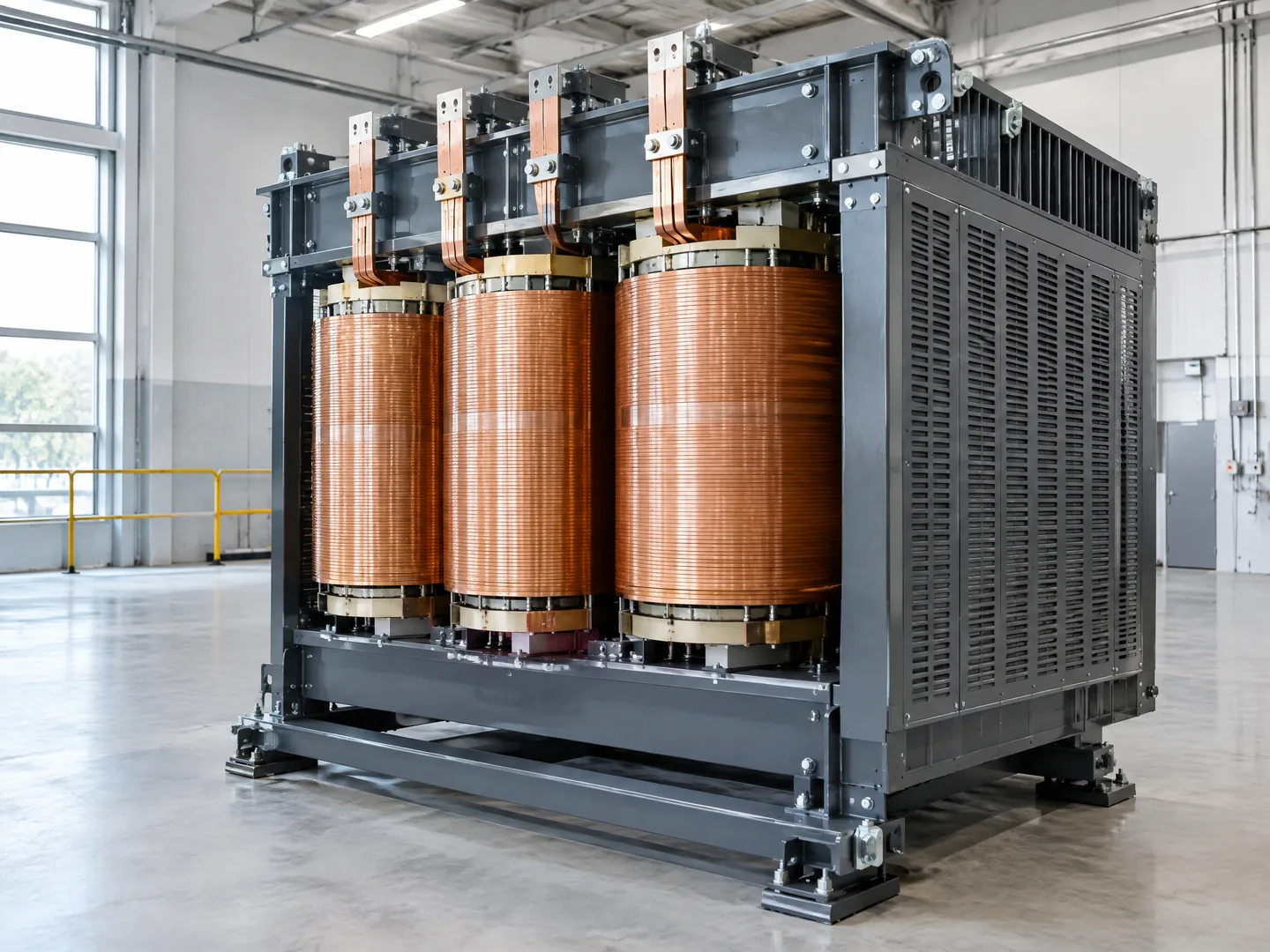
Who Buys Dry‑Type Electrical Transformers?
Quick answer: dry‑type transformers are typically bought by direct electrical surplus buyers, equipment resellers, industrial asset purchasers, some electrical contractors, and specialty recyclers that handle electrical equipment. They differ from auctions, brokers, and scrap yards by how they value nameplate data, condition, quantity, and logistics. Not every unit will receive a purchase offer; value depends on specifications, condition, documentation, and current demand.
Evaluation starts with facts
Share the manufacturer, rating, voltage, phase, condition, quantity, and location before discussing value or pickup.
Who the buyers are — and how they differ
Direct surplus buyers and equipment resellers look for reusable assets they can inspect, re‑test if needed, and resell into industrial, commercial, or retrofit markets. Electrical contractors or facilities buyers may purchase units to reuse on projects. Specialty recyclers and scrap yards will buy for metal and component salvage when reuse isn’t viable. Brokers and auctions can connect sellers to multiple buyers but add intermediated timelines and fees.
Understanding these roles helps set expectations. A reseller or direct buyer will often ask detailed nameplate and condition questions before making an offer. A recycler or scrap yard may provide quicker removal quotes but base price largely on salvage value. Brokers and auctions can reach more buyers, useful for niche or larger lots, but a sale is not guaranteed and timelines vary.
- Direct buyer/reseller: evaluates reuse potential, detailed offers for intact, documented units.
- Electrical contractor/facility purchaser: may buy for immediate reuse if specs match.
- Specialty recycler/scrap: buys for materials when repair or resale isn’t practical.
- Broker/auction: broader market reach, variable timelines and fees; not a guaranteed sale.
What buyers need to qualify a dry‑type transformer
Buyers base interest and price on the unit’s nameplate data and condition. Key specifications include manufacturer, model and serial numbers, rated kVA/MVA, primary and secondary voltages, phase, frequency, design type (e.g., ventilated, cast coil), impedance, and temperature rise. A clear nameplate makes valuation far easier; missing or illegible plates reduce interest and often lower offers.
Condition and service history matter as much as specs. Buyers will ask whether the transformer was removed working or untested, its age, visible enclosure damage, and whether test or service records exist. Quantity and associated electrical equipment (switchgear, breakers, panels) also affect interest—multiple units or a broader electrical surplus package typically attracts stronger bids.
- Essential nameplate data: manufacturer, serial/model, kVA, voltages, phase, frequency.
- Condition elements: enclosure integrity, vents, coils, evidence of overheating or corrosion.
- Documentation: recent test/service reports, invoice or purchase records, maintenance logs.
- Context: quantity, origin (facility type), and whether unit is currently installed or in storage.
Dry-type seller checklist before requesting a buyer review
Dry-type units are often evaluated for reuse on their electrical ratings and physical condition, not simply for material recovery. Before reaching out, capture the complete nameplate and note enclosure style, ventilated or cast-coil design, visible coil or enclosure damage, removed-working status, and any test or maintenance history.
Indoor access matters as much as the unit itself. Electrical-room dimensions, door widths, elevator or stair constraints, loading-dock access, and removal timing can affect whether a commercial opportunity is practical.
- Photograph nameplate, enclosure, vents, coils, terminations, and visible condition
- Provide kVA, voltages, phase, frequency, impedance, temperature-rise data when available
- State installed versus removed status and identify access or rigging restrictions
- Include available test records, ownership authority, quantity, location, and timeline
How buyers perform due diligence and what they may request
Initial reviews typically start with photos and nameplate images. Qualified buyers often request additional information such as full‑unit photographs, closeups of connection points, and any available test reports (e.g., hipot, turns ratio). For higher‑value units they may request onsite inspection, proof of ownership, or a copy of removal documentation to verify chain of custody.
Transaction documents commonly include an offer letter or purchase agreement, a bill of sale, and a release showing that the seller has authority to sell. Buyers may also require scheduling windows for inspection or pickup. Expect back‑and‑forth on condition disclosures; honest, accurate information speeds negotiation and reduces later disputes.
- Common buyer requests: high‑resolution nameplate photos, overall unit photos, test reports.
- Possible checks: proof of ownership, removal history, and onsite condition verification.
- Documents: written offer, bill of sale, and any site access or removal permits required by the facility.
Pickup, rigging and logistics — planning for a smooth transaction
Logistics often determine net value. Buyers consider seller location, site access, unit weight and footprint, whether the transformer is still installed, and what rigging or loading equipment will be required. Is the unit accessible to a forklift, loading dock, or truck with a lift gate? Tight electrical rooms, basements, or narrow aisles increase removal complexity and cost, which typically reduces the buyer’s offer.
Roles and responsibilities should be clarified before agreeing to a sale. Who arranges disconnect, testing, and safe isolation? Who provides rigging crews, forklift, or crane and pays for freight? Buyers will factor these costs into their offers. Sellers should involve qualified electricians, riggers, and transport vendors as required by applicable regulations; never attempt energization, disconnection, testing, or lifting without certified professionals.
- Access factors: dock, forklift clearance, door widths, stair/shaft constraints.
- Rigging considerations: weight, lift points, base configuration, need for crane or pallet jack.
- Transport items: pickup timeline, carrier type, insurance, and freight responsibility.
When a sale may not be the best option — alternatives to consider
Not every dry‑type transformer will attract a purchase offer. If nameplates are unreadable, the unit is heavily damaged, or test history is absent, buyers may decline. In those cases consider alternatives: an auction or broker for specialized or rare units, a recycler for salvage value, or certified disposal for units with contamination or regulatory constraints. Each path has tradeoffs in price, timing, and administrative burden.
Use auctions or brokers when you need broader market exposure for unique or high‑spec units, but plan for fees and variable sale timing. Choose recyclers when the equipment is unsuitable for reuse but contains recoverable materials. For any option involving hazardous materials, electrical fluids, or regulated components, engage qualified vendors and follow applicable environmental and safety requirements.
- Auction/broker: wider reach, suitable for niche or high‑value lots; fees and timeline vary.
- Recycler/scrap yard: practical for heavily damaged or non‑functional units; value is salvage‑based.
- Qualified disposal: required when transformers have regulated fluids or contamination concerns.
Warning signs and seller best practices
Be cautious with buyers who refuse written offers, avoid discussing logistics, or press for upfront fees without clear invoices. Unrealistic immediate offers that ignore nameplate data and condition are also warning signs. Ask buyers for written terms that specify who pays for pickup, what is included in any payment, and what happens if concealed damage is discovered during removal.
To maximize interest and value: document the nameplate, supply clear photos, gather any test or maintenance records, list quantities and location details, and be transparent about condition and access constraints. That transparency reduces surprises, shortens negotiation, and helps both parties plan safe, compliant removal and transport.
- Red flags: verbal-only offers, unexplained fees, refusal to confirm removal responsibilities.
- Seller tips: photograph nameplate, disclose condition honestly, and clarify pickup timeline up front.
Common questions
Practical answers before you call
Nationwide service areas
Find a transformer buyer in your state
Open the state guide that matches the equipment location to review the information that helps a commercial transformer purchase review move forward.
One clear next step