
Nationwide transformer purchasing
Turn surplus transformers into a clear next step.
Start with the equipment facts. We review new, used, and surplus electrical transformers for commercial purchase opportunities and help qualified sellers plan what comes next.
A fact-first process
Details before dollars.
Transformer value is not determined by weight alone. Ratings, design, age, condition, service history, current demand, site access, and transportation requirements all affect whether a unit is a practical purchase.
Document
Photograph the nameplate, the complete unit, and any visible damage or missing components.
Review
Discuss specifications, condition, quantity, location, ownership, access, and removal timing.
Coordinate
If there is a fit, confirm the commercial terms and plan safe loading, pickup, or freight.
Equipment focus
Transformer categories
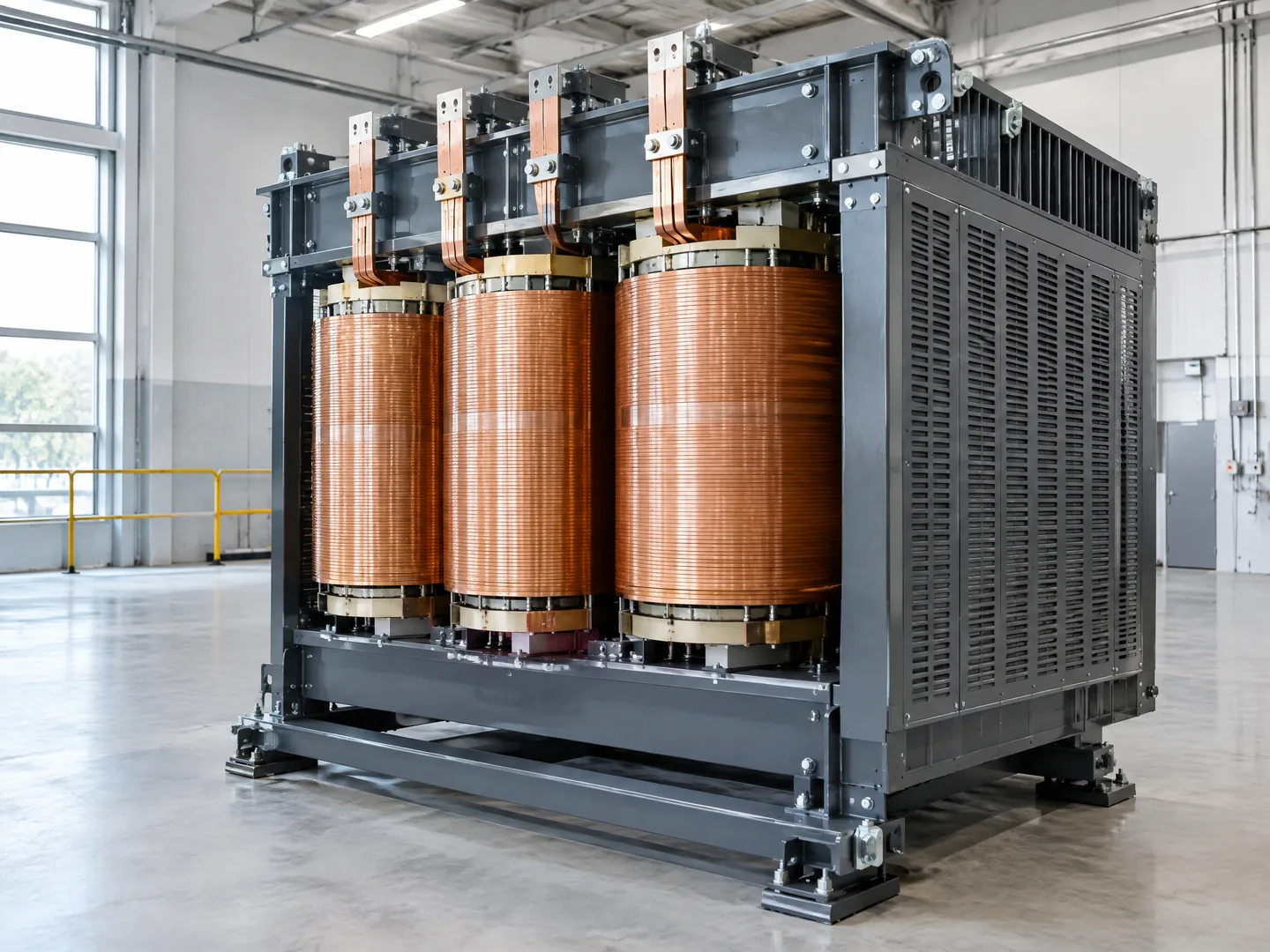
Dry-type
Ventilated, enclosed, cast-coil, and related indoor distribution equipment.
Review this category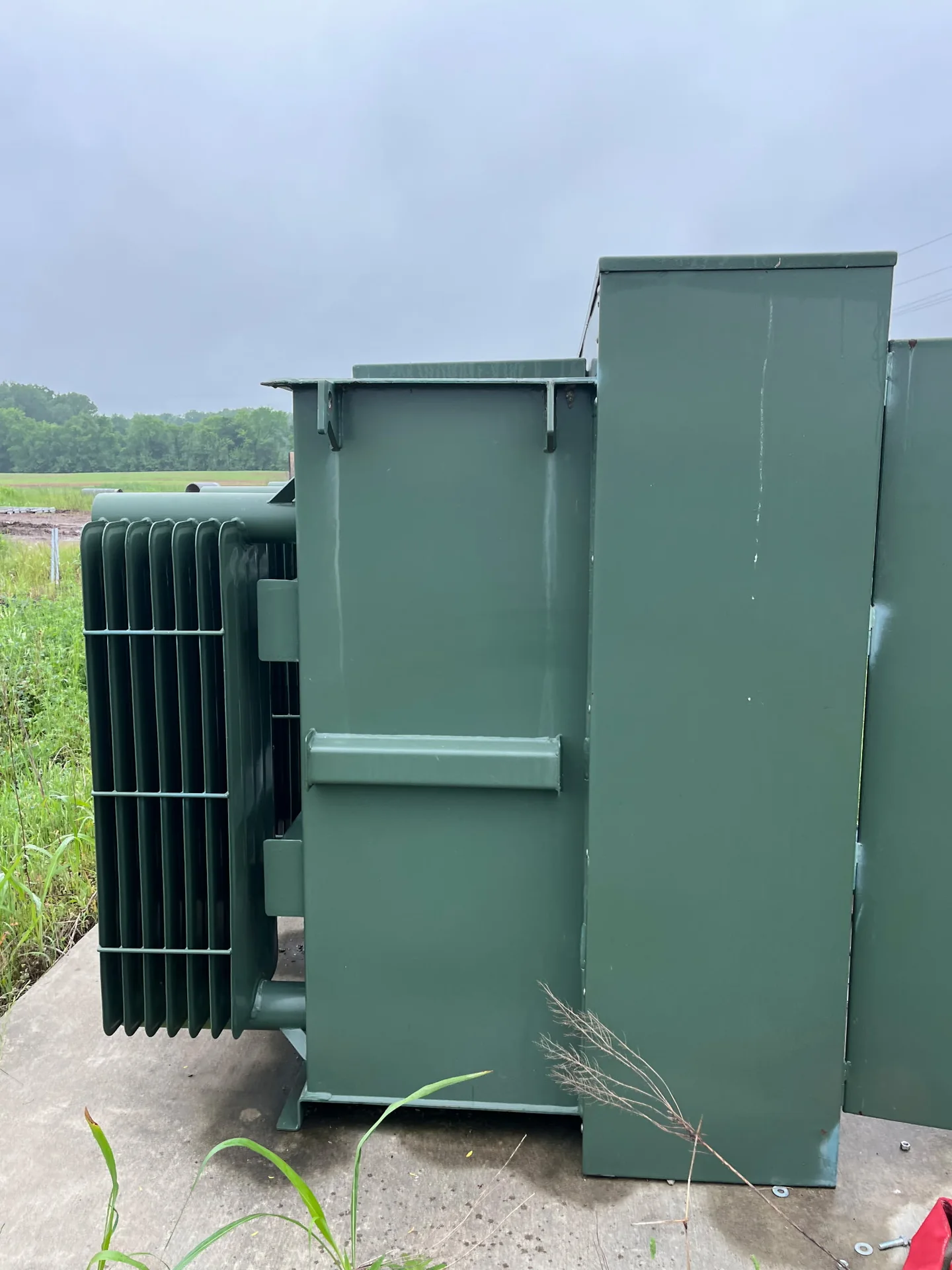
Pad-mounted
Commercial and utility distribution units with documented ratings and condition.
Review this categoryOil-filled
Liquid-filled distribution and power transformers evaluated with careful documentation.
Review this categoryEquipment in the field
Photograph the whole unit, not just the nameplate.
Field photographs help a buyer understand transformer design, completeness, visible condition, surrounding access, and the practical questions that shape a review. Include wide views, all sides, the nameplate, radiators, bushings, and any visible damage.
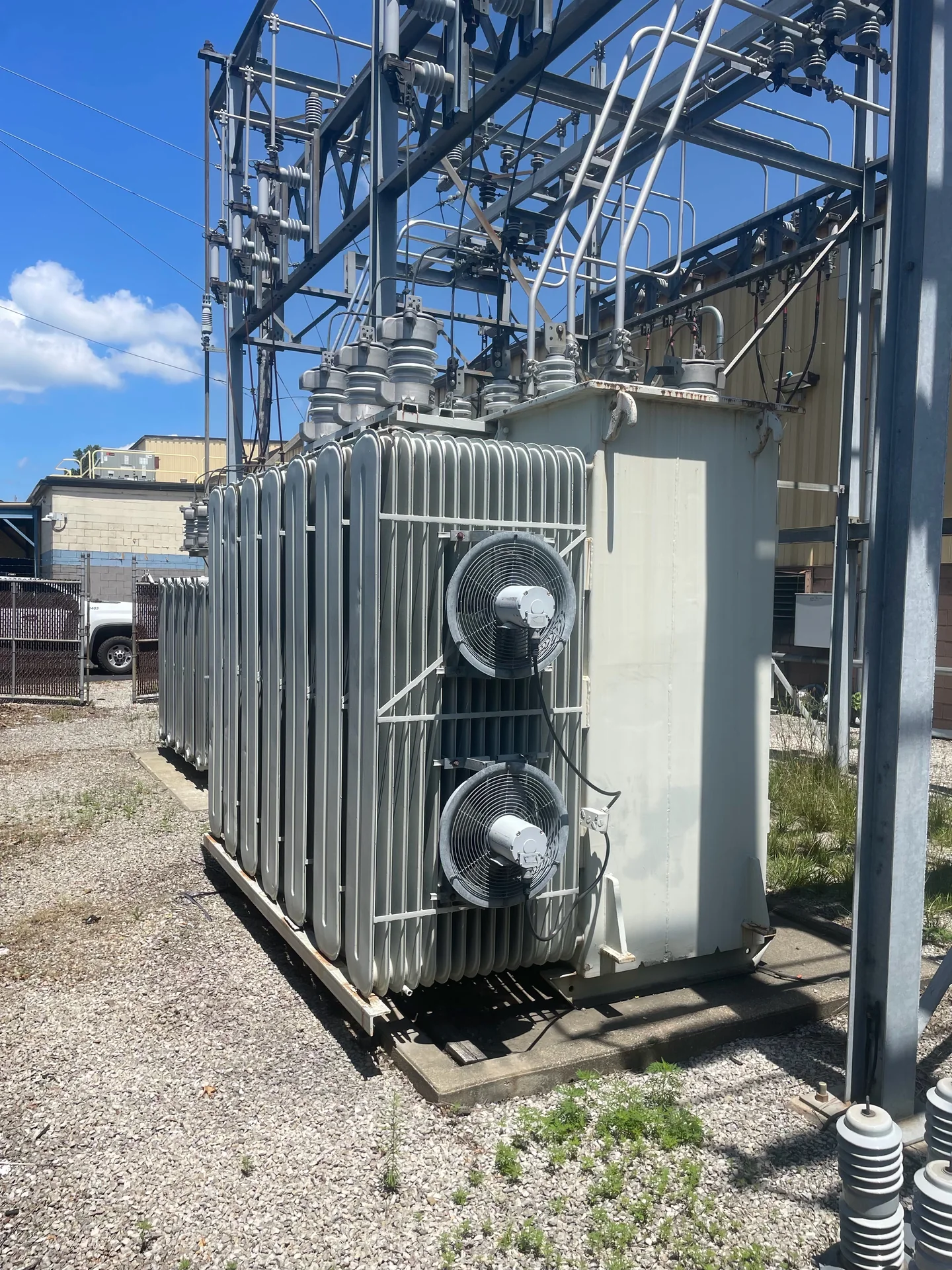
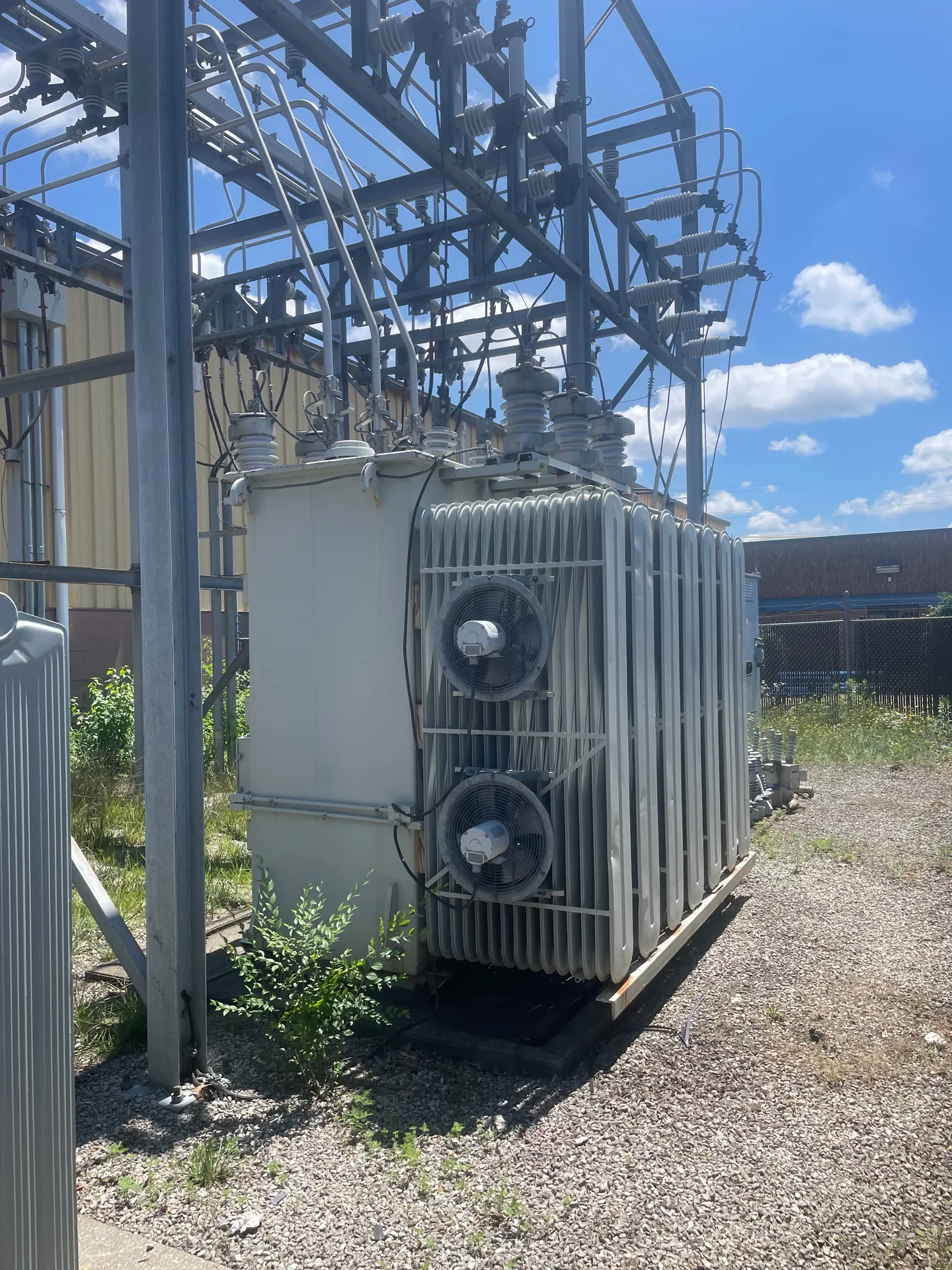
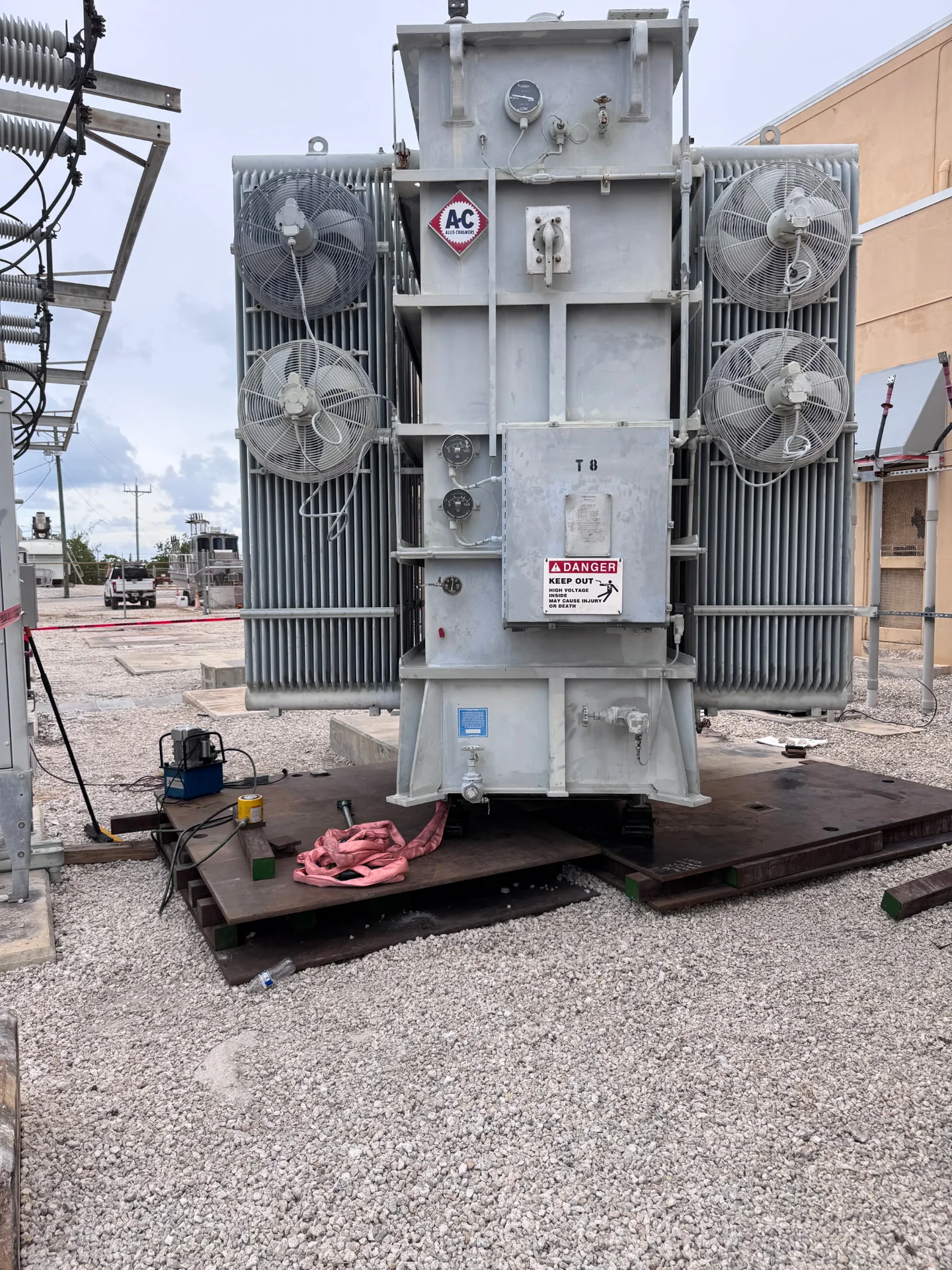
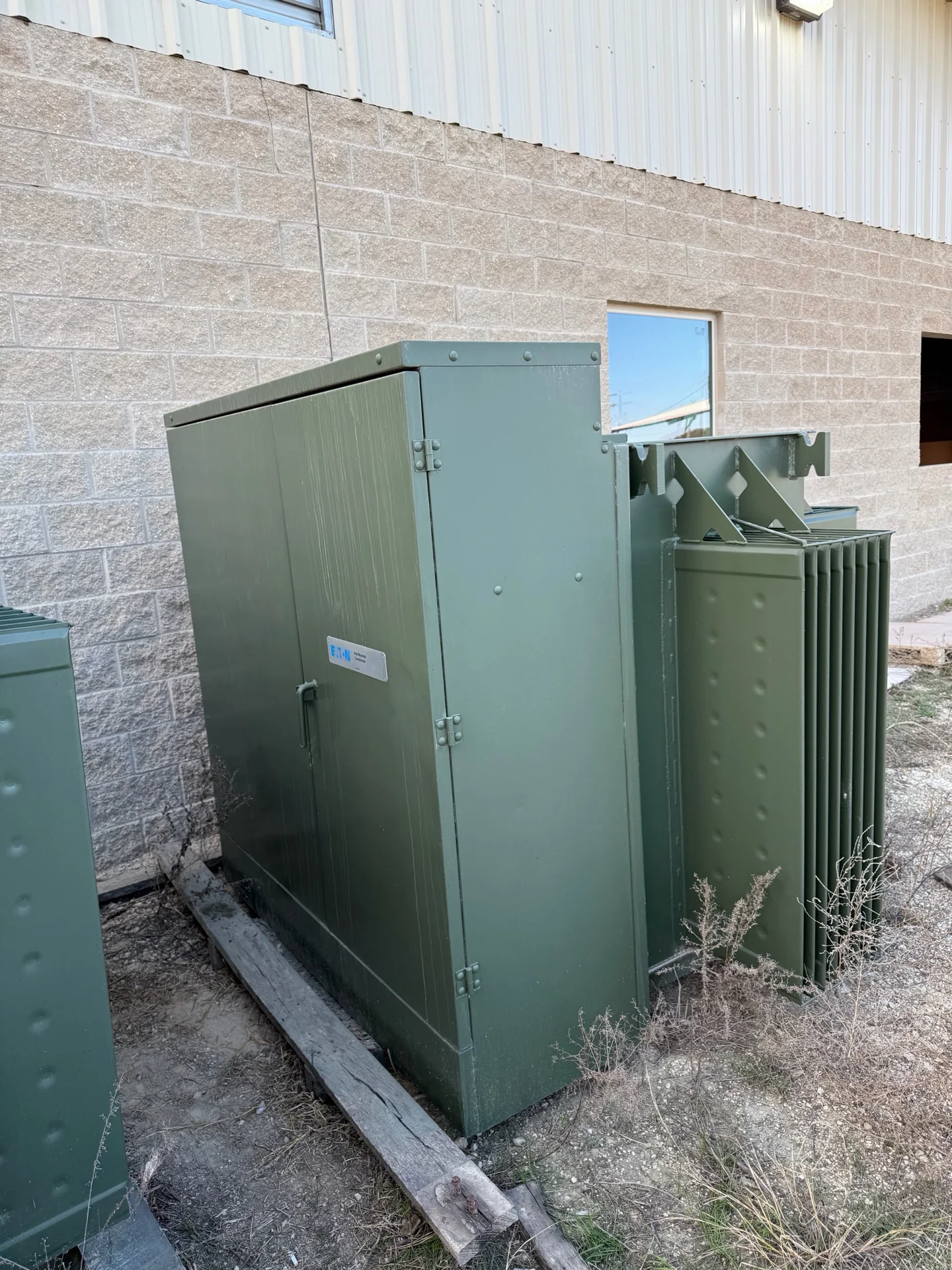
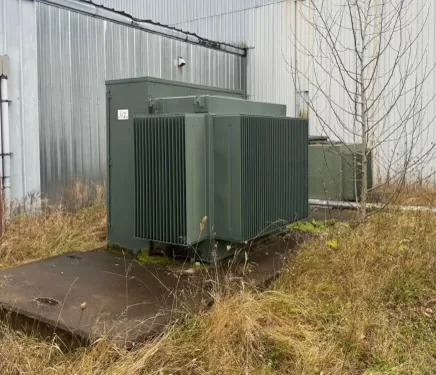
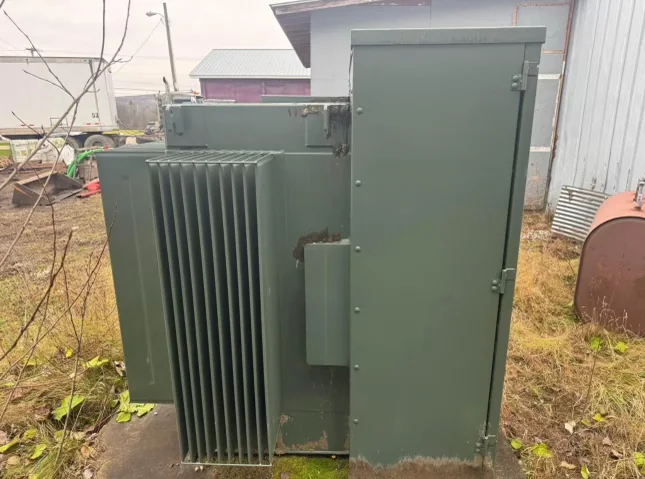
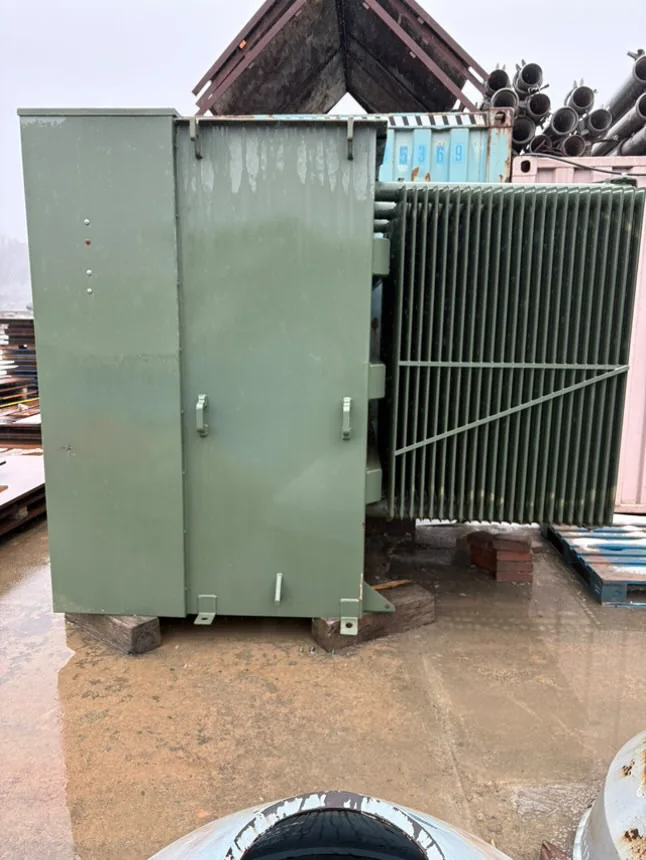
Equipment imagery supplied by the business. Images illustrate the type of information useful during an equipment review and do not represent a public inventory listing.
Who this is for
Built for commercial equipment decisions.
The strongest opportunities are well-documented, lawfully owned, accessible, and supported by a realistic timeline. Clear information saves time for both sides.
Facilities
Plant upgrades, spare equipment, closures, and capital projects.
Contractors
Decommissioning, demolition, electrical replacement, and project closeout.
Resellers
Documented inventory lots and surplus equipment consolidations.
Project teams
Equipment that needs coordinated removal, loading, and transportation.
Qualifying transformers we consider
We evaluate a wide range of transformer types but only offer on units that meet buyer safety, market, and condition expectations. Typical types reviewed include step-up and step-down transformers, isolation and distribution transformers, autotransformers, and three-phase power transformers. Design types such as dry-type, liquid-filled (mineral oil or other fluids), pad-mounted, and substation class units are considered when sufficient data and condition information are provided. Units lacking core nameplate or serial information may still be reviewed but generally need additional inspection.
bullets
- Transformer type: step-up, step-down, isolation, auto, distribution, substation
- Design: oil-filled, ester-filled, or dry-type; pad-mounted, pole-mounted, tank-mounted
- Ratings: kVA or MVA, primary and secondary voltages, phase (single/three), frequency (50/60 Hz)
- Manufacturer and model/serial number when available
- Special designs: outdoor enclosures, HVAC-integrated, or specialty core types
Who typically sells and what documentation helps
Sellers include electrical contractors clearing job sites, facility maintenance teams replacing older equipment, utilities decommissioning assets, manufacturers with surplus stock, demolition contractors, and equipment resellers. Providing clear documentation accelerates valuation and reduces onsite inspection needs. Essential items are legible nameplate photos, serial numbers, manufacturer and model, recent test or service records (e.g., DGA for oil-filled units or insulation and turns ratio tests), proof of ownership, and quantity and location details for grouped assets.
bullets
- High-resolution nameplate and overall photos
- Test reports and maintenance/service records
- Ownership documentation or asset tags
- Exact quantity and any serial number lists
- Location, site access notes, and photos of rigging/clearance
How valuation works — what buyers look at
Valuation begins with nameplate data and condition. Key technical factors include kVA or MVA rating, primary and secondary voltages, phase and frequency, insulation and cooling type, and manufacturing brand. Age and maintenance history influence perceived remaining useful life. Buyers also consider design compatibility with current systems, test/service records, and whether spare parts are available. Market demand at the time of sale and the quantity of similar units offered will materially affect any offer.
bullets
- Technical: kVA/MVA, voltages, phase, frequency, design type
- Manufacturer, model, and serial number
- Condition: cosmetic, internal condition if known, leaks or corrosion
- Records: recent test reports, maintenance logs, service history
- Market factors: current demand, volume being offered, and lead time
Typical evaluation and transaction process
Most transactions follow an inquiry, remote review, and onsite inspection sequence. Initial pricing indications often come from photos and nameplate data; a firm offer generally requires an in-person review or detailed third-party test reports. After an offer is accepted, parties arrange schedule, site preparations, and confirmation of ownership and required permits. Payment timing and method depend on agreed terms. Not every inquiry results in an offer — some units are declined for technical, environmental, or market reasons.
bullets
- Step 1: Submit photos and nameplate data for preliminary review
- Step 2: Receive indication or request for more information/testing
- Step 3: Onsite inspection or review of third‑party tests to finalize terms
- Step 4: Schedule removal, coordinate logistics and safety, complete transfer of ownership
- Step 5: Loading, freight, and final payment per agreed terms
Logistics, access, and site considerations
Logistics commonly determine feasibility. Important site factors include location, access for trucks and cranes, clearances for rigging and loading, whether disconnection and de-energization are complete, available staging areas, and any local permit requirements. Large transformers may require specialized rigging and transport equipment and coordination with third-party carriers. Sellers should plan for environmental controls for fluid-handling and confirm that qualified personnel will perform disconnect, testing, and loading in compliance with applicable regulations.
bullets
- Access: road, bridge, and site clearance for heavy haul
- Rigging: crane capacity, lift points, and qualified riggers
- Loading: use of skates, flatbeds, or specialized transport
- Environmental: managed handling of insulating fluids by qualified handlers
- Timeline: availability windows for removal and any site shutdown constraints
Alternatives when a unit isn’t a fit
If a transformer does not meet buyer requirements due to condition, missing data, or regulatory constraints, other options exist. Auctions or equipment brokers can reach different buyer pools. For units unsuitable for reuse, licensed recyclers or qualified disposal contractors can recover metals and manage fluids per environmental rules. Donations to training facilities or manufacturers may be appropriate in some cases. We encourage sellers to choose responsible options that follow legal and environmental obligations.
bullets
- Auction: broad market exposure for unusual or hard-to-price items
- Broker: targeted resale to specialist buyers
- Recycler: material recovery and compliant fluid handling
- Donation or trade: educational or manufacturer programs where available
- Qualified disposal: when reuse or resale isn’t possible
Common questions
What sellers ask first
Research before you sell