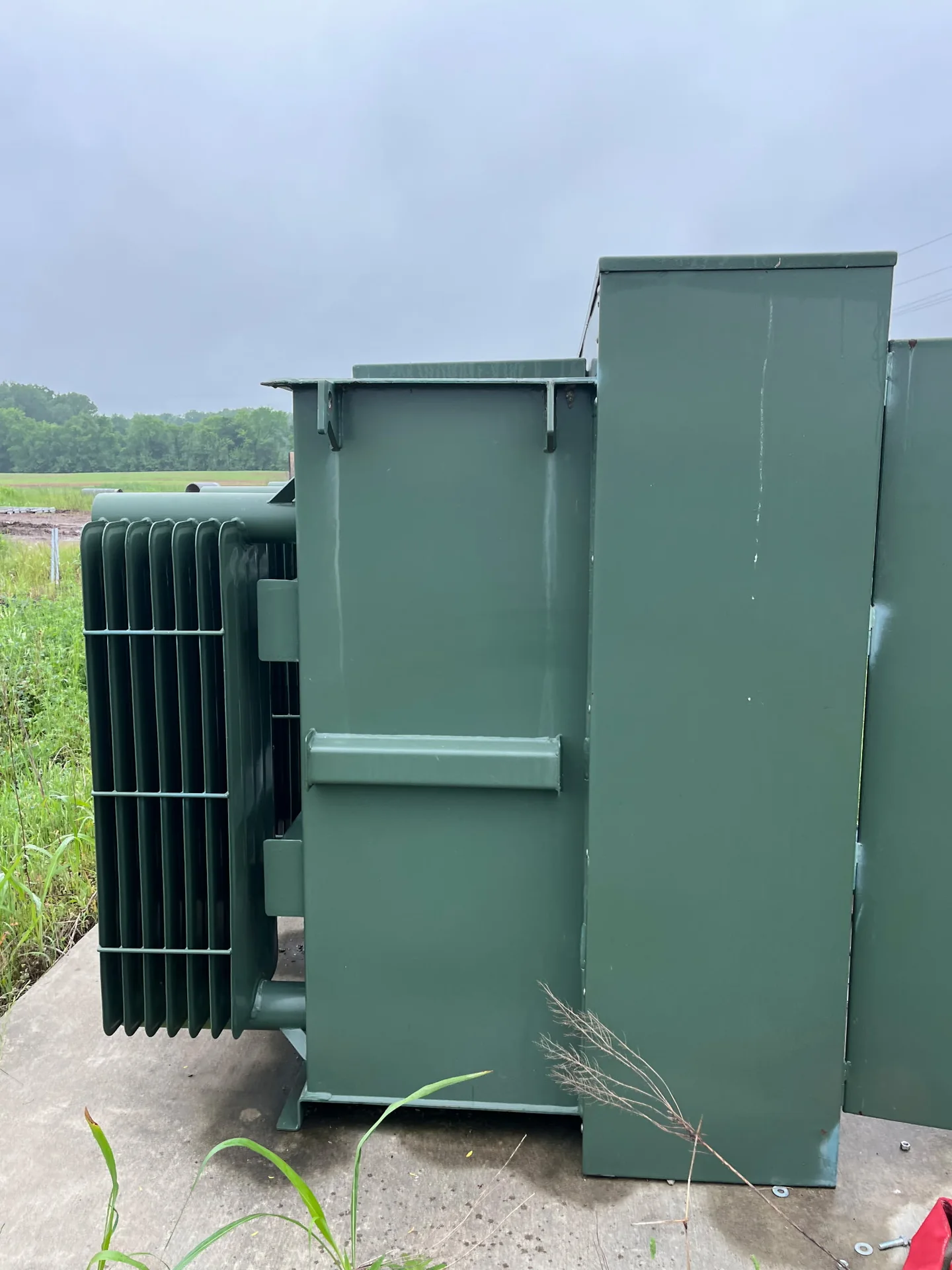
How to Get Cash for Used Electrical Transformers
If you want cash for a used electrical transformer, the process starts with clear identification and honest documentation. Buyers evaluate technical specs, condition, logistics, and current market demand before making an offer. This guide walks sellers through the decision steps — what information to collect, how condition and records affect value, logistic constraints buyers consider, and the main selling routes so you can take a safe, informed next step.
Evaluation starts with facts
Share the manufacturer, rating, voltage, phase, condition, quantity, and location before discussing value or pickup.
Step 1 — Collect the technical facts every buyer needs
Transformers are assessed primarily by their technical nameplate and design. The nameplate typically shows manufacturer, serial and model numbers, kVA or MVA rating, primary and secondary voltages, phase (single- or three-phase), frequency (50/60 Hz), impedance, and temperature rise. Design type (dry-type, oil-filled, pad-mounted, auto-transformer, etc.) and enclosure details also matter. Photograph the readable nameplate and note any missing or illegible data; even partial information lets a buyer determine likely reuse or component value.
Buyers use these specs to match your unit to current demand. For example, kVA/MVA and voltage dictate where a transformer can be reused, and phase/frequency determine compatibility with systems. If any of these items are unknown, describe what you do know and provide clear, close-up photos so a reviewer can estimate the unit’s market fit.
- Essential photos: full unit, nameplate close-up, bushings/terminals, interior (if safe to open), and any damage.
- Key data to record: manufacturer, kVA/MVA, primary/secondary voltages, phase, and design type.
Step 2 — Describe condition, history, and service records
Condition and historical records strongly influence offers. Note whether the unit was removed while operational, replaced during a planned upgrade, or untested. Age and physical condition — corrosion, dents, leaks, missing panels, or thermal damage — are material to buyers. If you have test reports, maintenance logs, or removal documentation, summarize those items. Even basic notes about storage (indoors versus outdoors) and time in storage help buyers assess risk and potential refurbishment costs.
Testing and service records increase resale potential because they reduce uncertainty. If records are not available, be explicit about unknowns. Accurate disclosure avoids delays and helps the buyer present a realistic next step rather than wasting time on assumptions.
- Useful documents: purchase receipts, recent load tests, insulation resistance tests, and maintenance logs.
- Honesty about unknowns (untested, missing parts) reduces back-and-forth and speeds review.
Step 3 — Calculate logistical constraints and costs
Logistics often determine whether a reasonable offer is viable. Buyers consider ownership, site location, access, rigging needs, loading equipment, trucking distances, and how quickly the unit can be removed. Pad-mounted and large oil-filled transformers typically require heavier rigging and specialized transport; indoor dry-type units may be easier to forklift out. Provide details about clearances, overhead obstructions, available crane or forklift, and any site restrictions to avoid surprises in a buyer’s estimate.
Also state expected timelines for removal and when the transformer will be available for pickup. If hazardous fluids are present, or if local regulations control handling, indicate that so buyers can factor in contractor costs. Always recommend engaging qualified rigging, electrical, and environmental professionals for disconnection, testing, and transport under applicable rules.
- Share site details: street access, gate hours, weight limits, and whether the unit is still installed.
- Note whether you can palletize or stage the unit for pickup to reduce handling time.
Step 4 — Choose a selling route that matches your goals
There are several legitimate ways to convert a used transformer into cash. Direct resale to an equipment buyer targets reuse and overhaul markets; brokers can find niche buyers but usually add fees; auctions reach wider audiences but create timing and price uncertainty; recyclers focus on material recovery and may offer minimal value for reused units. For units that cannot be resold, qualified disposal under environmental rules is the appropriate route. Weigh speed, price, paperwork, and risk when selecting a path.
No single route is always best. If a transformer is a common type with recent service records, a direct buyer or broker may secure better offers. If the nameplate is missing or the unit is heavily damaged, a recycler or scrap channel could be more realistic. Explain your priorities — speed, minimal handling, or maximizing resale value — so the chosen route aligns with your needs.
- Direct buyer: focused technical review, may require documentation and accessible pickup.
- Broker or auction: wider market exposure, potential fees and timeline variability.
- Recycler or disposal: for units unsuitable for reuse; ensure regulatory compliance.
Step 5 — Prepare a clear package for review
A concise package speeds review and reduces follow-up. Include readable photos, a short itemized list with nameplate data (or best estimates), quantity, ownership status, location and access notes, and any supporting documents. Indicate whether the unit is still installed or already disconnected, and provide a realistic timeline for removal. If you have multiple transformers or associated switchgear and panels, list everything — combined lots can change buyer interest materially.
Avoid attempting electrical or rigging work yourself unless you have the right qualifications. Buyers will expect removal by qualified trades under applicable codes; stating who will handle disconnection and rigging helps the buyer estimate costs accurately.
- Checklist to send: high-quality photos, nameplate data, condition summary, quantity, location and access, and timeline availability.
- If available, attach recent test/service records to support higher reuse value.
Step 6 — Make a safe, informed next step
After assembling information, contact buyers or channels that specialize in electrical equipment. Ask how they prefer to receive details and which removal responsibilities they expect the seller to handle. Request a site visit only where necessary and confirm any required documentation. Keep safety and compliance central: electrical disconnection, pressure tests, fluid handling, and rigging should be performed by qualified professionals following applicable requirements. If an offer does not materialize, consider broker, auction, or certified recycling options as appropriate.
Taking these measured steps gives you the best chance of a timely, fair review without unnecessary risk. Accurate documentation, clear logistics, and honest condition notes let buyers focus on market demand and realistic next steps rather than avoidable unknowns.
- Ask the buyer which removal costs they will absorb and which you must cover.
- Confirm required permits, environmental steps, and qualified contractors before removal.
Common questions
Practical answers before you call
One clear next step