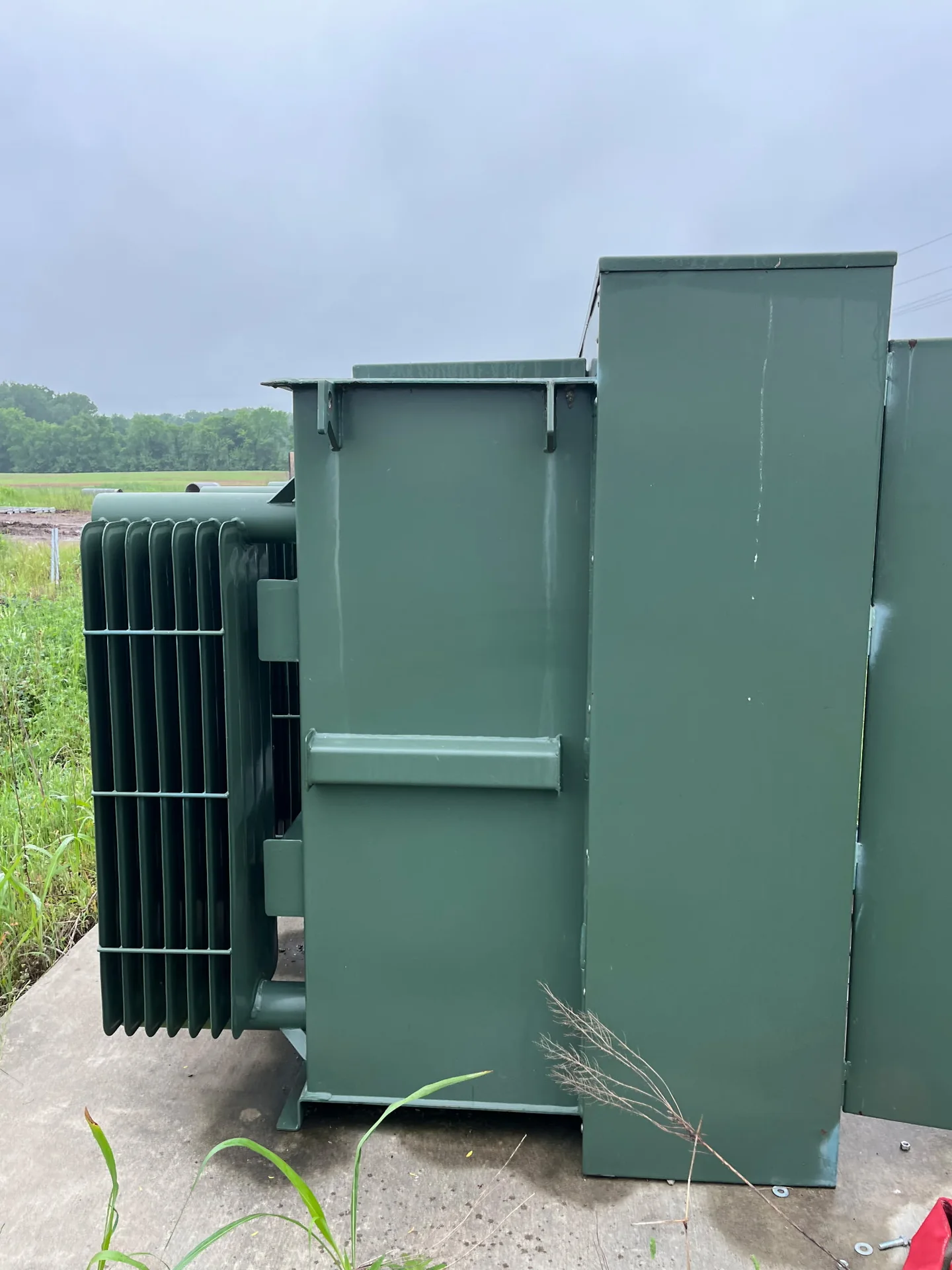
What Companies Buy Used Electrical Transformers?
If you’re asking “What companies buy used electrical transformers?” the short answer is: several types of buyers, each with different priorities. Which one is right for your unit depends on the transformer's specifications, condition, documentation, quantity, and how easily it can be accessed and moved. This guide explains who buys used transformers, what technical and commercial details matter, how different buyers evaluate equipment, and practical next steps that keep the process safe and clear.
Evaluation starts with facts
Share the manufacturer, rating, voltage, phase, condition, quantity, and location before discussing value or pickup.
Types of companies that commonly buy used transformers
Buyers fall into distinct categories. Direct electrical surplus buyers and transformer resellers look for units suitable for reuse or resale. Industrial equipment dealers and utilities sometimes buy specific sizes or brands for their operations. Recycling and scrap companies focus on material recovery when a unit is damaged, incomplete, or obsolete. Brokers and auction houses can help when you have unusual or multiple units, while demolition contractors or contractors may buy equipment when removing it from a project.
bullets
- Direct electrical surplus buyers — evaluate technical suitability for resale or reuse.
- Used equipment resellers — target commonly requested sizes, brands, and types.
- Industrial buyers and utilities — may purchase units that match operational specs.
- Recyclers/scrap buyers — recover copper, steel, and other materials from unusable units.
- Brokers and auction houses — useful for unusual lots or when broad market exposure is needed.
Technical and commercial details buyers need
Serious buyers will want clear, verifiable details so they can match demand or estimate material value. Key items include readable nameplate data, manufacturer and model, kVA or MVA rating, primary and secondary voltages, phase (single- or three-phase), and frequency. Design type (dry-type, oil-filled, pad-mounted, auto-transformer, isolation, distribution, or power transformer) affects reuse potential and transport needs. Age, condition, and any test or service records help distinguish resale candidates from scrap.
bullets
- Nameplate data and photos — essential for technical matching.
- Manufacturer and model — affects repair parts and market demand.
- kVA/MVA, voltages, phase, and frequency — determine compatibility with prospective users.
- Design type and enclosure — impacts handling, rigging, and acceptance.
- Condition, age, and test/service records — influence resale versus recycling outcomes.
How different buyer types evaluate value and risk
Buyers take different approaches: resale-focused buyers prioritize units with complete documentation, recent testing, and common specifications that match multiple buyers. Scrap-oriented buyers price mainly on recoverable metals and weight, and they consider fluid handling or hazardous materials liabilities. Industrial or utility buyers often assess fit-for-service and may require field testing. Demand in the market for specific sizes, brands, or types heavily affects interest — a rare specification may have limited buyers, while common distribution sizes typically attract more offers.
bullets
- Resale buyers assess reuseability and documentation.
- Scrap buyers focus on material content and handling costs.
- Industry buyers evaluate operational fit and testing requirements.
- Market demand for specific specs can speed or limit offers.
How to prepare a transformer so buyers can review it
Prepare concise, accurate information before contacting buyers. Photograph the nameplate and full unit from multiple angles, note visible damage, and assemble any available maintenance, test, or purchase records. Record quantity, ownership documentation, and the unit’s current location and access constraints. Be specific about how the transformer is mounted or installed, whether it has oil, and any special enclosure or pad details. Clear information reduces back-and-forth and helps buyers determine if an on-site inspection is necessary.
bullets
- Photograph readable nameplate and overall condition.
- List kVA/MVA, voltages, phase, manufacturer, and design type.
- Gather test, maintenance, or removal records if available.
- Describe ownership, current location, and physical access.
- Note whether the unit contains oil or other fluids.
Logistics, safety, and timeline considerations
Moving heavy electrical equipment involves rigging, loading, trucking, and possibly environmental controls for oil-filled units. Buyers will factor in removal complexity, on-site access, available lifting points, and whether licensed contractors or regulatory permits are required. Timelines vary: some buyers can decide from documentation and photos, others need site inspections and time to arrange rigging and transport. Always use qualified professionals for de-energization, disconnection, testing, and rigging, and comply with applicable regulations for fluid handling and transport.
bullets
- Removal and rigging should be performed by qualified contractors.
- Freight costs and specialized equipment (cranes, forklifts) affect offers.
- Oil-filled transformers may require certified handling and manifests.
- Timeline depends on buyer’s inspection needs and transport scheduling.
If you don’t receive an offer: alternatives and trade-offs
Not every transformer will attract a direct purchase offer. If buyers decline, your alternatives include listing the unit at auction, working with a broker who can reach specialized markets, or selling as scrap to recyclers. Auctions and brokers may reach buyers willing to repair or retrofit equipment, but they add fees and require time. Recycling may be the only practical route for damaged or undocumented units. For disposal-only situations, arrange qualified disposal that meets environmental and legal requirements; do not attempt fluid handling or dismantling without certified professionals.
bullets
- Auction — broader market exposure; fees and timeline apply.
- Broker — specialized outreach for hard-to-place units.
- Recycler/scrap — material recovery when reuse isn’t viable.
- Qualified disposal — required when reuse or recycling is not possible.
Common questions
Practical answers before you call
One clear next step