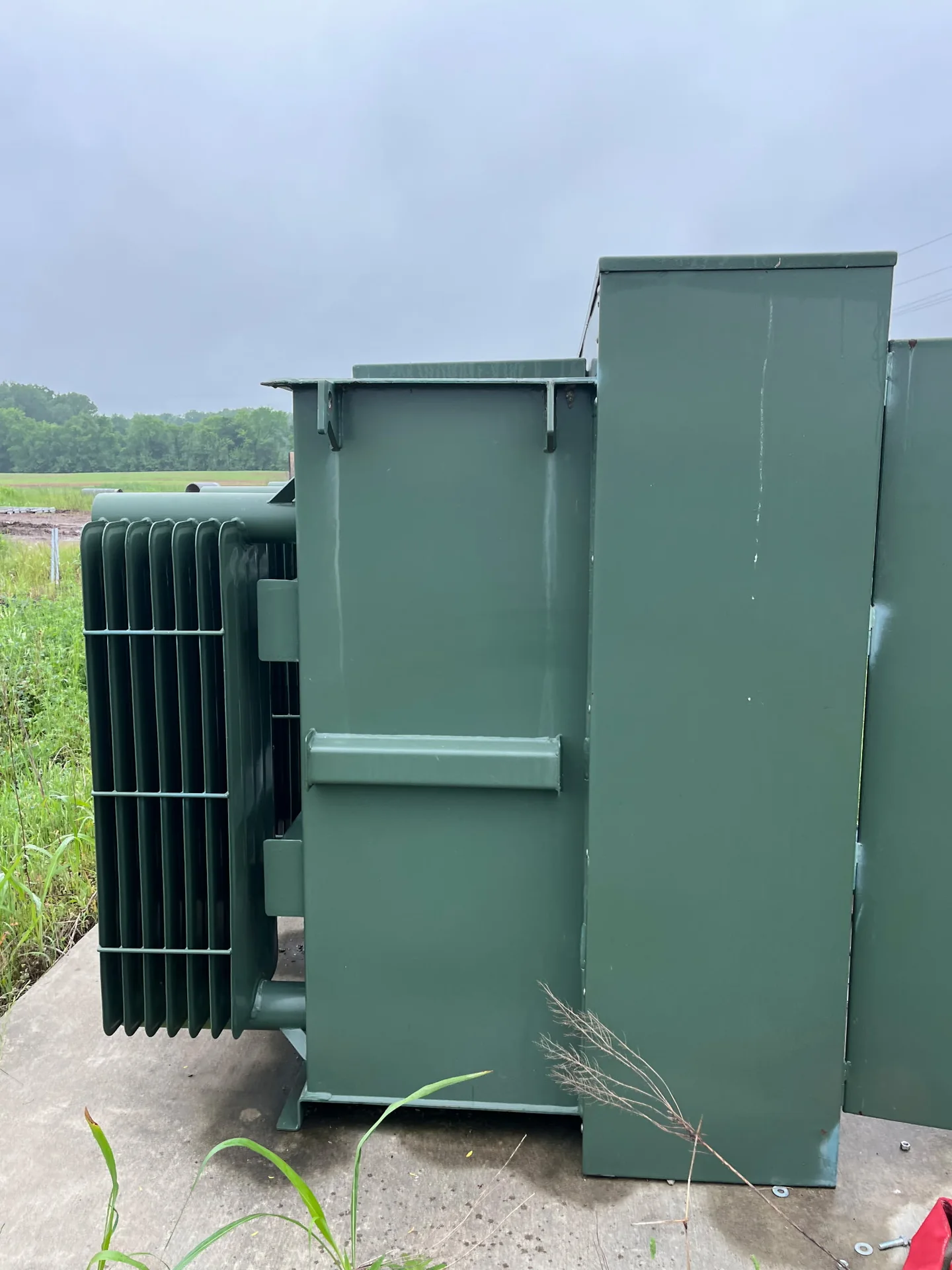
How to Sell Old Electrical Transformers
If you need to sell an old electrical transformer, treat it as an asset that buyers evaluate by measurable data and visible condition rather than assuming scrap value. Key factors buyers review include nameplate information (manufacturer, kVA/MVA, voltages, phase), design type (dry-type, oil-filled, pad-mounted), age, test records, quantity, and site constraints. This guide walks through how to document the unit, choose an appropriate selling route, prepare logistics, and understand realistic outcomes.
Evaluation starts with facts
Share the manufacturer, rating, voltage, phase, condition, quantity, and location before discussing value or pickup.
1. Start with the nameplate and basic specifications
The most useful single item for a buyer is the transformer nameplate. It typically shows manufacturer, serial or model number, kVA (or MVA) rating, primary and secondary voltages, phase (single or three), frequency, and sometimes impedance or insulation class. These numbers tell a buyer whether the unit fits a particular system and guide interest. If the nameplate is unreadable, clear photos of the enclosure, stamped tags, and connection points give clues but create more uncertainty for potential purchasers.
Technical terms in plain English help: kVA/MVA is the transformer's capacity in thousands or millions of volt-amperes; primary and secondary voltages show what systems it matches; phase indicates whether the unit serves residential single-phase or industrial three-phase systems; design type identifies whether the unit is air-cooled (dry) or liquid-filled (often oil). Providing these basics speeds screening.
- Essential nameplate fields: manufacturer, serial/model, kVA/MVA, primary/secondary voltages, phase, frequency, and insulation/fluid type.
- If readable, photograph the full nameplate and a close-up from different angles; if not, capture surrounding markings and hardware.
2. Document condition, age, and any test or service records
Condition and documented history strongly influence market interest. A unit removed from service in working condition with recent dielectric, turns-ratio, or oil analysis results will draw different buyers than a stripped or heavily corroded enclosure. Age matters less than evidence of maintenance: an older transformer with clean records can be reusable, while a more recent but damaged unit may only have parts or scrap value.
If you have test or maintenance records, include them. If not, note how long the unit was last energized, why it was removed (upgrade, failure, closure), and how it was stored. Be honest about missing bushings, leaks, denting, or burned terminals—transparency reduces surprises during inspection and negotiation.
- Positive indicators: intact nameplate, recent test reports, complete bushings, indoor storage, documented removal reason.
- Negative indicators: missing hardware, visible oil leaks, severe rust, evidence of overheating, unknown storage exposure.
3. Choose the selling route that fits the unit and your constraints
There is no single best market for every transformer. Common pathways are direct buyers who evaluate for resale or reuse, industrial brokers or auction houses that market to multiple buyers, scrap recyclers focused on metal recovery, or qualified disposal when environmental or regulatory issues prevent reuse. Your choice should reflect nameplate clarity, condition, quantity, timeline, and acceptable logistics.
As examples, a small number of complete, documented pad-mounted or dry-type units often interest direct buyers or brokers. Large lots of unidentified or heavily stripped units frequently go to recyclers. If oil contamination, PCBs, or other regulated conditions are possible, involve environmental specialists rather than pursuing ad-hoc sales.
- Direct buyer: best when the unit is identifiable and reuse is plausible.
- Broker or auction: useful for unusual, higher-value, or large-quantity lots needing market exposure.
- Recycler/qualified disposal: appropriate when units are stripped, contaminated, or cannot meet regulatory reuse standards.
4. Prepare practical logistics: quantity, location, access, rigging and timeline
Buyers and brokers will request practical details that affect feasibility and cost. Quantity matters: single units follow different processes than pallets or truckloads. Location and access—indoor electrical room, fenced yard, rooftop, or curbside pad-mounted—determine whether specialized rigging, permits, street closures, or traffic control will be needed. Provide clear notes about available lifting gear, weight-bearing surfaces, and site restrictions.
Timeline also influences options. If removal and pickup must happen quickly, a recycler may be the realistic path. If you can schedule site visits and allow for testing, resale or auction routes become more viable. Always disclose ownership, liens, or transfer restrictions before engaging a buyer to avoid later legal or administrative delays.
- Information to prepare: number of units, exact site address, access limitations, lifting gear availability, and preferred pickup windows.
- Safety reminder: disconnection, energization control, fluid handling, and rigging need qualified professionals and must comply with applicable codes.
5. Provide clear photos and organized documentation
A compact, organized package of photos and documents speeds realistic appraisals. Include a close-up of the nameplate, four side views, top/bushing views, and images of any damage or missing components. If test reports, oil analyses, or maintenance logs exist, attach them. If the nameplate is partly unreadable, qualified personnel can open panels to capture internal tags—do not attempt electrical access without appropriate personnel.
Honesty is important: list missing parts, prior repairs, and reasons the transformer left service. Clear, labeled photos that show scale (distance shots plus close-ups) and any identifying tags help buyers estimate inspection needs and reduce back-and-forth questions.
- Minimum photo set: nameplate close-up, four side views, top/bushing view, and damage details.
- Documentation to gather: available test reports, maintenance records, proof of ownership, and removal date or circumstance.
6. Understand evaluation outcomes and negotiate responsibilities
An initial inquiry generally leads to one of several outcomes: a request for more information, a site inspection, a conditional offer pending testing, or a determination that the unit is suitable only for parts or scrap. Not every transformer will receive a resale offer. Be prepared to consider alternatives and ask prospective buyers to explain their reasoning if they decline interest.
When interest exists, clarify responsibilities early: who arranges and pays for rigging and freight, whether fluid removal or oil disposal is required and who handles it, and which party secures permits or traffic control. If reuse isn’t practical, ask about responsible recycling or qualified disposal options that comply with environmental requirements.
- Possible buyer requests: additional photos, test results, site visit, or proof of ownership.
- Clarify logistics and liability before acceptance: removal costs, who handles fluids, and expected pickup timelines.
Common questions
Practical answers before you call
One clear next step