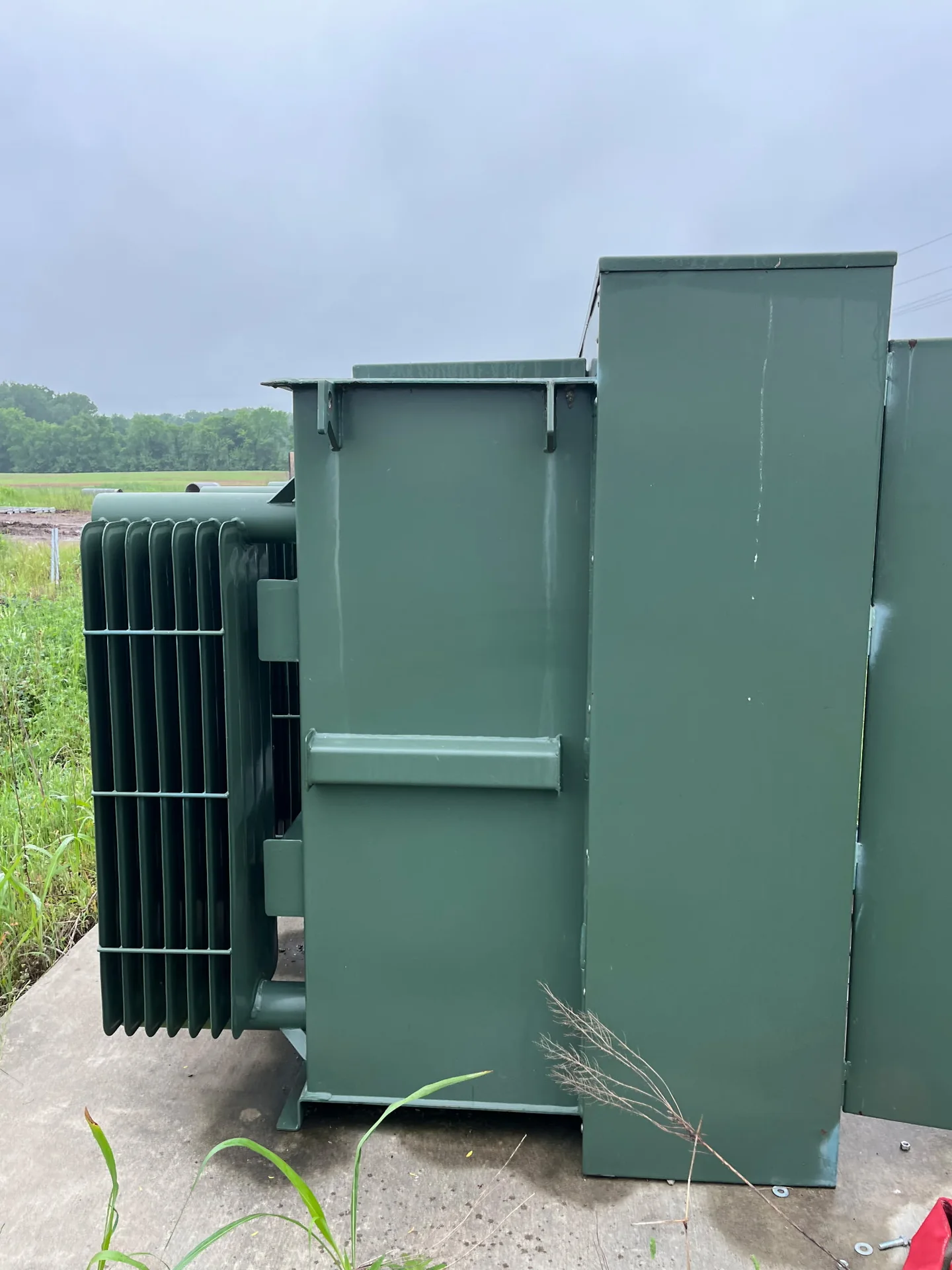
Where Can Contractors Sell Used Electrical Transformers?
Contractors frequently end up with used electrical transformers after upgrades, tenant improvements, demolitions, or equipment swaps. Deciding where to sell them depends on observable equipment details, how quickly you need the item removed, and what documentation you can provide. This guide explains the common buyer routes, the technical and commercial factors buyers check, how to prepare a unit for review, and sensible next steps so you can get an informed offer or choose an appropriate alternative.
Evaluation starts with facts
Share the manufacturer, rating, voltage, phase, condition, quantity, and location before discussing value or pickup.
Start by identifying the transformer and its nameplate data
Buyers rely on the nameplate and visible features to understand a transformer’s basic value and suitability. The nameplate typically shows manufacturer, serial number, kVA (or MVA) rating, primary and secondary voltages, phase (single- or three-phase), frequency (Hz), impedance, and temperature rise. Also note design type (dry-type, oil-filled, pad-mounted, auto-transformer, isolation, etc.). If the nameplate is missing or illegible, describe what is readable and where the unit came from; missing data reduces buyer confidence and often leads to lower offers or requests for testing.
Photograph the nameplate close-up and the whole unit from multiple angles. Clear nameplate data shortens review times and helps buyers determine whether the unit meets current demand or requires additional inspection.
- Record manufacturer, serial/model number, kVA/MVA, voltages, phase, frequency
- Note design type: dry-type, oil-filled, pad-mounted, or other
- Take multiple photos including nameplate and mounting/access points
What buyers evaluate beyond the nameplate
Buyers consider age, visible condition, test and service records, and removal history. A relatively recent unit with test/service documentation and no major corrosion or oil leaks draws more interest than an old, untested, or visibly damaged unit. Quantity matters: multiple identical transformers or a larger electrical surplus lot often attracts more buyer attention than a single isolated unit. Also disclose ownership and any liens, and be prepared to explain why the transformer was removed (replacement, upgrade, or demolition).
Current market demand influences whether buyers will pursue a unit. A pad-mounted oil-filled distribution transformer in a service area with active demand will be viewed differently than a rare voltage or phase combination with low demand.
- Age and condition: corrosion, dents, oil stains, insulation damage
- Test/service records: dielectric tests, turns ratio, recent maintenance
- Quantity and related surplus: single unit vs. multiple units or packages
Where to sell: common buyer routes and how they differ
Direct surplus buyers and specialty electrical equipment resellers review equipment details and can make cash offers if the transformer fits their inventory needs. They typically prioritize readable nameplates and clear access. Brokers or consignors can expose your unit to more buyers but will add time and commission. Public or private auctions can be effective for unusual or large lots but provide less price certainty. Recyclers and scrap yards accept units when resale is unlikely; they focus on metal and salvage value. Qualified disposal or licensed hazardous-waste handlers are needed for end-of-life oil-filled units when reuse is not feasible.
Choose the route that matches your priorities—speed, price, certainty, or environmental compliance. Not every transformer will find a resale buyer; be prepared to consider recycling or disposal if buyers decline after inspection or testing.
- Direct buyer/reseller: faster review with detailed info
- Broker/consignment: broader exposure, longer timeline
- Auction: good for lots or unusual items, less control on price
- Recycler/scrap: option when resale is unlikely
- Licensed disposal: required when environmental controls or regulations apply
Prepare the unit and documentation to improve offers
Provide clear photos, readable nameplate images, and an honest condition description. If available, include test and service records, recent oil test results, or maintenance logs. Describe site access, how the transformer is staged (still installed, on a pallet, in a yard), and whether it's been disconnected. List payload details such as approximate weight and whether lifts or special rigging are needed. Buyers will ask about freight requirements and timeline constraints; the more complete your package, the faster a qualified buyer can respond.
For pad-mounted and oil-filled units, note any containment, spill history, and whether oil-handling requirements apply. Do not attempt electrical disconnect, testing, or rigging unless performed by qualified professionals under applicable codes and permits.
- Photos: multiple angles, nameplate close-ups, condition details
- Documents: test reports, service records, ownership proof if requested
- Logistics: location, access, estimated weight, rigging or loading needs
Logistics, safety, and timeline considerations
Understand that removal, rigging, loading, and transport require qualified personnel and appropriate equipment. Buyers may request lift plans or ask whether a forklift or crane can reach the unit. Freight costs and the difficulty of access (narrow alley, rooftop, locked compound) affect net proceeds and buyer interest. Be transparent about required timelines: a contractor needing same-week pickup will face different options than a seller with flexible timing.
Environmental and regulatory considerations—especially for oil-filled units—may require testing, containment, or certified handlers. These obligations can change which buyer routes are viable. Always engage qualified professionals for any disconnection, testing, fluid handling, rigging, or transport and follow applicable local, state, and federal requirements.
- Confirm site access and whether a crane or forklift is available
- Disclose timeline requirements and staging details
- Use certified professionals for disconnects, testing, and handling
How to evaluate offers and choose a next step
When you receive interest, compare offers not only on price but on terms: buyer’s inspection conditions, who pays for removal and freight, payment timeline, and required documentation. A higher nominal offer that requires you to pay for complex rigging or freight may be less attractive than a lower offer that covers pickup. If no resale offers appear, consider brokered sale, auction, or recycler options, and get quotes from at least two different buyers to benchmark value.
Before committing, verify the buyer’s references or business credentials and clarify who is responsible for safe disconnection, any required permits, and environmental compliance. If the transformer will not be resold, plan for certified disposal through licensed handlers. These steps reduce risk and help you choose the route that best matches your project needs and constraints.
- Compare net proceeds after removal and freight
- Clarify inspection contingencies and payment terms
- Vet buyer credentials and responsibilities for safety and compliance
Common questions
Practical answers before you call
One clear next step