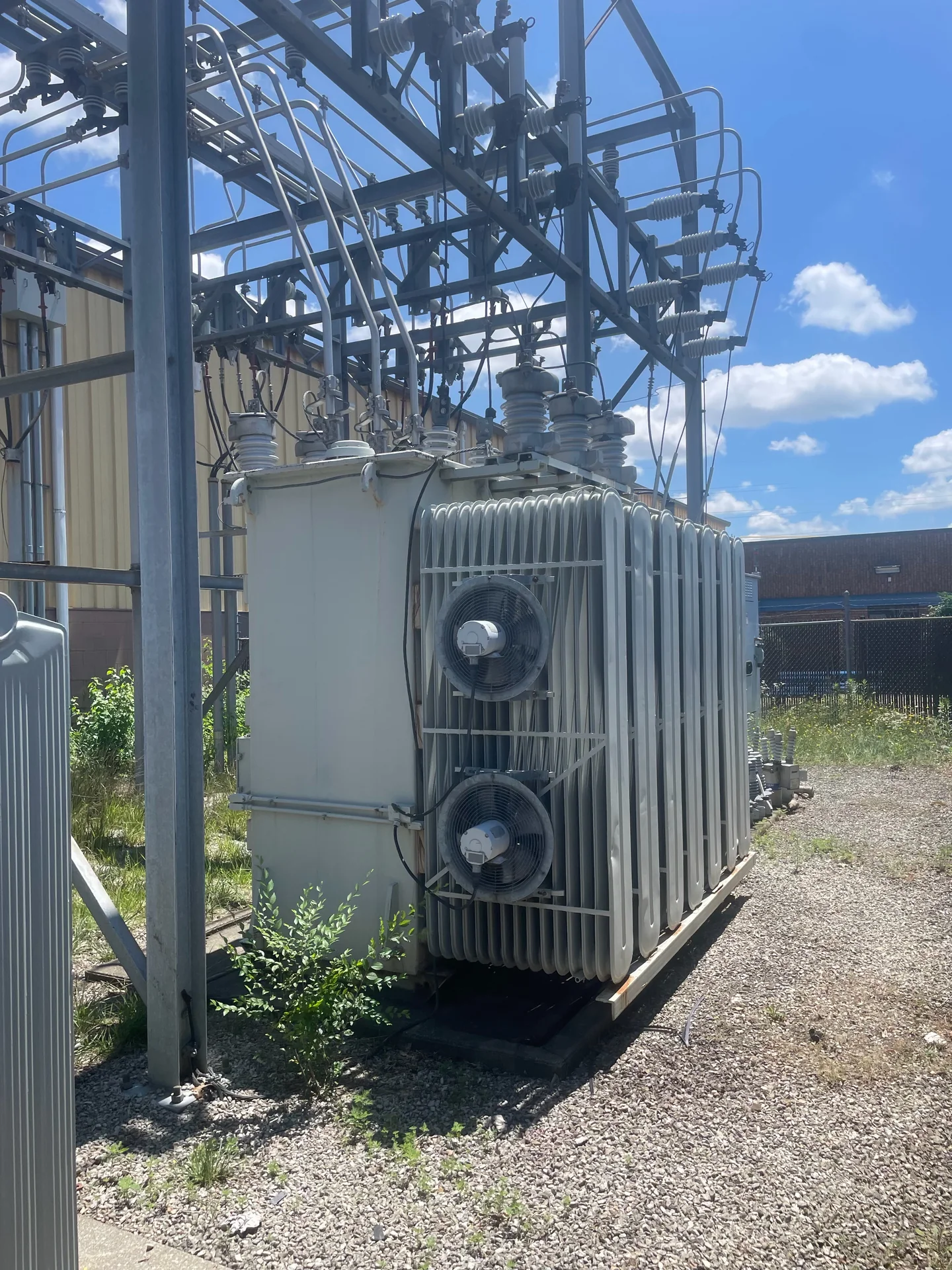
Who Buys Used Electrical Transformers Near Me?
When you search for “Who buys used electrical transformers near me?” you are usually trying to move a technical asset without getting stuck on casual responses. Many capable buyers operate nationwide and can screen equipment from photos, readable nameplates, and service records. That remote screening identifies whether a unit fits current demand, but whether it can actually be collected depends on location, site access, and third-party rigging. This page explains what buyers look for, how to compare offers, and practical next steps. For more context, see our service-area hub and nationwide buyer guidance.
Evaluation starts with facts
Share the manufacturer, rating, voltage, phase, condition, quantity, and location before discussing value or pickup.
Why “near me” intent often reflects urgency, not geography
People who search for nearby buyers are usually solving timing or access problems rather than insisting on a local company. A nationwide buyer can review equipment remotely to determine interest and price range. Remote review reduces time wasted on unsuitable inquiries, but it does not confirm pickup logistics. Whether a local carrier or on-site contractor is required depends on site constraints, permitting, and the availability of certified riggers near your location. Always clarify logistics before accepting any offer.
bullets
What experienced buyers need to evaluate remotely
A focused buyer uses a combination of photos, nameplate data, and documentation to screen units before an on-site visit. The most helpful items let the buyer confirm electrical ratings, physical design, and recent service history. Honest, clear information speeds the process and reduces surprises. Without readable nameplate data or basic photos, many buyers will decline or request an in-person survey, which adds time and cost.
bullets
- Nameplate data: manufacturer, serial/model, kVA or MVA, primary and secondary voltages, phase, and frequency.
- Design and type: dry-type, oil-filled, pad-mounted, power vs. distribution, auto-transformer, step-up/step-down, isolation.
- Condition and age: visible corrosion, damaged bushings, missing panels, signs of overheating, and estimated years in service.
- Test and service records: turns ratio, insulation resistance, oil test results, maintenance logs if available.
- Quantity, ownership documentation, and any surplus or title paperwork.
- Location and access notes: floor level, pad/vault, rooftop placement, gate clearance, and approach roads.
“Near me” should mean a workable equipment review
A nearby search result does not by itself mean a buyer has a local office, crew, or immediate pickup capacity at every location. The useful question is whether the buyer can review your equipment facts, explain the next steps, and coordinate a practical inspection or removal plan if there is a commercial fit.
Start remotely with complete information, then verify the written terms, inspection assumptions, responsibility for safe work, and any logistics or environmental conditions. That approach lets a seller compare real options without relying on vague local promises.
- Share nameplate and condition photos before expecting a location-specific pickup discussion
- Confirm whether the review is preliminary, conditional on inspection, or supported by available test records
- Ask which party handles qualified disconnection, rigging, transportation, permits, and fluid-related work
- Use the written scope, not a generic “near me” claim, to compare buyer options
How to compare buyers and verify the offer scope
Offers differ in what they include. Some buyers quote only for the equipment value and expect the seller to arrange removal; others provide bundled proposals covering purchase, removal, and freight. To compare reliably, insist on a written scope that defines responsibilities: who arranges rigging, who handles fluid or oil management, who secures permits, and payment timing. Avoid accepting vague verbal estimates. Clear scope language prevents misunderstandings that can lead to unexpected costs or cancelled transactions.
bullets
- Request written terms that list purchase price, removal responsibilities, and any environmental handling obligations.
- Ask whether the offer is conditional on a site survey, additional testing, or post-pickup inspection.
- Clarify who arranges and pays for certified riggers, carriers, special permits, and any cradle/transport equipment.
- Confirm how long the offer is valid and whether price adjustments can occur after onsite inspection.
Pickup, rigging, and freight realities to plan for
Logistics often determine whether a sale is practical. Large transformers require rated rigging, suitable lifting points, and carriers able to handle the weight and dimensions. Urban sites, enclosed vaults, or rooftop locations add complexity and may require cranes, traffic control, or temporary shoring. If the unit contains oil, local regulations and qualified fluid-handling contractors are likely involved. A nationwide buyer can coordinate third-party riggers and freight, but feasibility and cost depend on the specific site conditions and carrier routing.
bullets
When a transformer may not attract a purchase offer — and alternatives
Not every transformer will receive a purchase offer. Common deal-breakers include illegible or missing nameplates, severe mechanical damage, evidence of contamination (for example, PCBs), obsolete voltages, or the absence of test records. When a direct buyer declines, alternatives exist: work with a specialized broker or auction house that markets to niche buyers, offer the unit to a surplus equipment reseller as part of a lot, or arrange certified recycling or qualified disposal if reuse is not feasible. Choose the path that matches your timeline, documentation, and regulatory obligations.
bullets
- Auction or broker sale to reach specialized buyers when direct sales fail.
- Surplus reseller for mixed lots or multiple components.
- Certified recycling or qualified disposal if the unit is contaminated or beyond reuse.
Practical next steps to prepare equipment for review
Prepare a concise packet of information before contacting buyers: high-resolution, well-lit photos of every side and of the nameplate; close-ups of bushing and terminal areas; and any available maintenance or test reports. Note exact placement and access constraints, the quantity available, and whether additional switchgear or electrical surplus accompanies the sale. When you request bids, ask prospective buyers to provide a written scope that separates evaluation, purchase, removal, environmental handling, and payment timelines so you can compare proposals on an equal basis.
bullets
- Photograph the nameplate, all sides, connection points, and any damage.
- Gather service and test records, and state whether the unit was removed energized or untested.
- Document site access limits, clearance measurements, and preferred pickup windows.
- Request written offers that specify responsibilities, timelines, and conditions for payment.
Common questions
Practical answers before you call
One clear next step