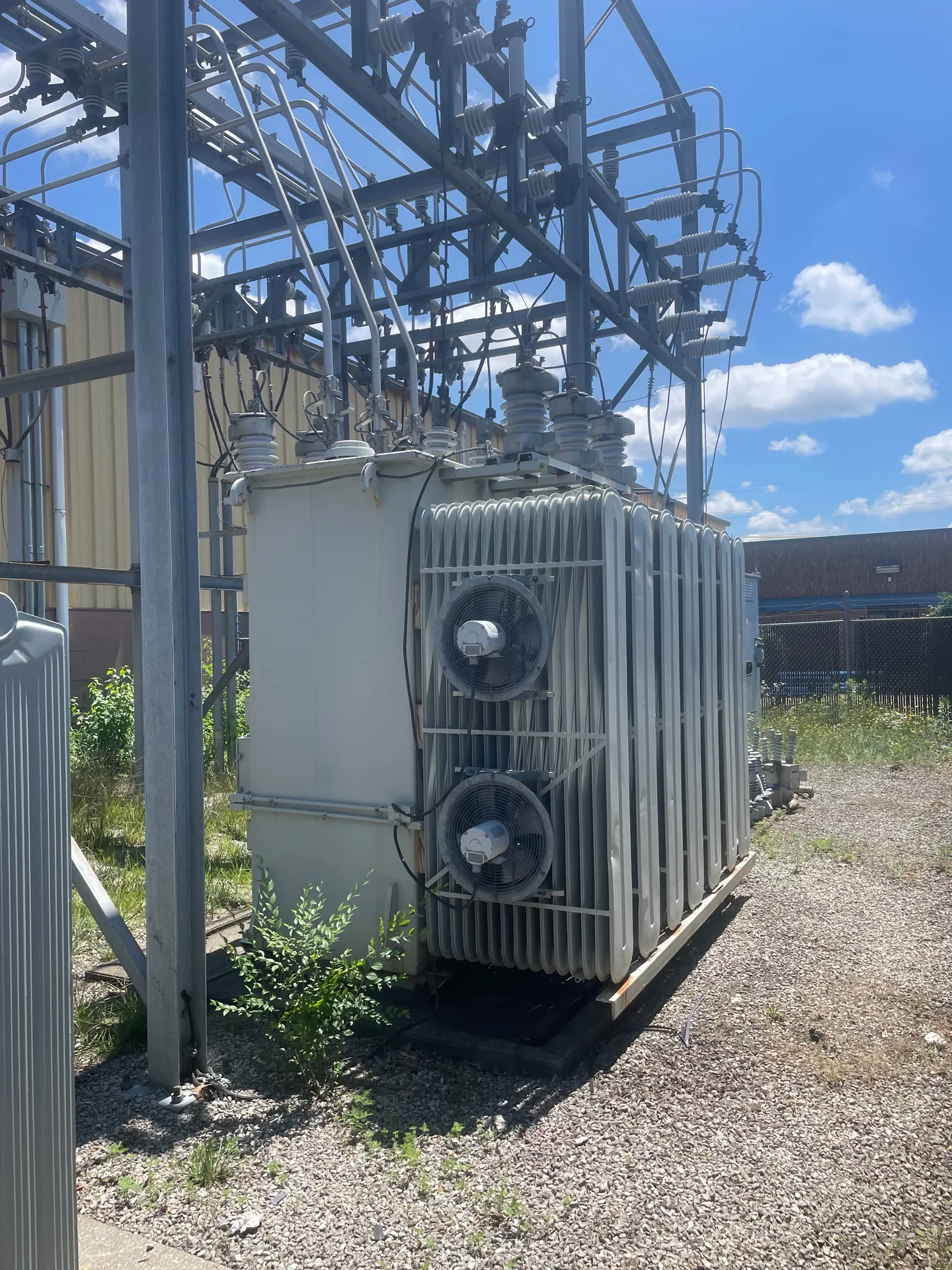
Sell Electrical Transformers Near Me
Searching “sell electrical transformers near me” usually means you want a straightforward way to convert surplus or decommissioned transformers into cash and free up space. A capable nationwide buyer can often evaluate equipment remotely from photos, nameplate data, and records. Whether a sale and pickup are feasible depends on the transformer location, site access, and logistics. This page explains what buyers typically need, how to compare offers, and practical next steps so you can make an informed decision.
Evaluation starts with facts
Share the manufacturer, rating, voltage, phase, condition, quantity, and location before discussing value or pickup.
Why “near me” searches don’t always mean local pickup
People typing “near me” expect convenience, but not every purchaser operates with local crews. Many professional transformer buyers serve the whole country and will perform remote evaluations before confirming interest. Remote evaluation can save time: buyers review photographs, nameplate data, and maintenance records to decide whether to pursue an offer. Physical pickup, however, depends on site access, handling requirements, freight availability, and the buyer’s logistics partners or local contractors.
bullets
What to provide for a reliable remote evaluation
To get useful responses from buyers, assemble clear documentation and photos. Nameplate data and test records are often decisive because they summarize capacity, design, and service history. Good documentation reduces uncertainty, narrows price ranges, and limits follow-up questions. If you can include handling details and site photos, buyers can better estimate pickup complexity and potential costs.
bullets
- Nameplate data: manufacturer, serial number, kVA/MVA rating, primary/secondary voltages, phase, frequency, and design type (e.g., unit substation, padmount, liquid-filled).
- Manufacturer and model year or age estimates.
- Condition notes and photographs of all sides, bushings, radiators, and interior (if safe/allowed).
- Recent test or service records (e.g., insulation tests, turns ratio, or oil tests).
- Quantity and ownership documentation, including tags or purchase records.
- Location specifics: street address, site access route, clearances, and nearest loading area.
How location, access, and rigging affect offers
After a buyer confirms interest, logistics drive the real-world feasibility and the net offer. Factors such as confined spaces, limited truck access, overhead obstacles, crane availability, and required rigging or structural support all add cost and complexity. Buyers will consider whether your site needs special permits, lane closures, or traffic control. Freight routes, shipment weight and dimensions, export constraints, and the presence of hazardous fluids also change how a buyer will price removal and transport.
bullets
- Rigging and lifting requirements (crane, forklift, or spreader beams).
- Loading area condition and truck-turning radius.
- Weight, footprint, and shipping packaging needs.
- Presence of oil, need for draining, and environmental handling.
- Timeline constraints: immediately available vs. staged removal.
How to compare buyers and avoid vague offers
Not all offers are directly comparable. Vague proposals like “we’ll buy it” without clear scope can lead to mismatched expectations about who pays for removal, testing, permits, or freight. Ask for itemized terms in writing and confirm whether the price is for the unit in-place, after removal, or net of transport costs. Compare how buyers handle inspections, contingency conditions, required documentation, and timelines before choosing a path forward.
bullets
- Request a written offer that specifies what’s included (pickup, packaging, freight, environmental handling) and what isn’t.
- Ask how the buyer verifies ownership and what transfer paperwork they require.
- Clarify who is responsible for pre-sale testing and whether test records affect price.
- Confirm removal responsibilities and whether the buyer hires local riggers or expects seller-arranged contractors.
Alternatives when a direct sale isn’t a fit
If a buyer declines or the logistics don’t make a direct sale practical, there are other routes to consider. Auctions and equipment marketplaces can reach different buyer pools and may be suitable for quantity lots or older equipment. Brokers can help match specialized buyers but charge a fee. For units that are uneconomical to sell, certified recyclers or permitted disposal contractors can manage legal and environmental requirements. Choose the alternative that aligns with value recovery goals and regulatory responsibilities.
bullets
- Public or industry auctions for faster disposition of multiple units.
- Specialty brokers who handle larger or out-of-service inventory.
- Recyclers or scrap processors for end-of-life equipment.
- Qualified disposal providers for units with regulated fluids or hazards.
Preparing next steps and where to look for guidance
Start by gathering the nameplate photos and any test/service records, then photograph the site and access routes. Provide a quantity list and highlight any special circumstances such as oil-filled units or sealed housings. If you want to explore local pickup, ask prospective buyers whether they work with vetted rigging contractors or have regional partners. For more detail on geographic coverage and how buyers operate, see our Service Area hub and consult the Nationwide Buyer guidance for typical evaluation and logistics considerations.
bullets
- Assemble photos, nameplate data, and records before contacting buyers.
- Document site access and any obstructions with wide and close-up photos.
- Get written scope and cost responsibility from buyers before commitments.
- Plan for qualified professionals to handle disconnection, testing, and rigging under applicable rules.
Common questions
Practical answers before you call
One clear next step