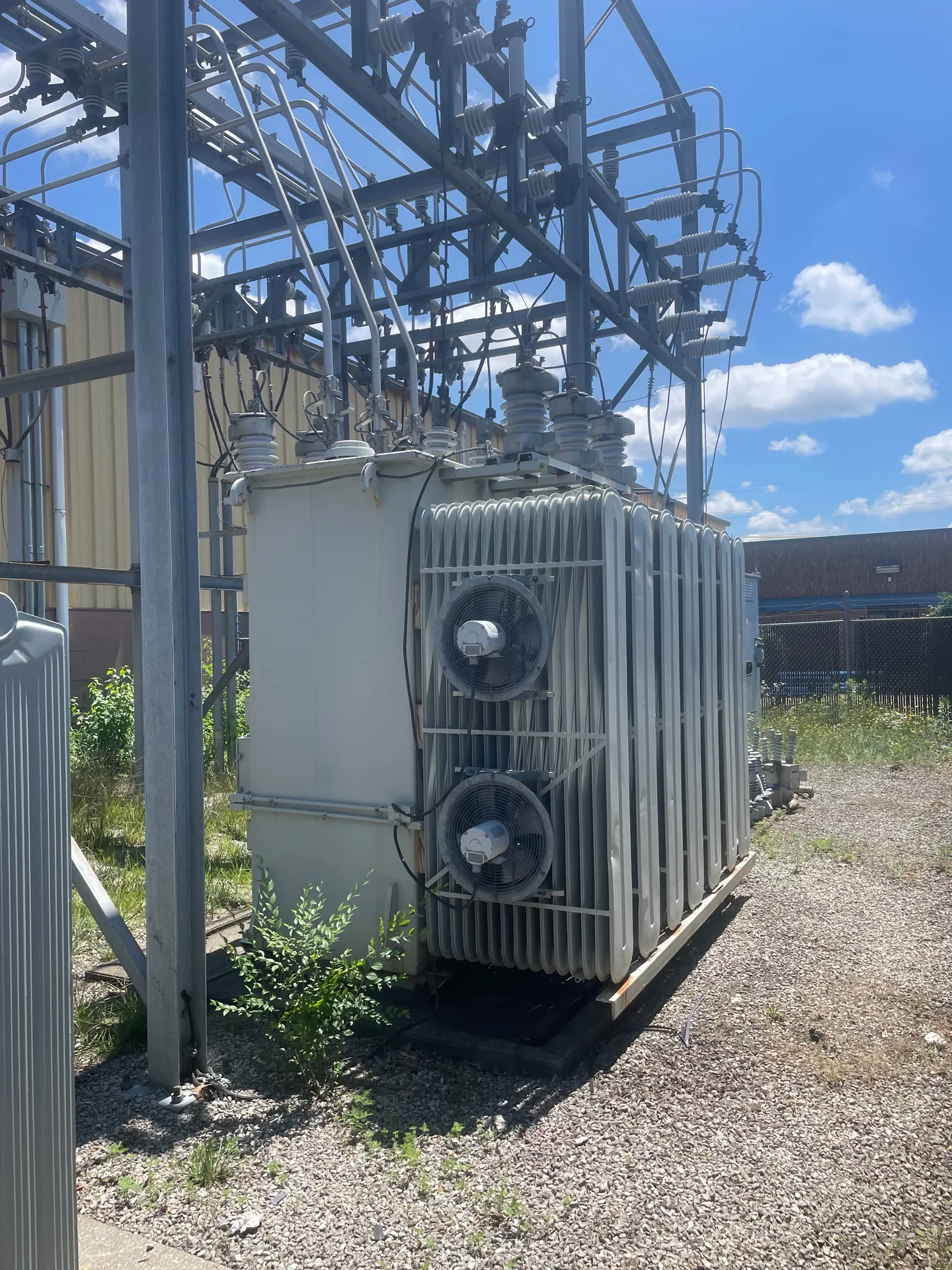
Who Buys Electrical Transformers Near Me
Searching for “who buys electrical transformers near me” usually means you want a practical local outcome without assuming a local buyer exists. Many capable nationwide buyers will begin with photos, nameplate data, and service records to estimate interest and provide a preliminary indication of value. Whether they can actually pick up the unit depends on your site, access, and timeline. This page explains what buyers look for, how logistics affect offers, and how to compare buyers and realistic alternatives.
Evaluation starts with facts
Share the manufacturer, rating, voltage, phase, condition, quantity, and location before discussing value or pickup.
How remote evaluations generally start
Buyers commonly rely on remotely available information to determine if a transformer merits further interest. Clear nameplate photos, images of each side, and any test or service records let a buyer judge ratings, design type, and visible condition. Remote review narrows possibilities and identifies follow-up questions, but it does not replace on-site inspection. Expect preliminary feedback that identifies potential reuse markets and lists the data or visits needed before a firm purchase commitment.
bullets
- Nameplate essentials: kVA/MVA, primary/secondary voltages, phase, and frequency
- Manufacturer and model to assess spare-part availability and demand
- Visible condition: tank, bushings, paint, and obvious corrosion or damage
- Existing test records: turns-ratio, insulation resistance, and recent DGA or service reports
- Quantity and whether units are matched sets or single spares
Technical factors that drive interest and preliminary offers
Technical specifications make the first difference in reuse value. Buyers look at kVA or MVA, voltage combinations, phase, frequency, cooling/design type, and short-circuit capability because these determine compatibility with potential end uses. Nameplate fields like vector group and serial numbers help verify capacity and trace maintenance history. Older or uncommon designs can reduce buyer interest even if cosmetically intact, while recent test records may offset some age concerns.
bullets
- Ratings: kVA/MVA and primary/secondary voltages determine market fit
- Design: cooling class, vector group, core type, and connections influence reuse
- Age and condition: service life, visible wear, and documented repairs
- Test/service history: recent, verifiable reports reduce perceived risk
How logistics, site access, and timing affect feasibility
Even when a buyer is technically interested, removal feasibility often governs what they will offer. Site access, gate and road clearances, presence of lifting points, and laydown areas for cranes or forklifts increase or decrease handling costs. Distance to freight terminals, specialized trailer needs, and required permits for overweight or oversized loads further change net value. Buyers will ask about site constraints and expected removal windows because timeline pressure can raise costs or limit options.
bullets
- Access: gate width, overhead obstructions, and road condition to the unit
- Rigging: documented lifting points and whether on-site riggers are available
- Loading and freight: proximity to flatbeds, need for special-haul carriers, and staging area
- Timeline: desired removal date, site working-hour restrictions, and permit lead times
Comparing buyers: clarity, scope, and risk allocation
When you receive interest, compare not just headline price but the offer’s scope and contingencies. Request written detail on what the buyer will inspect, what is included (disconnecting, fluid handling, permits), and which party is responsible for each task. Avoid vague offers that simply promise a price without specifying required documentation, conditions that trigger price adjustments, or who arranges rigging and transport. Clear terms reduce surprises on pickup day and help you weigh net outcomes reliably.
bullets
- Does the buyer require on-site inspection before finalizing price?
- Who is responsible for de-energizing and disconnecting — you, your contractor, or the buyer?
- How are hidden defects, trapped fluids, or missing paperwork handled?
- What proof of ownership is required and how will payment be processed after conditions are met?
When a direct sale isn’t available: alternatives to consider
Not every transformer will get a direct purchase offer. Older, damaged, or nonstandard units may have limited reuse value. Reasonable alternatives include listing with a broker to reach niche buyers, selling at auction for a faster transaction with variable results, selling to recyclers who handle end-of-life fluids and metals, or arranging qualified disposal when equipment is unsafe. Each route involves different timelines, costs, documentation, and environmental considerations — evaluate them against your project schedule and responsibilities.
bullets
- Broker or consignment: broader market reach but usually longer timelines and fees
- Auction: fast sale with variable results, suitable for large lots
- Recycler: recovers metals and arranges fluid handling; may require draining by licensed contractors
- Qualified disposal: necessary for unsafe or unserviceable equipment under applicable rules
How to prepare before contacting buyers
Gathering core data beforehand speeds evaluations and yields more useful offers. Provide clear nameplate photos, a concise equipment list with ratings and serial numbers, copies of recent test and service records, and photos of site access routes. Be transparent about ownership and any known issues. If fluids are present, report whether samples or certifications exist and note who will handle sampling or draining. See our service-area hub and our nationwide buyer guidance for related information on logistics and regional considerations.
bullets
- Collect: nameplate photos, serial numbers, test/service records, and quantity
- Document site: photos of access, gates, and lifting areas plus nearest highway or rail access
- Prepare ownership documents or authorization to sell and note any environmental permits
- Engage qualified electricians, riggers, or environmental contractors for required disconnection or fluid work as regulated
Common questions
Practical answers before you call
One clear next step