Who Buys Used Electrical Transformers Near Me
Searching “who buys used electrical transformers near me” usually means you want a practical sale and a clear removal plan, not necessarily a nearby office. Many capable nationwide buyers can make a preliminary evaluation from photos and records; whether they can arrange pickup depends on unit size, site access, and local rigging resources. This page explains what buyers look for, how logistics affect pickup, how to compare offers, and what to do if a direct purchase isn’t feasible.
Evaluation starts with facts
Share the manufacturer, rating, voltage, phase, condition, quantity, and location before discussing value or pickup.
What remote evaluations focus on
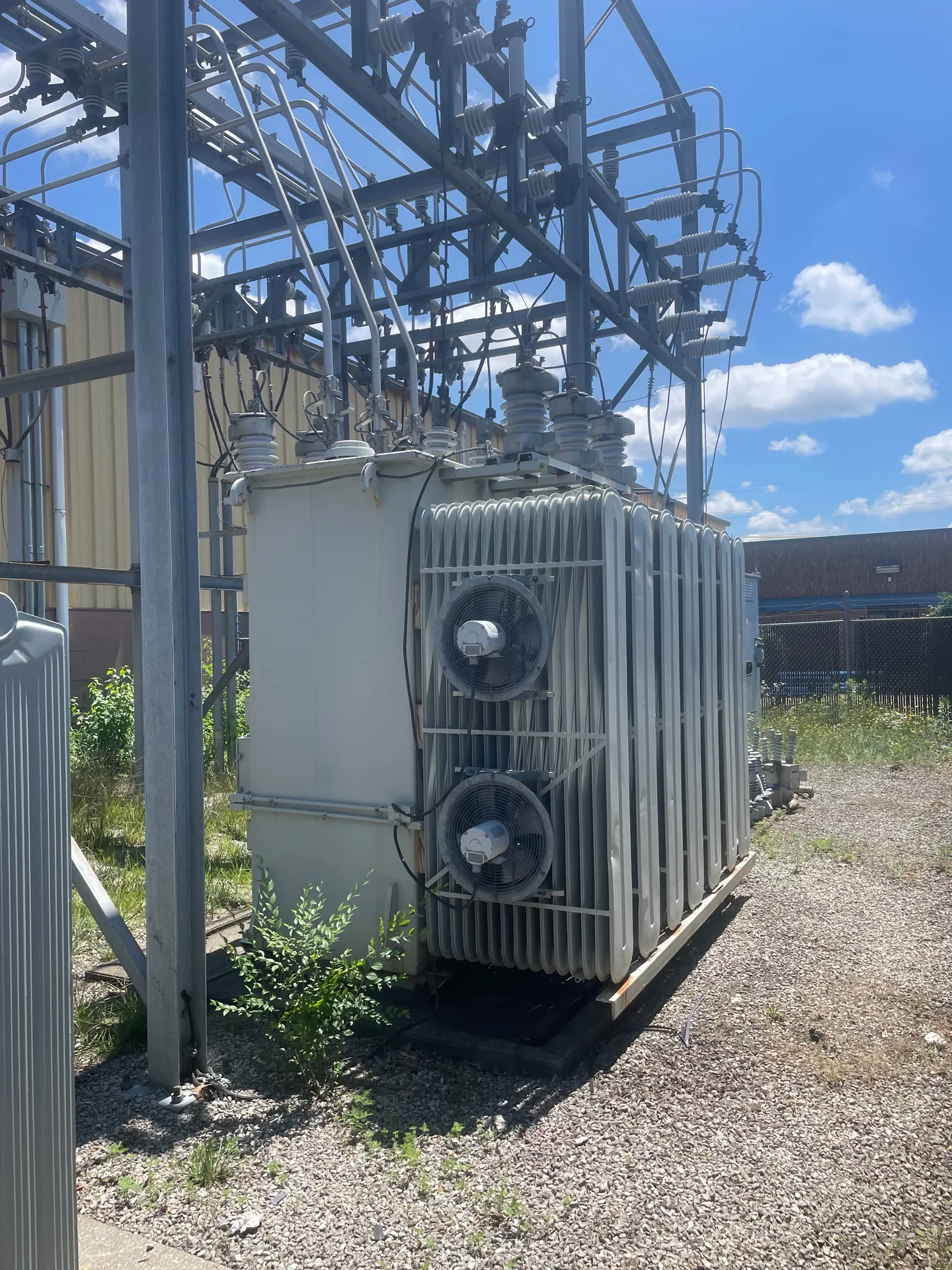
Remote evaluations begin with objective, nameplate-level details and supporting documentation. Buyers use manufacturer, kVA or MVA rating, primary and secondary voltages, phase, and frequency to determine basic compatibility and resale potential. Design type—padmount, substation, dry-type, or liquid-filled—plus model/serial numbers and visible condition narrow interest. Recent test and service records move a buyer from a ballpark estimate toward a firmer offer.
Photographs that clearly show the nameplate and the overall condition are especially valuable. Include images of bushings, cooling surfaces, tanks or enclosures, and any corrosion, dents, or oil stains. Indicate unit counts and whether units are identical; multiple matching units are often more attractive than a single one-off. Be candid about known issues to avoid surprises later in the process.
- Close-up nameplate photos (serial, kVA/MVA, voltages, phase, frequency)
- Manufacturer and model information
- Overall condition shots showing tank, bushings, and cooling surfaces
- Recent test/service reports (DGA, turns-ratio, insulation resistance, hipot)
- Unit counts, approximate weights, and footprint dimensions
How logistics and site conditions control pickup feasibility
An accepted price does not automatically guarantee on-site removal. Buyers and haulers assess ownership documentation, access roads, gate and driveway widths, overhead clearances, and the availability of crane or forklift support. The physical route from the transformer to the transport vehicle—through gates, across parking lots, or under lines—can change removal complexity substantially.
Other logistics that affect feasibility include required permits, escort needs for oversized loads, and local rules for handling insulating fluids. Freight distance and weight-related transport limits will influence cost and scheduling. In many cases a nationwide buyer will coordinate with a local rigging or hauling firm rather than supplying their own crew, so pickup depends on local contractor availability.
- Site access: width of roads, gates, and overhead obstructions
- Rigging needs: crane capacity, skid or jack requirements, staging space
- Transport considerations: distance to main haul routes and load permits
- Ownership and paperwork: titles, surplus declarations, or sale authorization
- Environmental handling: fluid containment or testing requirements
Document checklist to speed realistic offers
Providing complete documentation up front reduces back-and-forth and helps buyers give realistic, written offers. Pull together nameplate photos, serial/model references, service histories, and any DGA or electrical test reports you have. Note the number of units, their locations on site, and approximate weights and dimensions so buyers can estimate rigging and freight.
Also prepare information about ownership and site-specific constraints. Indicate if units are de-energized and isolated, whether access requires special hours or security clearances, and if there are any environmental concerns such as oil leaks or suspect dielectric fluids. Honest, detailed disclosures reduce the chance of an offer being withdrawn after inspection.
- High-resolution nameplate and overall condition photos
- Available test reports and maintenance/service records
- Counts, weights, and footprint measurements
- Ownership documentation or surplus authorization
- Notes on site access, security requirements, and any fluid issues
How to compare offers and confirm what’s included
Not all price quotes include the same services. When comparing offers, look beyond the headline number to the written scope: who pays for rigging, loading, and freight; the removal timeline; payment timing and method; and any conditions or certifications required at pickup. A higher nominal price can be offset by expensive removal responsibilities left to the seller.
Clarify whether the buyer intends to reuse the transformer, resell it, consign it to auction, or recycle it for scrap. Purpose affects required test documentation and acceptance criteria. Ask for a written agreement that specifies responsibilities for permits, environmental testing, and contingencies if a unit fails inspection at the time of removal.
- Is the transaction an outright purchase, brokered sale, or consignment?
- Who organizes and pays for rigging, loading, and transport?
- Specified removal timeline and payment terms in writing
- Requirements for testing, certifications, or pre-shipment inspections
- Contingency language if a unit fails post-agreement inspection
Alternatives when a direct buyer won’t make an offer
Some transformers—obsolete designs, severely damaged units, or units with suspected PCB contamination—may not attract direct buyers. In those cases consider other channels: equipment auctions for broader market exposure, specialist brokers who can find niche buyers, recyclers who value material recovery, or qualified disposal through environmental contractors when reuse or resale isn’t viable.
Each alternative has trade-offs in timeline, documentation, and net return. Auctions can yield competitive pricing but require time and fees; brokers may take a commission but access niche demand; recyclers and disposal contractors provide compliant removal for units unsuitable for reuse. Choose based on how quickly you need the equipment cleared and what documentation is required for compliance.
- Auction: wider exposure, variable timing and fees
- Broker: access to niche or overseas buyers for specialized units
- Recycler: material recovery for damaged or contaminated units
- Qualified disposal: compliant removal when reuse or resale isn’t possible
Common questions
Practical answers before you call
One clear next step