Who Pays Cash for Electrical Transformers?
If you’re asking “who pays cash for electrical transformers?” you want a practical, honest answer that helps you move equipment responsibly. Cash offers typically come from direct surplus buyers, electrical equipment resellers, specialized brokers, and in some cases recyclers who handle salvageable components. Whether a buyer will make a cash offer depends on technical fit, condition, paperwork, location, and current demand — not every unit will qualify. This guide explains the decision points and shows how to prepare for a faster, safer review.
Evaluation starts with facts
Share the manufacturer, rating, voltage, phase, condition, quantity, and location before discussing value or pickup.
Which buyers commonly pay cash — and why
Several buyer types may pay cash when a transformer matches their needs. Direct surplus buyers and equipment resellers purchase usable units to refurbish or resell. Brokers connect sellers with end users and dealers who may pay cash for specific specs. Some recyclers will pay for reclaimable copper or clean, drainable oil. The common thread is that a credible cash buyer needs confidence the transformer is usable, has clear ownership, and can be moved and sold without excessive cost or liability.
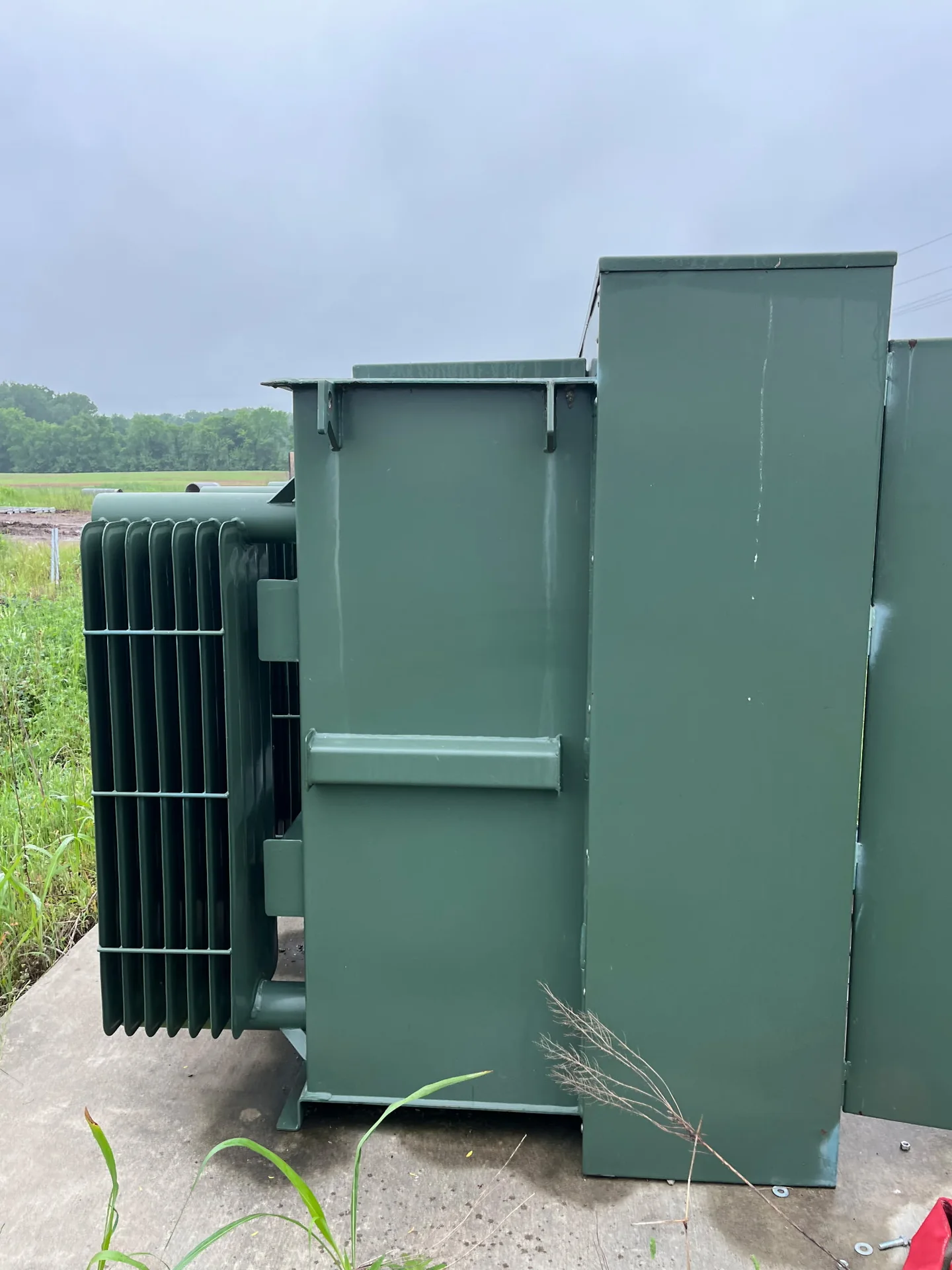
A practical example: a well-documented pad‑mounted distribution transformer from a commercial site may attract buyers who value its nameplate details and transportability. Conversely, a heavily weathered unit with missing labels and uncertain oil history often requires testing, remediation, or may be routed to metal recovery instead of resale. The presence of clear documentation and safe access usually moves a review forward more quickly.
Technical data buyers expect to see
Buyers evaluate technical specifications to determine compatibility and resale potential. The nameplate is the single most useful item because it lists the manufacturer, model, serial number, kVA (or MVA) rating, primary and secondary voltages, phase (single or three‑phase), frequency (Hz), impedance, temperature rise, and enclosure type. If the nameplate is missing or illegible, buyers will rely on clear photos and any available documentation, but missing data usually reduces interest or the offered price.
bullets": []
bullets2IncludedJustForSchemaCompatibilityNotUsed": [] /* keep structure valid */
bulletsRemovedBecauseSchemaDoesNotRequireMultipleBulletsSections": [] /* placeholder */
- Manufacturer and model — brand recognition can affect demand.
- kVA/MVA rating — indicates capacity and application.
- Primary and secondary voltage — critical for compatibility.
- Phase and frequency — single vs three‑phase and 50/60 Hz matters.
- Design type — pad‑mounted, dry‑type, oil‑filled, auto, isolation.
- Enclosure, cooling, and oil type — affect handling and environmental rules.
Condition, testing, and documentation
Condition and available test records strongly influence whether a buyer will make a cash offer. Functional, recently tested transformers with clear test reports or service records are easier to place for reuse. Buyers will ask about visible damage, signs of overheating, corrosion, missing bushings or panels, and whether any oil has been sampled for contaminants. If a transformer has unknown oil history, contains PCBs, or shows structural issues, buyers may decline or reduce an offer to account for testing, remediation, or disposal costs.
bullets": []
Logistics: ownership, access, rigging, and freight
Even a technically suitable transformer can be uneconomic to buy if logistics are difficult. Buyers consider clear title or ownership, whether the transformer is still installed or already disconnected, site access for forklifts or cranes, available loading points, and local restrictions for transport. Rigging complexity, permitting, and long haul freight add cost. Quantity matters too: single units are reviewed differently from lots. Clear answers about ownership, location, and access accelerate the review and help buyers estimate removal and transport costs.
bullets": []
How buyers form an offer — the practical decision path
Most buyers follow a predictable path: initial inquiry with photos and nameplate data, a condition assessment from images or records, a site visit or third‑party inspection when needed, and a written offer that reflects technical fit plus logistics and market demand. Offers factor in the cost to make a unit saleable (testing, repairs, cleaning), the cost to remove and transport it, and current buyer demand for that type and brand. Because market interest fluctuates, a satisfactory technical match does not automatically mean a cash offer.
bullets": []
If you don’t receive a cash offer: alternatives and safe next steps
If a cash offer doesn’t materialize, there are several appropriate alternatives: listing through an equipment broker or auction platform, selling components to a recycler, or arranging qualified disposal when a unit is unsafe or contaminated. Avoid energizing, moving, or opening a transformer unless performed by qualified electrical and environmental professionals in accordance with local regulations. Prepare clear photos, nameplate copies, ownership records, and any test reports to improve outcomes regardless of the chosen path.
bullets": []
Common questions
Practical answers before you call
One clear next step