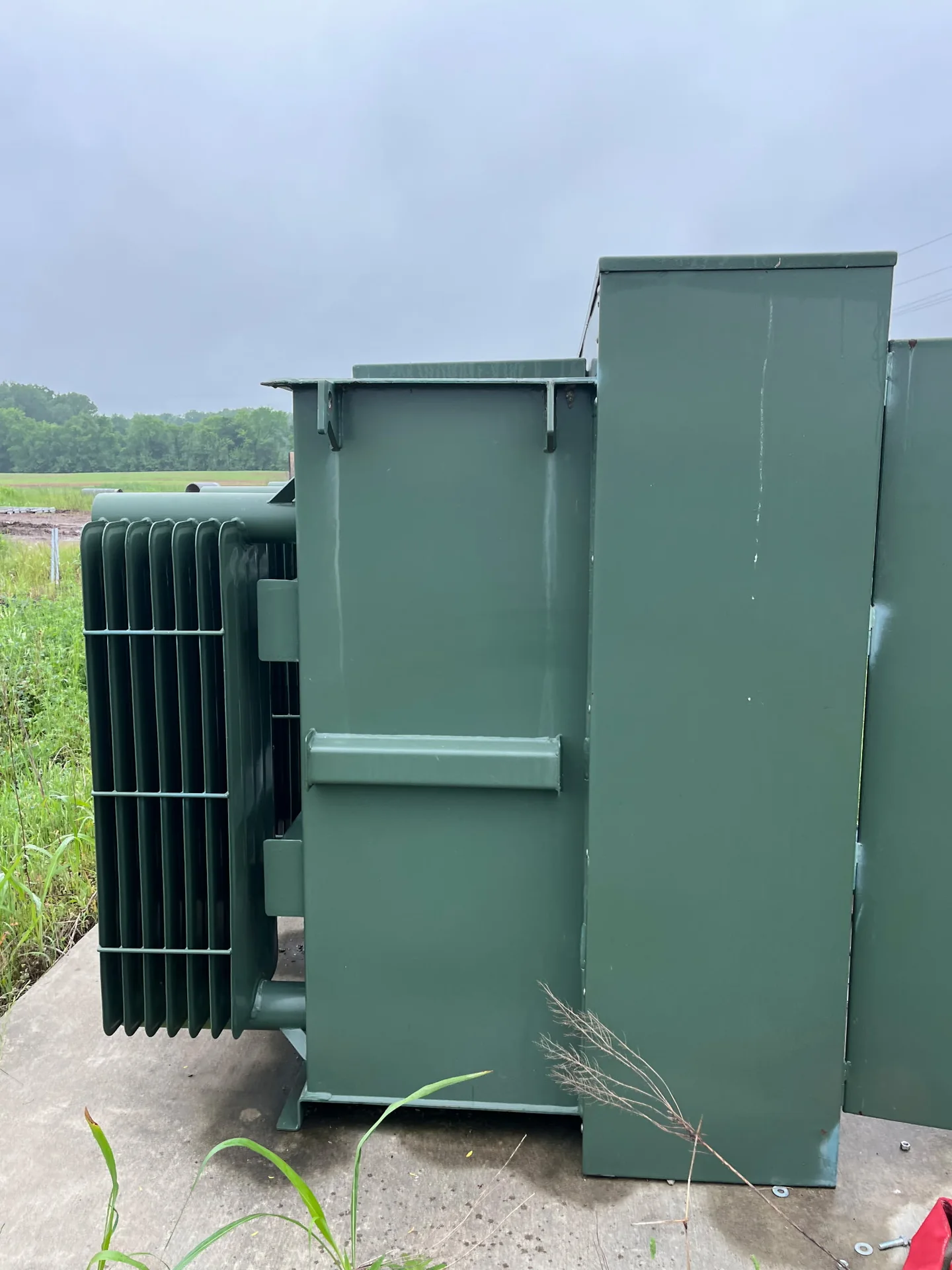
How Fast Can I Sell Used Electrical Transformers?
Short answer: there is no single timeline. The speed of selling a used electrical transformer depends on how quickly it can be identified, documented, and matched to a buyer who needs that particular specification. A unit with complete nameplate data, clear photos, service records, and easy access can be reviewed and quoted much faster than an unmarked, poorly documented, or inaccessible piece of equipment. This guide explains the technical and commercial factors that determine timing and offers practical next steps.
Evaluation starts with facts
Share the manufacturer, rating, voltage, phase, condition, quantity, and location before discussing value or pickup.
What buyers need first: identification and nameplate data
Buyers start by asking: what is it? The nameplate is the single most useful item. In plain terms, the nameplate is a metal tag or plate on the transformer that lists manufacturer, model/serial, kVA or MVA rating, primary and secondary voltages, phase (single- or three-phase), frequency (60 Hz or 50 Hz), impedance, and temperature-rise rating. If the nameplate is missing or unreadable, clear photos of the unit and any stamped markings help buyers identify it, but expect more follow-up questions.
Without that information, a buyer may need to schedule an in-person inspection or decline to make a specific offer. Providing readable nameplate photos and a concise description upfront reduces the back-and-forth that slows reviews and allows buyers to compare the unit to current demand.
- Take close-up, in-focus photos of the nameplate from multiple angles.
- Note the manufacturer and serial/model if visible.
- Record kVA/MVA and primary/secondary voltages and phase.
- Include frequency and enclosure/design type (pad-mounted, dry-type, oil-filled).
- List any available test or service records and removal history.
- State quantity and exact location (facility/yard), plus access notes.
Condition, age, and testing: how they affect interest
Condition matters. A transformer that was removed in good working order with recent test or maintenance records is easier to value and move than one with obvious corrosion, damaged bushings, or unknown operational history. Age is a factor but not decisive by itself; older equipment can be valuable if specifications match a buyer’s need and it was maintained or refurbished. Buyers rely on objective records (insulation tests, turns ratio tests, oil sample reports for liquid-filled units) to reduce uncertainty.
If you do not have test records, say so. Buyers will either request testing before purchase or adjust their offer to cover the uncertainty. Arrange any required diagnostic work only through qualified electrical professionals and comply with applicable safety and environmental regulations—do not attempt live testing or disconnection yourself.
Logistics: location, access, rigging, and freight
Where a transformer sits affects how quickly it can be removed and moved. Ground-level, palletized, or forklift-accessible units are generally quicker to load than units inside locked electrical rooms, on rooftops, or behind restricted access. Buyers need accurate access details: gate hours, required permits, clearances, and whether a crane or specialized rigging will be required. These items are logistical, not technical judgments, and they affect both timing and cost.
If the seller cannot provide removal or freight services, the buyer may quote a net price that assumes seller-arranged rigging and transport, or they may decline and recommend third-party rigging and hauling. Either way, coordinate removal through licensed riggers and transporters who understand transformer weights, center of gravity, and regulatory requirements for containment and handling of insulating fluids.
Commercial factors: quantity, ownership, and market demand
Market demand and quantity play a large role in timing. A single common distribution transformer may attract fewer immediate buyers than a lot of multiple compatible units that a buyer can deploy across projects. Ownership and clear title are essential—buyers want assurance the seller has authority to sell. If ownership is unclear, provide purchase records, surplus listings, or asset tags to speed review.
Buyer interest is cyclical and depends on project cycles, utility work, and manufacturing schedules. If a particular specification is in low demand, offers may be limited or absent. When a direct sale isn’t feasible, alternatives include listing at auction, working with a specialized broker who has access to niche buyers, selling for scrap to metal recyclers, or arranging qualified disposal. Each route has different timelines and documentation requirements.
How the review and sale process usually unfolds
Most commercial sales follow a predictable sequence: initial inquiry, document and photo review, questions and clarification, inspection or tests if required, offer or decline, and then logistics planning for removal and payment. The duration of each step varies widely based on the quality of information provided and logistical constraints. Expect more correspondence if key details are missing or if specialized testing is requested.
Because offers depend on specifics, avoid listing a transformer as “available” without attaching the nameplate photos and condition notes. Clear, organized initial submissions reduce review time and help buyers prioritize units that match immediate needs.
Practical next steps to move a sale forward safely
To accelerate review: gather readable nameplate photos, take full-unit images from several angles, prepare any maintenance or test reports, note exact location and access constraints, and list how many units are available. Identify whether the unit is still energized or already disconnected; if energized, state when qualified disconnection will be possible. Do not attempt electrical work yourself—hire licensed electricians or rigging professionals and follow local rules.
After you compile information, reach out to one or more potential buyers or brokers and ask exactly what additional documentation they need. If you are uncertain about value or disposition, request a review for potential reuse before committing to scrap or disposal. Comparing multiple options—direct buyers, brokers, auctions, and recyclers—gives a clearer picture of timing and outcomes.
Common questions
Practical answers before you call
One clear next step