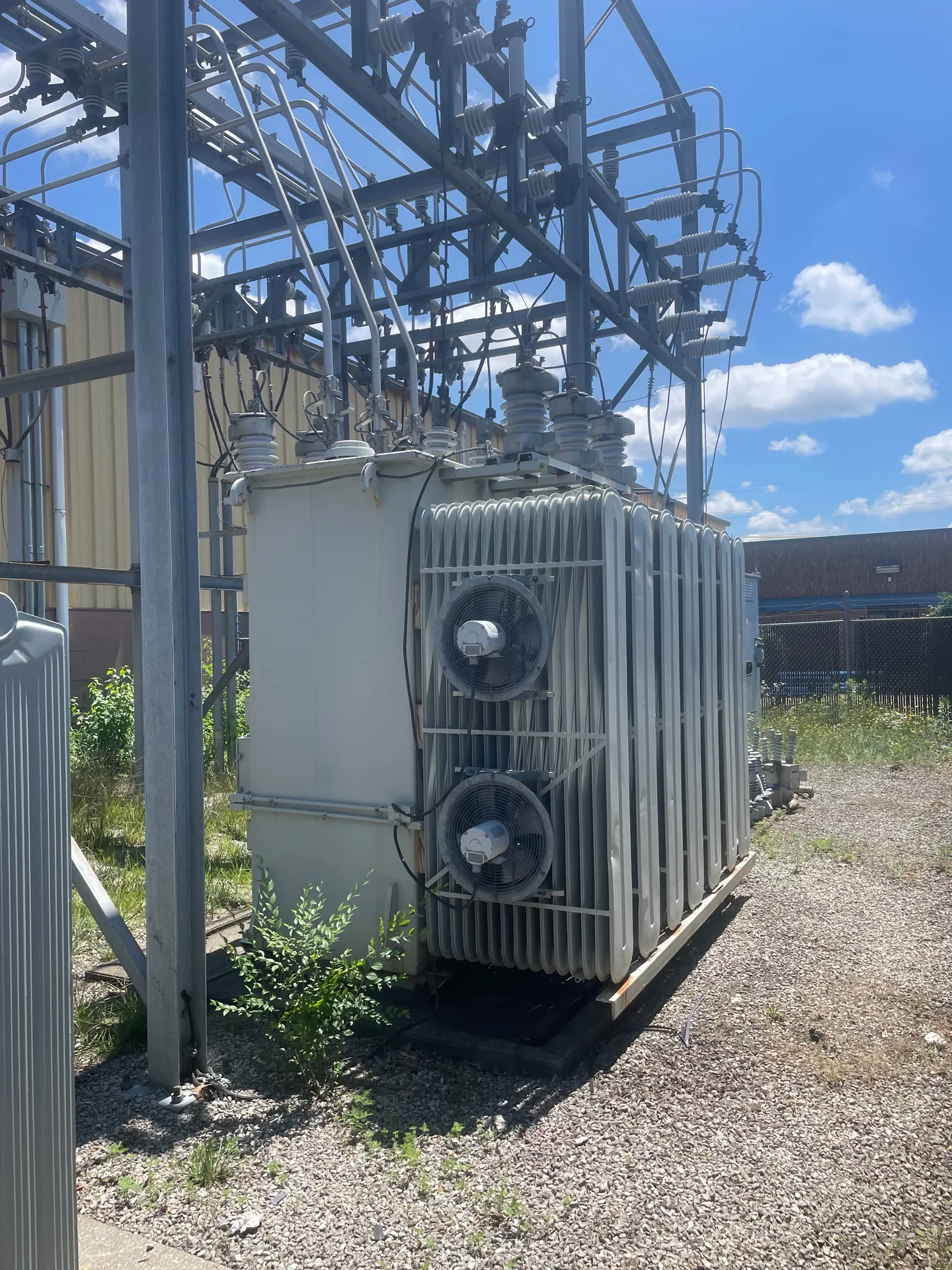
Where to Sell Commercial Electrical Transformers
Short answer: start with a direct equipment buyer that specializes in electrical distribution assets, and compare that option against auctions, brokers, recyclers and scrap yards. Each route suits different conditions—quality, quantity, documentation, accessibility and timeline matter. Read on to decide which path fits your project and what information buyers will need to qualify, value and schedule removal of commercial transformers.
Evaluation starts with facts
Share the manufacturer, rating, voltage, phase, condition, quantity, and location before discussing value or pickup.
Immediate answer: which buyer fits your transformer?
If the transformer is intact, identifiable by nameplate, and likely reusable, a direct equipment buyer who knows commercial electrical gear is often the best first contact. If the unit is heavily damaged, contaminated, or has no documentation, a recycler or scrap yard may be appropriate. Auctions and brokers can help when you have lots or unusual equipment and want broader market exposure. The right route depends on condition, quantity, paperwork and the time you have.
bullets
- Direct equipment buyer: best for intact, spec-driven units with readable nameplates and test/service records.
- Auction: useful for unusual, one-off items or when wide exposure may increase competitive bids.
- Broker: helpful if you prefer a managed sale that seeks specific buyers but expect broker fees.
- Recycler/scrap yard: appropriate for badly damaged or contaminated units lacking reuse potential.
How buyers differ and what each typically checks
Different buyers evaluate different criteria. A specialized equipment buyer will focus on electrical specifications and documentation—manufacturer, serial, kVA/MVA, primary and secondary voltages, phase, frequency and design type—because those determine reuse value. An auction house emphasizes provenance and marketing appeal. A recycler focuses on materials and any hazardous fluids. Brokers perform outreach and vet buyers on your behalf. Knowing what each party inspects helps you route the unit efficiently.
bullets
- Equipment buyers: nameplate, service/test records, enclosure type, condition, quantity, and removal status.
- Auctions/brokers: documentation, photos, and shipping or pickup terms to market to wider buyers.
- Recyclers/scrap yards: fluid presence, core/metal content, and ease of recovery.
What buyers need to qualify and value a transformer
To get a realistic review, supply clear photos and the nameplate if available; the nameplate is the most important single item because it lists kVA/MVA, primary/secondary voltages, phase, frequency, manufacturer, model and serial. Buyers also consider age, design (dry-type, oil-filled, pad-mounted, distribution vs. power), condition, test or service records, quantity, ownership documentation, and current market demand for that model and size. Missing details don’t doom a sale, but they increase uncertainty and may lower offers.
bullets
- Essential nameplate fields: manufacturer, kVA/MVA, primary/secondary voltages, phase, frequency, model and serial.
- Condition inputs: visible damage, corrosion, enclosure integrity, presence of fluids and whether unit was removed working.
- Operational evidence: recent test or service records, load history and date of last maintenance.
- Logistics factors: location, accessibility, clearances, rigging needs, and total quantity.
Buyer due diligence and transaction documents
Serious buyers will perform due diligence before finalizing an offer. That may include a remote review of photos and documents, followed by an on-site inspection or third-party test. Expect requests for proof of ownership, bills of sale, written removal authorization if the unit is on leased property, and documentation of any known environmental issues. Formal offers should be in writing and specify what is included, payment terms, pickup responsibilities and timing. Always confirm the scope of what the buyer will accept.
bullets
- Common transaction documents: written offers, bills of sale, removal authorizations, and liability transfer forms.
- Inspection items: nameplate verification, condition photos, and any available test reports.
- Clarify who arranges and pays for disconnection, rigging, containment and transport—these are usually handled by qualified contractors, not the seller.
Pickup planning: logistics, rigging and timing to expect
Pickup planning can determine whether a buyer will make an offer. Buyers need to know site access, weights and dimensions, available lifting points, whether a forklift or crane is required, door and gate clearances, staging areas and whether the unit sits indoors or outdoors. Freight routing, permits, and any fluid handling (transformer oil) may affect cost and timing. All disconnection, testing, fluid handling and rigging work should be performed by qualified contractors under applicable codes and permits.
bullets
- Provide: unit weight/dimensions if available, photos of access routes and surrounding space, and any known rigging constraints.
- Consider timeline: short-notice removals may carry premium logistics fees; planned pickups allow better coordination.
- Coordinate with building management early to secure access, parking and any required escorts or permits.
Warning signs and alternatives if you don’t receive an offer
Not every transformer will receive a reuse offer. Common red flags include buyers who push for upfront payments, refuse written terms, offer only vague verbal commitments, or decline to verify ownership. If a direct buyer declines, consider an auction for unusual items, a broker to reach specialized markets, or a recycler for cores and scrap material. For units with environmental concern, engage approved disposal channels. Honest communication about condition and documentation will reduce surprises and help you choose the best path.
bullets
- Red flags: pressure for immediate decisions, no written offer, requests for release of equipment before payment confirmation, or vague removal responsibilities.
- If no reuse offers: auction, brokered sale, recycler, or certified disposal are realistic alternatives depending on condition and documentation.
Common questions
Practical answers before you call
One clear next step