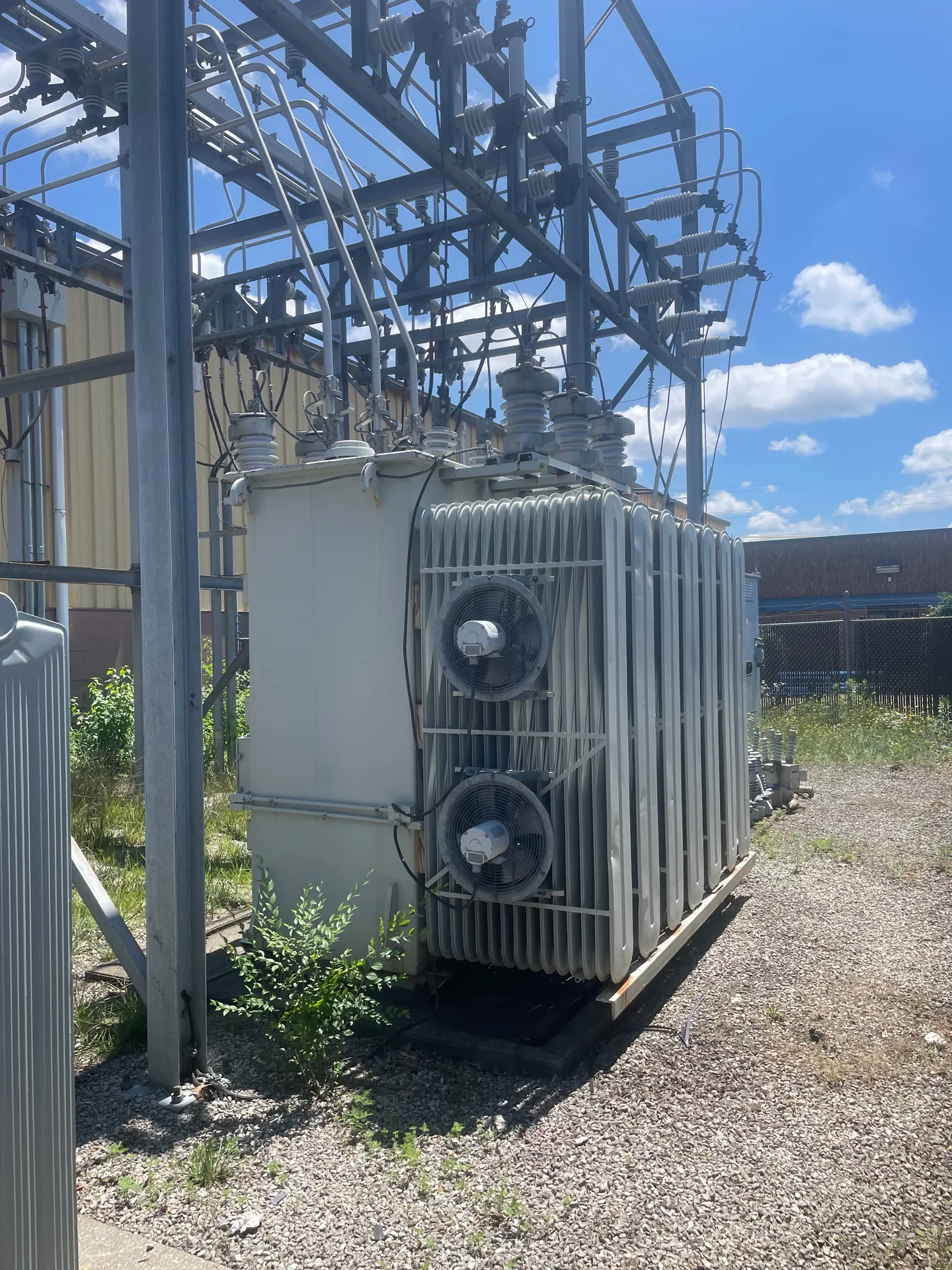
Where Can I Sell Surplus Electrical Transformers?
Answering “Where can I sell surplus electrical transformers?” starts by choosing one of five routes: a specialist equipment buyer, an industrial auction, a broker, a metal recycler, or a scrap yard. Each path serves different goals—rapid removal, maximizing resale value, liquidating many units, or disposal. For recoverable value beyond scrap, a direct electrical-equipment buyer that reviews nameplate data, specs, condition, and records is usually the most efficient first step.
Evaluation starts with facts
Share the manufacturer, rating, voltage, phase, condition, quantity, and location before discussing value or pickup.
Choose the right sales route for your asset
Match your objective to a selling route before gathering details. Choose a specialist buyer if you want an offer based on technical specs and current demand. Consider an auction when competitive bidding could raise price for rare or high-value units. A broker can market to multiple buyers for a commission when you prefer hands-off coordination. Use a recycler or scrap yard when units are nonfunctional or contaminated and disposal, not resale, is the priority.
These options are not mutually exclusive. If a buyer declines, listing at auction or engaging a broker can be a fallback. Conversely, routine scrap offers may be lower than specialist resale offers for identifiable, serviceable transformers. Be honest about your timeline, condition, and paperwork before selecting a route; logistics and asset condition often determine the best outcome more than the sale format alone.
- Specialist buyer — technical review, potential resale value
- Auction — competitive bidding for uncommon, high-demand units
- Broker — broader market reach for a commission
- Recycler/scrap yard — disposal when resale isn’t viable
What buyers need to qualify a transformer
Buyers qualify surplus transformers primarily from nameplate data and condition. Key nameplate details include manufacturer, model/serial numbers, kVA or MVA rating, primary and secondary voltages, phase (single/three-phase), frequency, impedance, and design type (dry-type, oil-filled, pad-mounted, etc.). Photographs of all sides and a readable nameplate accelerate review and reduce follow-up questions.
Beyond the nameplate, include age, visible condition, and any test or service records. Buyers will ask whether the unit was removed, palletized, energized at removal, or has been stored indoors. Quantity and ownership documentation matter: single units sell differently than pallet lots. Location and site access information—indoor electrical room, fenced yard, rooftop, or pad—are essential for planning removal and cost estimates.
- Essential: manufacturer, kVA/MVA, primary/secondary voltage, phase, frequency, design type
- Helpful: serial/model numbers, impedance, temperature rise, insulation type
- Operational history: age, last service/test records, removal status
- Logistics: quantity, ownership papers, location, access, and obstacles
How buyers calculate value
Valuation blends technical fit, condition, and current market demand. Buyers check whether specifications match active projects or their inventory needs. Brand and model can influence price if replacement parts and demand are higher; size (kVA/MVA), voltage class, and phase determine usability. Age and condition—corrosion, missing panels, evidence of overheating—reduce offers, while recent test records or recent rebuilds can increase value.
Other inputs include quantity (bulk lots often attract different buyers), transport complexity, and anticipated removal cost. Environmental concerns such as fluid handling or suspected contamination are factored into offers and may shift a unit toward recycling or disposal if remediation is required. A realistic expectation: not every surplus transformer will receive a meaningful resale offer; some will be scrap or require qualified disposal.
- Specification match to current demand
- Brand, age, and condition
- Available test/service records and documentation
- Removal, freight, and environmental handling costs
Buyer due diligence and transaction documents
Expect prospective buyers to request clear photos, nameplate details, and proof of ownership. For higher-value deals they may ask for recent test reports, maintenance logs, or load history. Transaction documents commonly include a bill of sale, removal authorization, and a written purchase confirmation stating price, pickup window, and responsibilities. Ensure identity and ownership are documented to prevent delays in transfer.
Because disconnection, de-energization, and transport involve electrical, rigging, and environmental risks, buyers will clearly state that such work must be performed by qualified contractors under applicable regulations. Do not sign paperwork that shifts undisclosed liabilities onto you; clarify who will arrange and pay for disconnects, permits, fluid handling, or hazardous-waste management before final agreement.
- Typical documents: photos, bill of sale, removal authorization, purchase confirmation
- Buyers may require test records or proof of ownership for high-value units
- Qualified contractors must handle disconnection, rigging, and fluid handling
Planning pickup, rigging, and freight
Logistics are frequently the biggest value driver. Provide precise access details—ground-level, forklift access, steps, clearances, gates, overhead obstructions, and nearest roadway. Large power transformers often need specialized rigging, cranes, permits, and heavy-haul freight. Buyers will estimate removal cost or ask you to arrange removal with a qualified mover. If onsite disconnect or permitting is required, allow extra time in your timeline.
Coordinate schedules early: weekends, restricted site hours, and coordination with other contractors can add complexity. For units containing oil, buyers will confirm whether fluids remain and their condition; fluid handling must follow environmental rules and be handled by qualified parties. Misstating access or underestimating rigging needs is a common reason offers are reduced or rescinded at pickup.
- Describe exact access: forklift, crane, door sizes, and clearances
- Confirm who arranges disconnection, permits, and rigging
- Anticipate extra time and cost for large or hard-to-access units
- Fluid handling and environmental compliance require qualified contractors
Warning signs and sensible next steps
Watch for low-ball offers that ignore nameplate details or refuse photos and documentation requests. Unclear payment terms, lenders or buyers insisting on unusual paperwork, or refusal to discuss removal responsibilities are red flags. If a buyer cannot explain their resale market or asks you to certify technical work you didn’t witness, pause and seek alternatives. Reputable buyers will ask technical questions and make offers that reflect specs and logistics.
If a direct buyer passes, viable alternatives include listing at an industrial auction, hiring a broker to canvass markets, or arranging recycling/disposal for non-resale units. Each option has trade-offs: auctions may take time but can surface bidders for niche units; brokers add fees but broaden reach; recyclers and scrap yards provide disposal but typically offer lower value. Choose based on timeline, risk tolerance, and the transformer’s condition.
- Red flags: vague offers, odd paperwork demands, no site or spec questions
- If resale fails: consider auction, broker, or qualified recycling/disposal
- Always require qualified professionals for electrical and rigging work
Common questions
Practical answers before you call
One clear next step