Where Can I Sell Used Electrical Transformers?
Short answer: if the unit is serviceable and identifiable, begin with a specialized transformer buyer who understands nameplate data, kVA/MVA, voltages, phase, design type, test records, and logistical constraints. If the unit is damaged, contaminated, or lacks identification, evaluate auctions, brokers, or recyclers as alternatives. Before contacting anyone, document the nameplate, take clear photos, note ownership and location, and summarize access, rigging and timeline constraints to speed evaluation.
Evaluation starts with facts
Share the manufacturer, rating, voltage, phase, condition, quantity, and location before discussing value or pickup.
Which buyer types handle used transformers and how they differ
There are four main selling routes: direct equipment buyers, auctions or online marketplaces, brokers, and recyclers/scrap yards. Direct buyers focus on reuse, refurbishment, or parts and will inspect technical specs such as manufacturer, kVA/MVA, primary and secondary voltages, phase, frequency, and design type. Auctions reach broad audiences but add time and seller fees. Brokers can match specialized demand but introduce intermediaries and commissions. Recyclers pay for material value and are practical when reuse isn’t viable.
bullets
- Direct buyers — evaluate technical fit and logistics for resale or parts.
- Auctions/marketplaces — wide exposure; timing and final price can be uncertain.
- Brokers — search for niche buyers but usually charge fees and lengthen the process.
- Recyclers/scrap yards — focus on metal and core value when a unit has no reuse path.
What information accelerates a buyer’s qualification
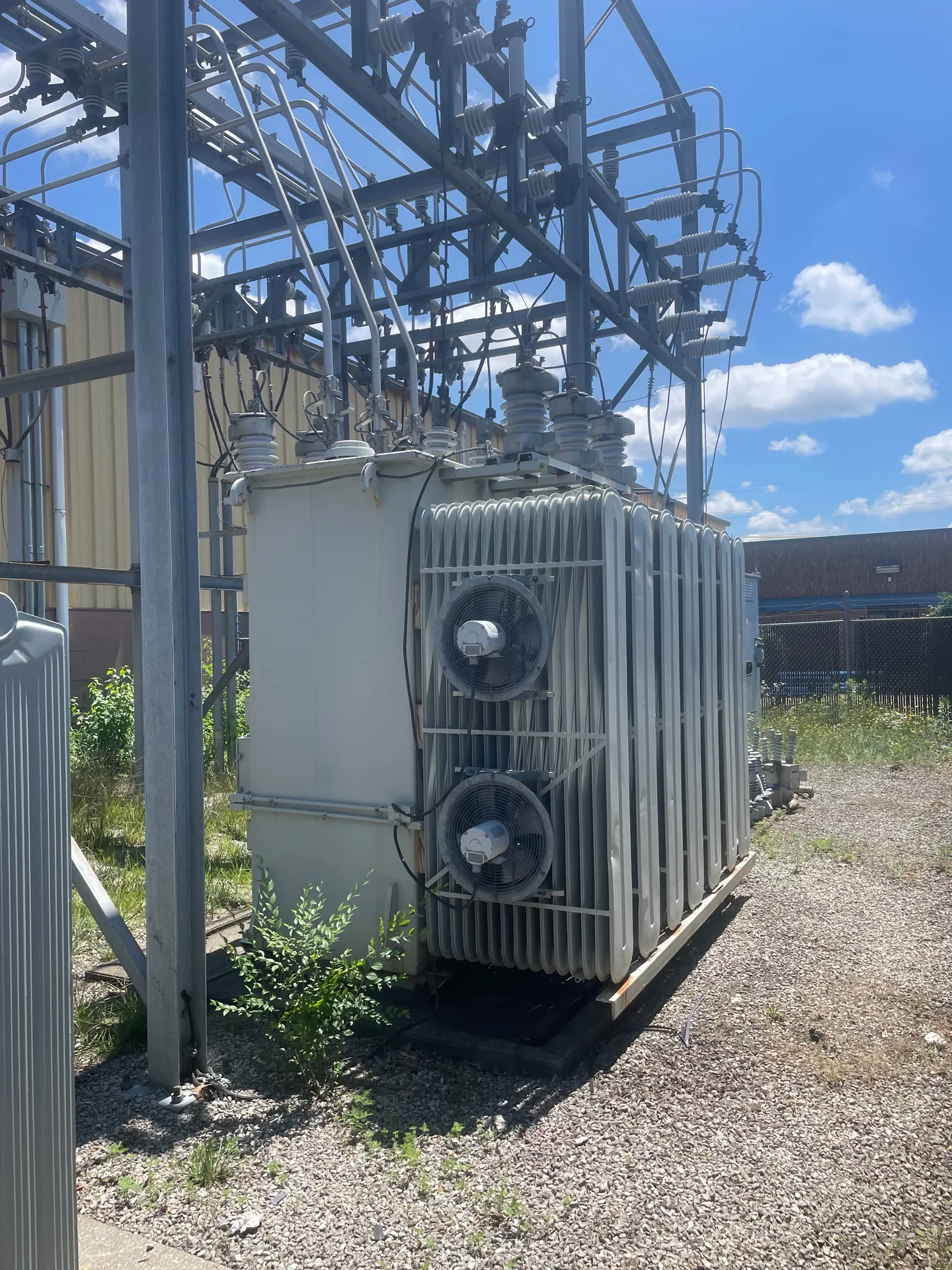
Buyers qualify a transformer primarily from nameplate data and visual condition. Provide close-up photos of the nameplate showing manufacturer, serial number, kVA/MVA, primary and secondary voltages, phase, frequency, impedance, and temperature rise if present. Supplement with pictures of bushings, enclosure, oil sight gauges (for oil-filled units), and any damage. Also state age, last service or test records, whether it was working at removal, quantity of units, and proof of ownership to avoid title issues.
bullets
- Essential: readable nameplate photo and full-unit images from multiple angles.
- Helpful: serial number, service/test reports, operating history, and part numbers.
- Site details: installed vs disconnected, indoor/outdoor, forklift/crane access, and transport constraints.
- Quantity: single unit vs multiple-unit lots or bundled electrical surplus can change interest.
How buyers value used transformers
Valuation blends technical suitability and logistics. Technical inputs include kVA/MVA rating, voltage class, phase, manufacturer reputation, insulation type (dry or oil-filled), design features, and available test data. Buyers assess whether the unit fits common reuse markets, parts demand, or refurbishment pathways. Logistics such as location, site access, required rigging, loading difficulty, freight distance, and any environmental handling for oil-filled units are deducted from gross interest to produce a net offer.
bullets
- Higher interest: common voltage classes, reputable brands, intact nameplate and test records.
- Lower interest: contaminated oil, missing ID, severe structural or winding damage.
- Logistical discounts: confined rooms, heavy pad-mounted units in vaults, or remote sites.
- Market demand: seasonal or regional shifts in demand for specific kVA ranges and voltage classes.
Buyer due diligence and typical transaction documents
A qualified buyer will perform due diligence before finalizing terms. Expect requests for additional photos, verification of serial numbers, copies of service or dielectric tests, and proof of ownership. For high-voltage or valuable units, a site inspection or third-party test may be required. Typical paperwork includes a purchase agreement or bill of sale that lists equipment, condition disclosures, transfer of ownership terms, and who is responsible for removal, freight, and any required environmental documentation.
bullets
- Due diligence: extra photos, test data, and site inspection for larger units.
- Documents: bill of sale or purchase agreement with clear logistics and liability terms.
- Environmental: forms or disclosures for oil-containing units; qualified handling is required.
- Clarify responsibilities in writing before any work begins to avoid later disputes.
Planning pickup, transport, and timeline expectations
If an offer is accepted, confirm who will arrange rigging, loading, and freight. For installed equipment, disconnection and de-energization must be done by licensed electrical contractors following applicable requirements; buyers and sellers negotiate who pays for those services. Large pad-mounted or substation transformers often need cranes, specialized trailers, and permits, while indoor dry-type units may be forkliftable. Build extra time for arranging qualified movers, permits, and any required environmental paperwork.
bullets
- Confirm who provides rigging crew, cranes, and freight carriers in writing.
- Check site access, gate hours, and permit needs before scheduling pickup.
- Use qualified contractors for disconnection, testing, and fluid handling under applicable rules.
- Allow buffer time for scheduling specialized equipment and resolving site constraints.
Alternatives, warning signs, and clear next steps
If a direct buyer doesn’t offer terms that work, consider auctions or brokers to widen reach, or recyclers when reuse value is absent. Split lots when practical: sell intact, identifiable units to buyers and recycle the remainder. Watch for warning signs: buyers who refuse written agreements, ask you to arrange illegal disposal, or insist on cash without documentation. Prioritize buyers who request nameplate data, provide clear logistics plans, and require qualified contractors for handling.
bullets
- Split the asset: sell reusable units separately and recycle the rest to maximize recovery.
- Avoid buyers who won’t document the sale, ignore environmental rules, or pressure for risky shortcuts.
- Retain nameplate photos, test reports, and bills of sale to support future transactions.
- If unsure, get multiple reviews—different buyers may value the same unit differently.
Common questions
Practical answers before you call
One clear next step