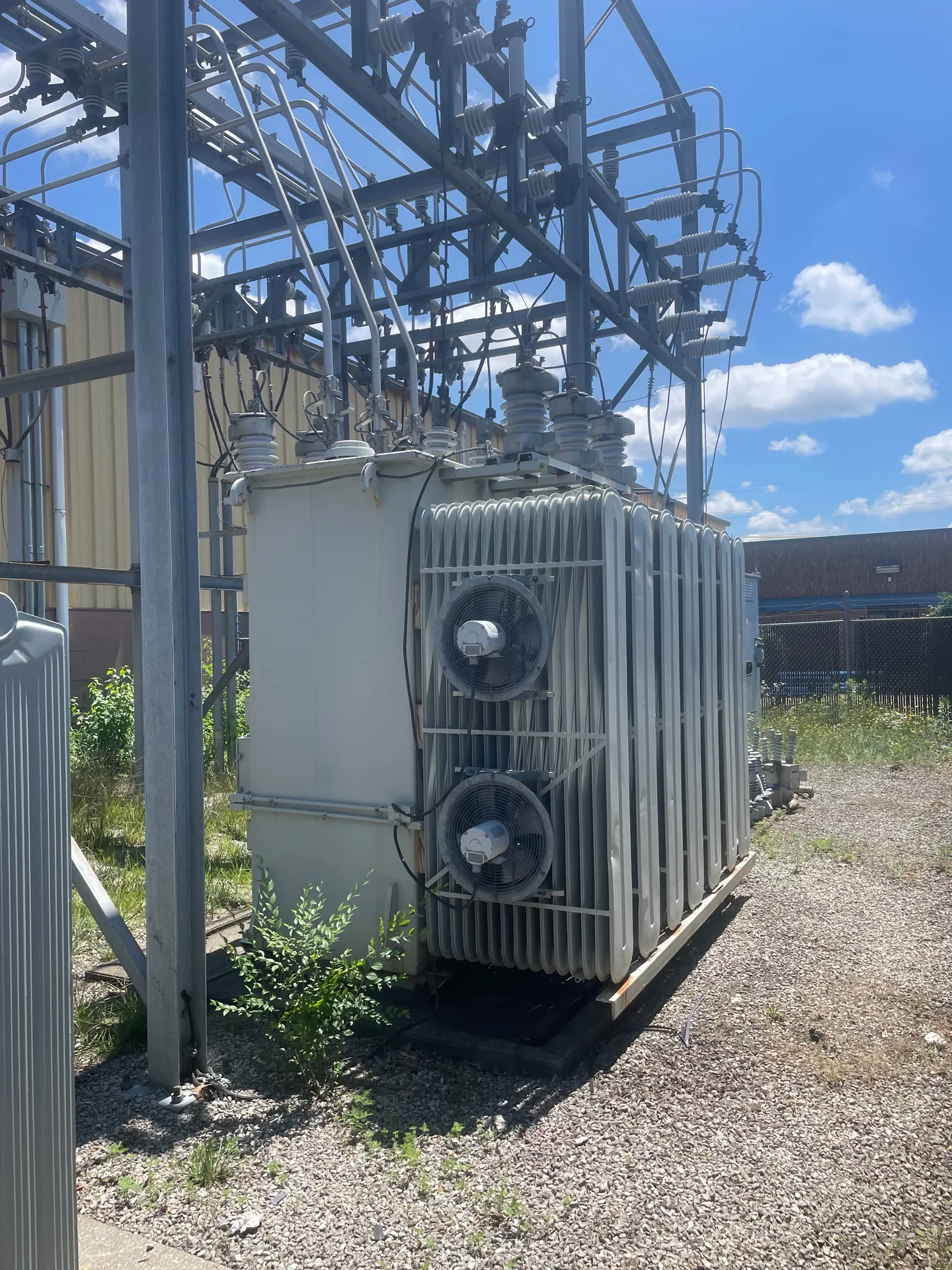
Where Can I Sell Industrial Electrical Transformers?
If you’re asking “Where can I sell industrial electrical transformers?” start by matching your asset to the right route: a specialized equipment buyer, an auction, a broker, a recycler, or scrap disposal. A direct equipment buyer who understands transformer specifications can often give the most relevant review; auctions or brokers may suit unusual lots; recyclers and scrap yards are options for units with little resale value. Before contacting any channel, gather nameplate photos, quantity, condition notes, and site access details to speed evaluation.
Evaluation starts with facts
Share the manufacturer, rating, voltage, phase, condition, quantity, and location before discussing value or pickup.
Who typically buys industrial transformers — and how they differ
Direct equipment buyers focus on reuse or resale of whole transformers and related electrical distribution gear. They evaluate technical specs, condition, and market demand. Auctions can reach broad bidders and may be right for unique or estate lots but add fees and timing uncertainty. Brokers can market to multiple buyers and handle negotiation for a commission. Recyclers and scrap yards prioritize recovered materials when units are uneconomical to repair or resell. Choose the route that fits your goals: cash now, highest possible return, or responsible disposal.
bullets
What buyers need to value a transformer
Buyers determine interest using nameplate data and physical condition. Key nameplate items include manufacturer, serial/model number, kVA/MVA rating, primary and secondary voltages, phase (single or three-phase), frequency, impedance, and insulation/design type (oil-filled, dry-type, pad-mounted). Age and known service history matter, as do test or commissioning records. Clear, close-up photos of the nameplate and exterior are more valuable than vague descriptions.
Condition and quantity strongly influence offers. Units removed working with recent test reports or maintenance logs attract more buyer interest than untested or visibly damaged units. Multiple similar transformers in one location often increase logistical and pricing appeal. Also note ownership documentation and any contractual constraints—buyers perform due diligence and may decline lots with unclear provenance.
Buyer due diligence and transaction paperwork
Expect potential buyers to ask for documentation that verifies ownership and condition. Typical requests include nameplate photos, test and service records, bills of sale, site access permissions, and any decommissioning permits. Buyers may also request a written statement identifying inclusion of associated accessories or parts. A straightforward bill of sale and removal authorization usually suffice for routine transactions, but requirements vary by buyer and the unit’s size or environmental risk.
Be transparent about unknowns. If you lack test records or exact specs, state that clearly and provide the best available photos and history. Misrepresenting condition or ownership is a common reason offers are withdrawn. Qualified buyers will describe what additional due diligence they need; if a buyer refuses to document terms or insists on verbal-only agreements, treat that as a warning sign.
Logistics: site access, rigging, loading and freight
Large transformers require planning around access, lifting, and transport. Provide precise site information — floor or pad location, clearance dimensions, route from curb to unit, presence of freight elevators, and any site restrictions. Buyers and their contractors will schedule crane or rigging resources; energization, disconnection, testing, fluid handling, and heavy rigging must be conducted by qualified professionals under applicable codes. Do not attempt technical disconnection unless you have the proper personnel and permits.
Freight and timing affect buyer interest. Tight timelines, restricted access, remote locations, or special freight requirements can reduce offers or add costs. When you describe availability windows, be realistic about when the unit will be ready for pickup. Clear staging and making the transformer accessible for inspection and loading will speed removal and reduce contingency costs.
How market demand and condition shape your options
Market demand for specific sizes, brands, and configurations fluctuates. High-capacity industrial units from reputable manufacturers with clean records are more likely to attract reuse buyers. Older or specialty designs may still draw interest from rebuilders or parts buyers. Units with hazardous fluids, heavy corrosion, or missing nameplates often move toward recycling or scrap unless a specialist sees value for parts.
Not every transformer will receive a purchase offer. If no buyer expresses interest, consider alternative routes: auction for potential higher reach, broker for targeted marketing, recycler for material value recovery, or qualified disposal for regulated waste. Each path has trade-offs in price, timing, fees, and environmental handling; choose based on your priorities and the unit’s condition.
Warning signs and a seller’s preparation checklist
Watch for red flags: buyers who refuse written terms, demand full payment before inspection, or push to remove equipment without proper permits or documentation. Lowball offers that treat a reusable unit as scrap without explanation deserve scrutiny. Also be cautious if a buyer won’t provide details about who performs disconnection, rigging, or environmental handling.
Before contacting buyers, prepare this checklist to streamline review and reduce surprises:
- High-resolution photos of the nameplate and all sides of the unit
- A short condition summary (installed, removed, tested, damaged, fluid leaks)
- Manufacturer and kVA/MVA, voltages, phase and frequency if known
- Quantity and any related electrical gear being offered together
- Exact site location, access limitations, and preferred removal timeframe
- Ownership confirmation and any required removal authorizations
Practical next steps
If you want an initial review, collect the checklist items and reach out to a buyer or broker who specializes in electrical distribution equipment. Be upfront about uncertainties and timelines so buyers can scope due diligence and logistics accurately. If a direct resale route fails, consider an auction or recycler depending on condition and regulatory needs. Above all, rely on qualified professionals for electrical disconnection, rigging, fluid handling, and transport to comply with safety and environmental requirements.
bullets
Common questions
Practical answers before you call
One clear next step