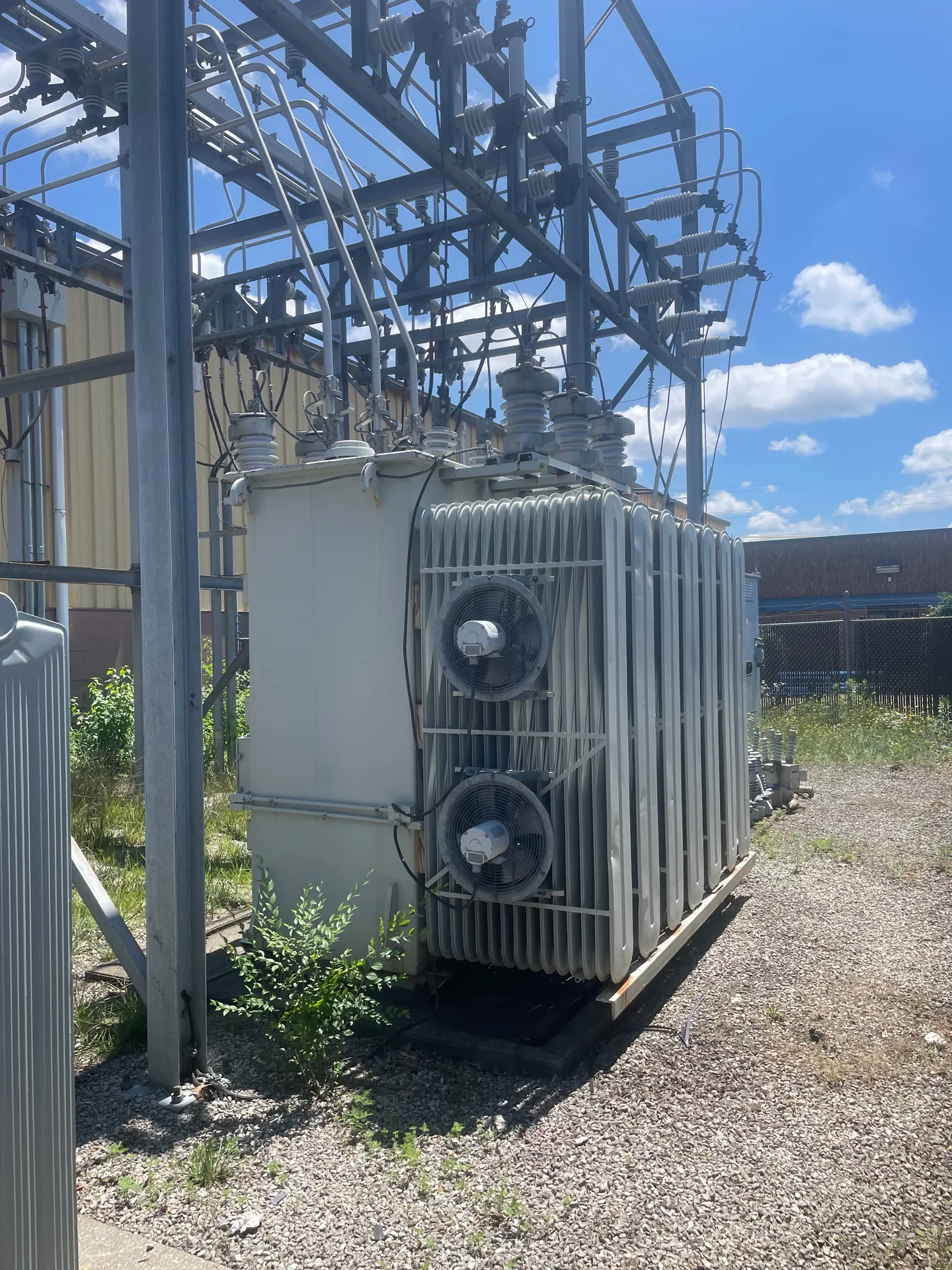
Who Buys Electrical Transformers for Cash?
Yes — buyers do pay cash for qualifying electrical transformers, but not every inquiry becomes an offer. This page answers who buys transformers for cash, explains how those buyers differ from auctions, brokers, recyclers, and scrap yards, and lists the exact information that speeds a serious review. Read on to understand valuation inputs, buyer due diligence, transaction documents, pickup planning, and warning signs so you can decide which route fits your equipment and timeline.
Evaluation starts with facts
Share the manufacturer, rating, voltage, phase, condition, quantity, and location before discussing value or pickup.
A short answer: Who will consider paying cash
Commercial buyers who specifically trade in electrical distribution and power transformers are the most likely parties to pay cash for qualifying units. They include companies that remarket surplus electrical equipment, equipment resellers, and specialized buyers focused on reuse in industry and distribution. These buyers look for units with verifiable specifications, acceptable condition, and a logistics plan that lets them safely remove and transport the transformer. If a unit lacks documentation or access is difficult, a cash offer may not follow.
bullets
- Specialized transformer buyers and equipment resellers
- Some surplus dealers and project buyers
- Occasionally asset managers or utilities purchasing for spare inventory
How a buyer differs from auctions, brokers, recyclers, and scrap yards
An auction lists equipment to the highest bidder and can work well when visibility and competitive pricing matter, but it usually adds fees and timing uncertainty. Brokers facilitate introductions and may not take title — useful for complex or high-value packages but often slower. Recyclers and scrap yards focus on material value (copper, steel) and pay based on scrap grades; they can be the right option for non-functional or badly damaged units. A direct transformer buyer evaluates electrical use potential and specification fit, and may pay more when reuse is feasible.
bullets
- Auction: broad exposure, variable net proceeds, added fees
- Broker: matchmaker role, may add time and fees, limited control
- Recycler/scrap yard: material-based pricing, suitable for destroyed or contaminated units
- Direct buyer: specification- and condition-driven offers for reusable equipment
What buyers need first: nameplate and condition inputs
Buyers make faster, more accurate decisions when you provide clear nameplate data and honest condition notes. Key nameplate items are manufacturer, serial/model numbers, kVA or MVA rating, primary and secondary voltages, phase (single or three‑phase), frequency, impedance or percent impedance, and design type (dry or liquid-filled). Close-up photos of the nameplate and full-unit images that show bushings, tank, control boxes, and mounting points are essential.
bullets
- Nameplate: manufacturer, kVA/MVA, voltages, phase, serial/model
- Condition: removed working, untested, damaged, missing components
- Records: test reports, maintenance/service records, date of last inspection
- Quantity and ownership documentation if selling multiple units or assets
Valuation inputs and buyer due diligence
Buyers weigh technical specs against condition and market demand. Age, manufacturer reputation, transformer design, and recent test or service records affect reusability. Quantity matters: larger lots can attract buyers willing to allocate transport. Location, site access, and removal complexity influence logistics costs and the net offer. Expect buyers to request photos, nameplate scans, proof of ownership, and possibly follow-up site photos or a third‑party inspection before issuing a formal offer.
bullets
- Technical fit: kVA/MVA, voltages, phase, frequency, design type
- Condition and records: test results, service history, visible damage
- Logistics: access, rigging needs, loading equipment, distance to freight hubs
- Market factors: current demand for that size/type and buyer inventory
Transaction documents, pickup planning, and timelines
A legitimate purchase typically follows written documentation: a purchase agreement or bill of sale, removal and release instructions, and arrangements for payment terms. Buyers will specify who is responsible for disconnection, de‑energization, and hazardous‑material concerns and will require those actions to be performed by qualified personnel under applicable rules. Pickup planning should cover site access, required rigging capacity, loading equipment (crane or forklift), transport permits, and an agreed timeline — all of which can affect the offer and scheduling.
bullets
- Document checklist: purchase order/bill of sale, proof of ownership, removal authorization
- Logistics checklist: rigging plan by qualified professionals, loading method, freight coordination
- Timeline: realistic windows for removal and pickup; delays can change a buyer’s offer
Warning signs and when to choose another route
Be cautious if a buyer asks no technical questions, refuses written documents, pressures for immediate onsite access without verification, or offers only vague payment terms. Cash offers do exist, but transparency about specs, access, and legal ownership is normal. If your transformer lacks nameplate data, is contaminated, severely damaged, or is in a location that makes removal cost‑prohibitive, alternatives such as auction, brokered sale, or recycling may provide a better outcome. Assess time, cost, and risk before committing.
bullets
- Red flags: no nameplate verification, no paperwork, unclear payment timing
- Consider auctions or brokers for high-visibility sales when spec fit is uncertain
- Consider recyclers for units that are non‑functional, contaminated, or uneconomical to remove
Common questions
Practical answers before you call
One clear next step