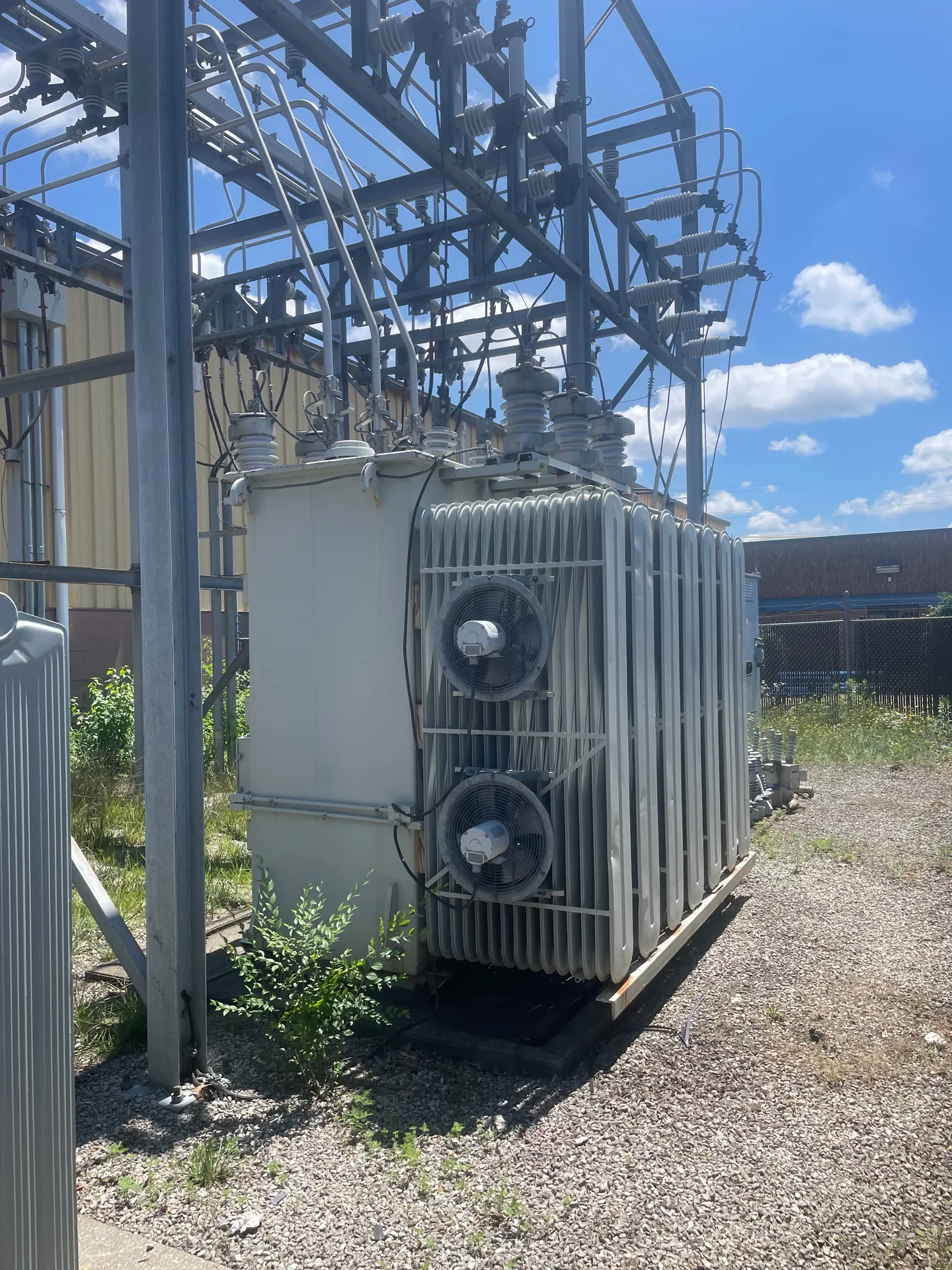
Who Buys Surplus Electrical Transformers?
Short answer: a range of buyers may purchase surplus electrical transformers, from direct equipment buyers and transformer resellers to brokers, auction houses, recyclers, and scrap yards. Which route is right depends on the unit’s specifications, condition, documentation, quantity, and logistics. This page explains how to tell an equipment buyer from other channels, what information buyers need, how valuation works, how transactions are documented, pickup planning basics, and warning signs to watch for.
Evaluation starts with facts
Share the manufacturer, rating, voltage, phase, condition, quantity, and location before discussing value or pickup.
Who the actual buyers are — and how they differ
Direct electrical-equipment buyers and specialist transformer resellers are the parties most likely to pay for surplus units that are complete, identifiable, and supported by nameplate and test information. Brokers and auction houses can find end buyers but add time and fees. Recyclers and scrap yards will accept transformers primarily for material recovery; they focus on weight and hazardous-material handling. Choosing the right path starts by matching the unit’s technical profile and paperwork to the buyer type.
bullets”: [] /* placeholder to ensure schema validity */
- Direct buyers/resellers: evaluate specification, condition, and resale potential
- Brokers/auction houses: wider market reach, longer timelines, additional fees
- Recyclers/scrap yards: material value, hazardous waste handling, immediate disposal option
What buyers need to qualify a transformer
Serious buyers request the same core information so they can determine if a unit fits their demand. The most important item is a readable nameplate; it reveals manufacturer, model, serial number, kVA or MVA rating, primary and secondary voltages, phase, frequency, impedance, and design class. Buyers will also ask about transformer type (oil-filled, dry-type, pad-mounted, auto, isolation), age, visible condition, test or service records, and quantity. Ownership documentation, site location, and access details are also essential.
bullets”: [] /* placeholder */
- Nameplate fields to capture: manufacturer, kVA/MVA, primary/secondary voltage, phase, frequency, serial/model numbers
- Condition and history: installation status, storage, weather exposure, oil leaks, missing panels, and test records
- Logistics: whether unit is installed, disconnected, ground-level, palletized, or requires crane/rigging
How buyers value surplus transformers
Valuation combines technical worth with practical costs. Buyers weigh brand and kVA/MVA, common voltage and phase combinations, design type, and the presence of recent test or service records. They subtract costs for removal, rigging, remediation of leaks, transport, and any required handling for oil-filled units. Current buyer demand and the quantity available influence the offer: a single atypical unit may attract lower bids than multiple common-size transformers offered as a lot. Weight matters for recyclers, but not exclusively for equipment buyers.
bullets”: [] /* placeholder */
- Technical inputs: nameplate specs, manufacturer, design, test records
- Logistical inputs: access, removal complexity, freight and crane needs
- Market inputs: brand desirability, demand for given kVA/voltage, lot size
Buyer due diligence and transaction documents
Before money changes hands, expect buyers to verify specs and ownership and to request supporting paperwork. Common documents include a purchase agreement or bill of sale that transfers title, inspection reports or test records if available, and an acknowledgment of property condition. Buyers may require proof of authority to sell, and they will outline removal responsibilities. Note: energization, disconnection, testing, rigging, fluid handling, and transport should be performed by qualified professionals under applicable codes and regulations — sellers should not attempt these tasks without appropriate contractors.
bullets”: [] /* placeholder */
- Typical paperwork: bill of sale, purchase agreement, inspection/test records if available
- Transfer steps: agreed payment terms, schedule for removal, liability and insurance clarifications
- Red flags in documents: unusually broad indemnities, requests to sign away regulatory responsibilities, or blank transfer terms
Pickup planning: what affects timing and cost
Logistics are frequently the largest variable after equipment value. Buyers price offers with removal and freight in mind: accessible ground-level units on pallets are simplest, while installed, rooftop, or confined-room transformers require more rigging, permits, and coordination. Sellers should detail site access, clearances, staging areas, weight and dimensions, and whether a forklift or crane is available. Confirm who will coordinate qualified electricians, riggers, or hazmat contractors for oil-filled units — these tasks will affect cost and schedule.
bullets”: [] /* placeholder */
- Site details to provide: precise location, access routes, weight/dimensions, and whether unit remains energized
- Common logistics needs: crane or forklift, blocking and cribbing, tarping, and transport permits for oversized loads
- Timeline factors: site availability windows, lead time for qualified contractors, and buyer’s transportation schedule
Alternatives and warning signs to watch for
If a direct buyer passes or the offer is unsatisfactory, alternatives include brokers or auction houses for broader exposure, or recyclers and scrap yards for material recovery. Each choice has trade-offs in time, fee structure, and environmental handling. Beware of warning signs from prospective buyers: refusal to discuss required documentation, insistence on cash-only pickup without paperwork, offers that ignore nameplate specs and base value solely on weight for obviously reusable units, or vague answers about disposal of oil or hazardous components. Ask questions and request references before agreeing.
bullets”: [] /* placeholder */
- When to consider an auction or broker: uncommon units that need a wider market or higher transparency
- When to consider recyclers: damaged or unidentifiable units where material recovery is the likely outcome
- Warning signs: lack of documentation, evasive logistics answers, weight-only offers for well-documented units
Common questions
Practical answers before you call
One clear next step