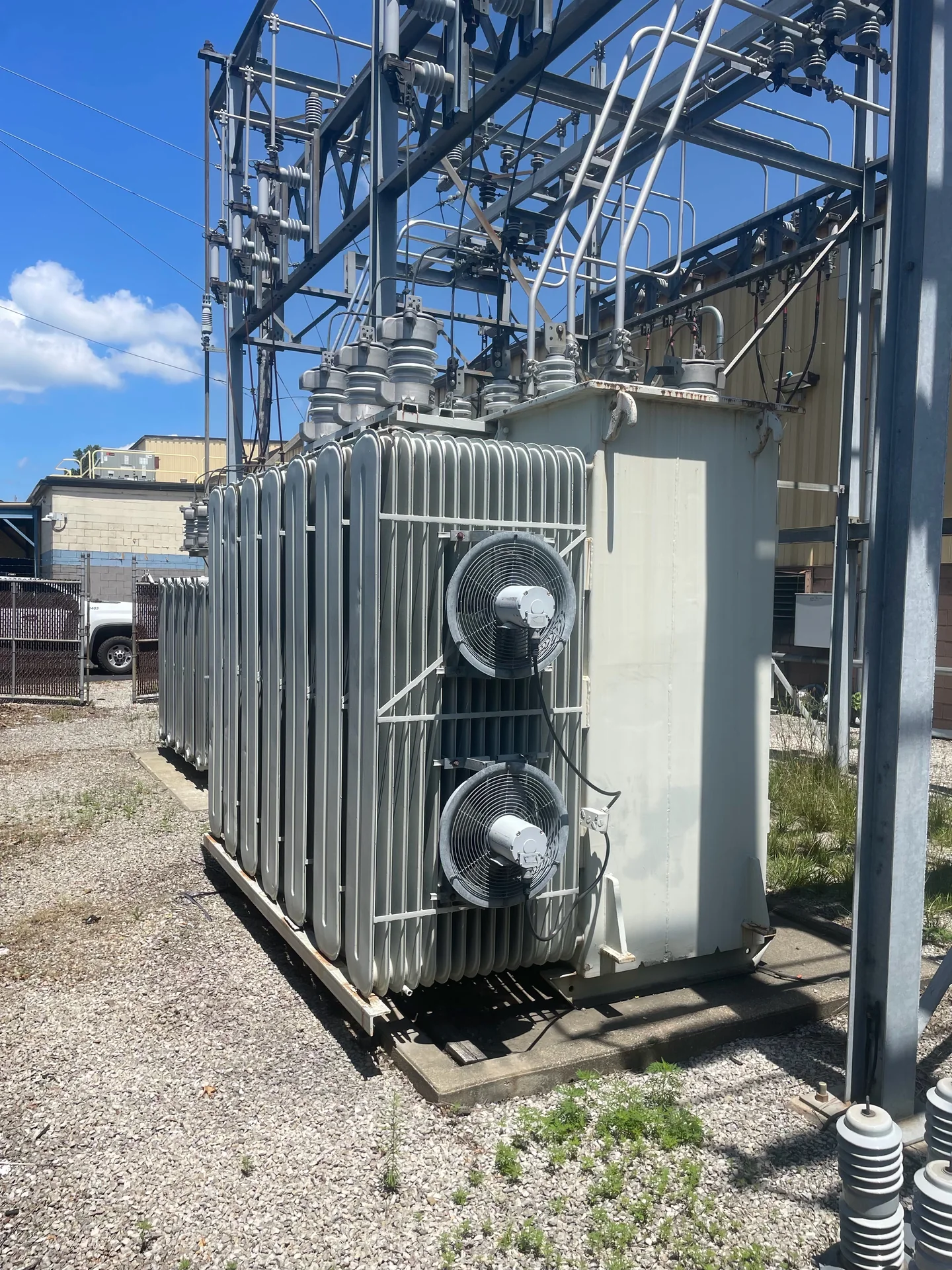
Who Buys Transformers From Demolition Projects?
Short answer: specialized electrical-equipment buyers are the most likely purchasers of transformers recovered during demolition, not every scrap yard or auction. These buyers look for intact, documented units—dry-type or oil-filled—with readable nameplates and removal records. If a transformer has clear kVA, voltage and phase data, reasonable condition, and feasible removal logistics, a direct buyer may make an offer. If it’s badly damaged, stripped, or undocumented, other routes such as a recycler or auction may be more appropriate.
Evaluation starts with facts
Share the manufacturer, rating, voltage, phase, condition, quantity, and location before discussing value or pickup.
Who buys demolition transformers — and how they differ
There are four common buyer types you will encounter: direct equipment buyers, brokers/consignment agents, auction houses, and recyclers/scrap yards. Direct buyers focus on usable electrical equipment that can be resold or refurbished; they usually inspect nameplate data, condition, and logistics before committing. Brokers try to match sellers with buyers and charge fees. Auctions move material to the highest bidder but add time and fees. Recyclers and scrap yards generally pay only for recoverable metals and fluids, not for reuse value.
Bullets are allowed in this section to quickly distinguish buyer types.
- Direct buyer: evaluates reuse potential, parts value, and transport feasibility.
- Broker/agent: arranges a sale between parties, often for larger or specialized lots.
- Auction: useful for uncommon or collectible items but may cost time and fees.
- Recycler/scrap yard: pays for copper, steel, and oil recovery but not intact asset value.
What buyers need to qualify a transformer
A prompt, accurate qualification starts with documentation and photos. The single most useful item is a readable nameplate showing manufacturer, serial/model number, kVA rating, primary and secondary voltages, phase, frequency, temperature rise, and design type. Buyers also want the unit’s age, service or test records, enclosure type (pad-mounted, dry-type cabinet, oil-conservator), and a clear description of condition and any damage. Quantity and related equipment in the lot affect interest and pricing.
Bullets clarify the typical checklist buyers request.
- Nameplate close-up photos and overall unit photos from multiple angles.
- Manufacturer and serial/model number, kVA/MVA, primary/secondary voltages, phase.
- Design type (dry, oil-filled, pad-mounted, submerged), frequency (50/60 Hz), and date code or manufacture year.
- Service/test records, condition notes, ownership proof, and quantity.
How buyers value transformers from demolition projects
Valuation blends equipment attributes, market demand, and logistics. Core technical inputs include kVA or MVA rating, primary/secondary voltages, phase and frequency, impedance and design type. Condition and test records materially affect value—recent dielectric or insulation tests increase offers. Manufacturer and model can matter for replacement demand. Buyers also subtract expected removal, rigging and freight costs, environmental handling for fluids, and any refurbishment needed. Finally, current buyer demand and lot size influence the final offer.
Bullets summarize primary valuation inputs.
- Technical specs: kVA/MVA, voltages, phase, frequency, design type.
- Condition & records: test reports, corrosion, oil quality, physical damage.
- Logistics: access, weight, rigging needs, distance to buyer or shipper.
- Market factors: quantity available, brand demand, seasonal buyer interest.
Due diligence and transaction documents buyers commonly request
Experienced buyers perform due diligence to confirm ownership, condition, and environmental risk. Expect requests for photos, nameplate and serial numbers, proof of ownership or authority to sell, and any available test or maintenance records. Transaction documents usually include a purchase agreement or bill of sale with clear terms (what’s included, condition, AS-IS language). Environmental disclosures are common for oil-filled units. Buyers will also discuss payment terms and scheduling; exact terms vary by buyer and lot.
Bullets list typical documentary items and cautions.
- Photos and nameplate verification, serial/model numbers.
- Bill of sale or purchase order specifying AS-IS condition, included accessories, and removal responsibilities.
- Environmental disclosures for oil-filled equipment and any known leaks or contamination.
- Proof of authority to sell if equipment is part of a larger estate, company, or municipal asset.
Pickup planning: access, rigging, freight and timelines
Removal logistics are frequently the deciding factor. Buyers factor in site access, equipment weight and footprint, whether cranes or forklifts are required, and whether units are pad-mounted, in tight electrical rooms, or inside basements. Permits, traffic control, and on-site supervision may be needed. Buyers often require sellers to arrange or approve a removal plan performed by qualified rigging and electrical contractors; transformers should not be disconnected, lifted, or loaded except by properly qualified personnel under applicable rules.
Bullets show practical planning checklist items.
- Confirm site access (clearance, road weight limits, staging area for trucks/cranes).
- Identify rigging needs, forklift/crane availability, and insurance or permit requirements.
- Decide whether buyer or seller will coordinate rigging and freight; clarify timelines.
- Plan for safe handling of insulating fluids and confirm environmental controls and paperwork.
Warning signs and practical alternatives when a direct sale isn’t likely
Not every transformer will earn a resale offer. Red flags include missing or illegible nameplates, severe physical damage, signs of contamination, unknown ownership, or impractical removal logistics. If a direct equipment buyer passes, consider alternatives: an auction for uncommon or collectible equipment, a broker if you prefer a wider buyer search, or a recycler/scrap yard if the unit’s remaining value is primarily for metal or oil recovery. Choose the route that matches the unit’s condition and your project timeline.
Bullets help decide which alternative fits.
- Use a recycler/scrap yard when only copper/steel and oil recovery remain.
- Consider an auction when items are unique, collectible, or there is enough time to market.
- Engage a broker for large, complex lots needing wider buyer outreach.
Common questions
Practical answers before you call
One clear next step