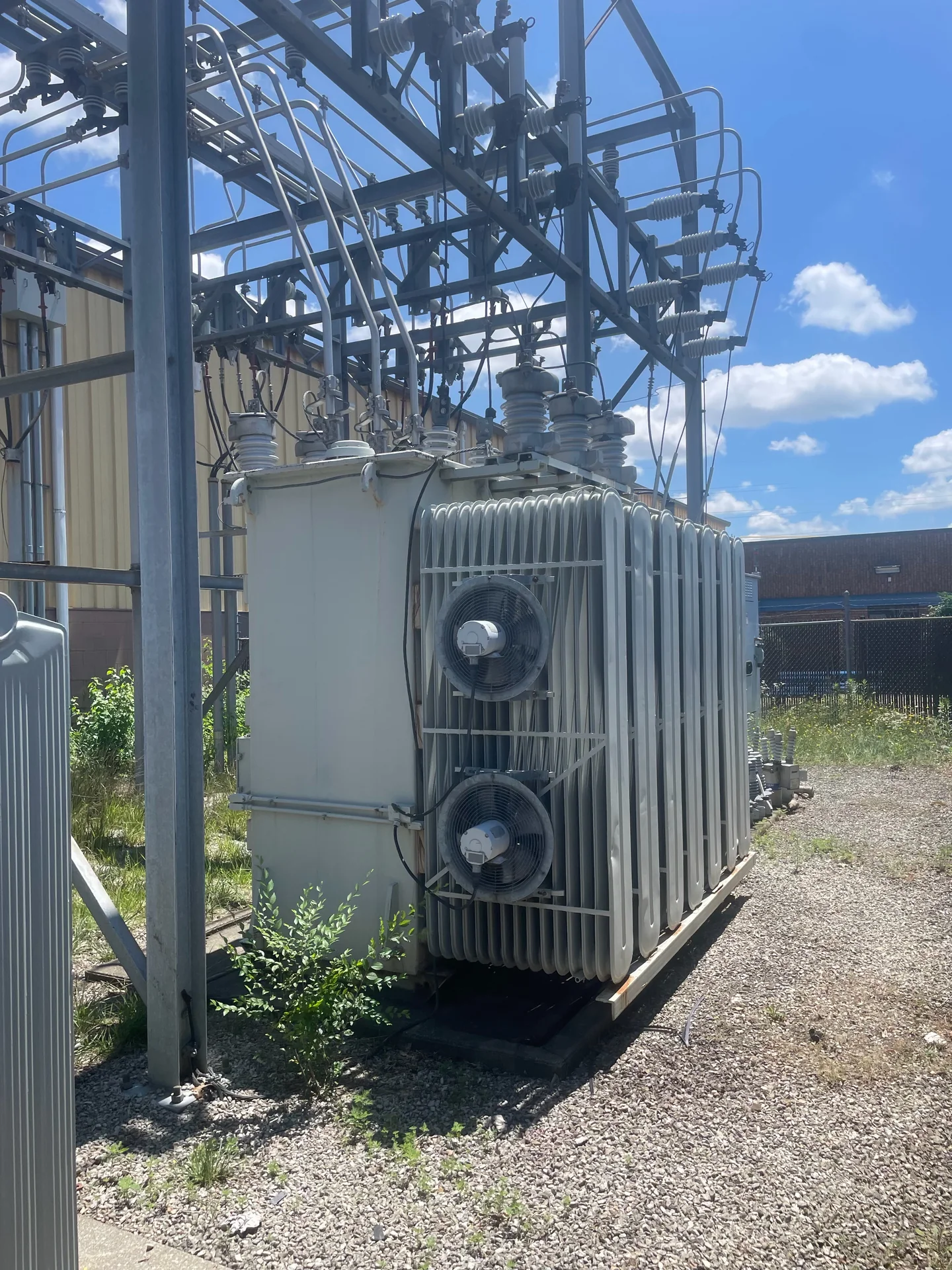
Where Can I Sell Electrical Transformers for Cash?
Short answer: if your transformer has resale value, the fastest route to a cash offer is a specialized electrical-equipment buyer that evaluates nameplate data, condition, and market demand. Alternatives include auctions, brokers, recyclers, and scrap yards — each serves different needs and equipment conditions. Read on to decide which channel fits your timeline, documentation, and logistical constraints before committing to removal or transport.
Evaluation starts with facts
Share the manufacturer, rating, voltage, phase, condition, quantity, and location before discussing value or pickup.
Which buyers are appropriate — and when
Specialized equipment buyers focus on units that can be resold, reconditioned, or used for parts; they typically pay more for intact, documented transformers that match current demand. Auctions move units to the open market and can be useful for uncommon or one-off items. Brokers market to multiple buyers on your behalf for a fee or commission when you prefer broader exposure. Recyclers and scrap yards are an option when a unit has no reuse value — they value recoverable metals and fluids, not operational history.
bullets
- Specialized buyer: best for documented, usable transformers and packages with related switchgear.
- Auction: suitable for unique items or when you want broad buyer exposure.
- Broker: helpful if you lack time to market equipment but expect resale value.
- Recycler/scrap yard: usually the route for damaged, unrepairable, or undocumented units.
How buyers differ in practice
The main differences are what each buyer values and how they price a unit. Equipment buyers assess electrical specifications and serviceability. Auctions rely on competitive bidding to determine value. Brokers take a percentage and may require exclusivity. Recyclers price based on metal weight and fluid contents. Understanding these distinctions helps you choose the path that matches the transformer's condition, quantity, and your timeline.
bullets
- Turnaround: recyclers often settle quickly; auctions and brokers depend on schedules.
- Documentation: equipment buyers often require nameplate and service records; recyclers usually need less detail.
- Logistics: some channels coordinate pickup; others expect seller-arranged removal.
What buyers need to qualify and value a transformer
Nameplate data is the single most useful starting point: manufacturer, kVA/MVA rating, primary and secondary voltages, phase, frequency, model and serial numbers, and impedance or temperature-rise data. Buyers also consider design type (dry-type, oil-filled, pad-mounted, distribution, power), enclosure and bushing condition, and whether the unit was removed in a working state.
Other important factors include age, visible condition, test or service records, quantity available, proof of ownership, and location/access. Current buyer demand and marketability — e.g., whether the unit’s specifications match common replacement needs — also strongly influence offers. Provide clear photos of the nameplate, connections, and any labels to speed review.
Buyer due diligence and typical transaction documents
A serious buyer will ask for documentation and may request inspection photos or an on-site visit. Typical paperwork can include a purchase agreement that spells out price and terms, proof of ownership or authorization to sell, and a bill of lading or delivery receipt for removal. Expect questions about prior tests, service records, and whether the unit contains regulated fluids.
Do not attempt energization, disconnection, rigging, or oil handling yourself unless you are a qualified professional. Buyers and sellers should coordinate removal plans that assign responsibility for rigging, containment, transport, and any required permits. Confirm payment terms and receive written confirmation before releasing ownership.
Pickup planning, access and logistics to plan for
Logistics often determine whether a buyer will make an offer. Provide the physical location, access restrictions, loading dock dimensions, staging area, available lifting points, and whether the transformer is indoors or on a pad. Buyers price in the effort required to mobilize rigging crews, cranes, flatbeds, and potential traffic or site permits.
If a unit contains oil, expect additional handling steps: removal of oil, use of drip containment, and possibly labelling or disposal coordination under environmental regulations. Coordinate with qualified riggers, electricians, and transporters to develop a removal plan. Accurate access information reduces surprises and helps the buyer estimate freight and labor costs.
Warning signs and questions to ask before accepting an offer
Red flags include buyers who give a firm valuation without seeing nameplate data, require large upfront payments without clear justification, or refuse to provide written terms. Be cautious with offers that lack transparency on how the price was calculated or that shift all removal and liability risks entirely to the seller without documentation.
Ask potential buyers whether they will inspect the unit, what documents they require, who will arrange and pay for rigging and transport, and how title transfers are handled. If you have doubts about a buyer’s capability or credibility, request references or consider alternative channels like a broker or auction.
- No inspection but a full-price offer — request documentation.
- Unclear responsibility for oil/fluids or environmental compliance.
- Pressure to move ownership before payment terms are documented.
If a buyer passes — sensible alternatives
Not every transformer will attract a direct equipment buyer. If direct offers are not forthcoming, consider an auction for wider exposure, a broker to market the unit across buyers, or responsibly recycling the unit through a licensed recycler if reuse value is exhausted. Each route has trade-offs in timing, fees, and final recovery value.
Document the condition and ownership before switching channels and keep detailed removal plans. In all cases, use qualified professionals for electrical disconnection, rigging, and fluid handling and follow applicable regulations for transport and disposal.
Common questions
Practical answers before you call
One clear next step