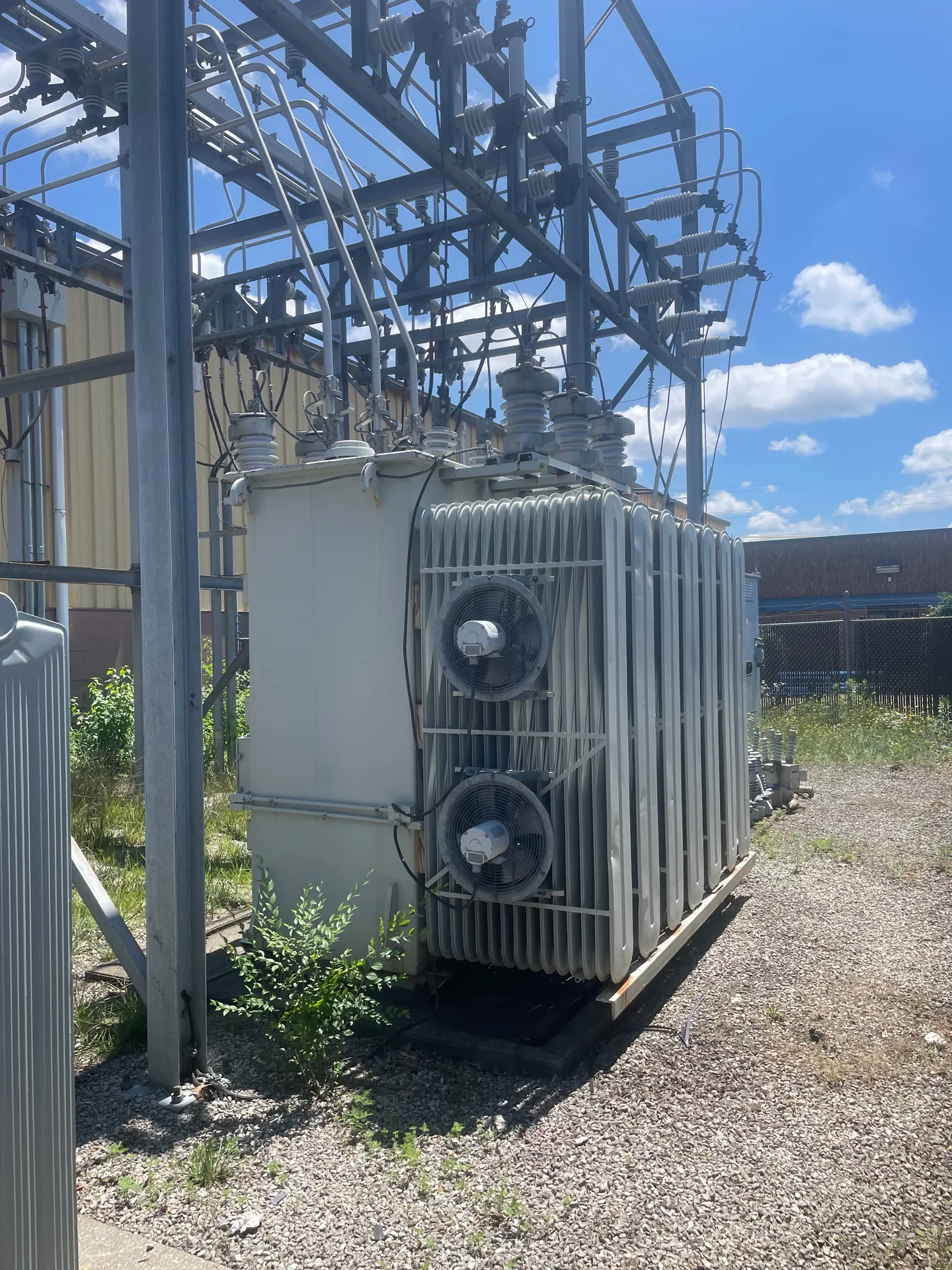
Where Can I Sell My Electrical Transformers for Cash?
Short answer: you can sell electrical transformers for cash to several distinct buyers — equipment buyers who re-market or reuse units, industrial auction houses, independent brokers, licensed recyclers, or scrap yards. Which route fits depends on the unit’s nameplate data, condition, quantity, location, and timeline. This page explains how the options differ, what buyers need to qualify offers, how valuation is built, what paperwork and due diligence matter, and how to plan pickup and transport.
Evaluation starts with facts
Share the manufacturer, rating, voltage, phase, condition, quantity, and location before discussing value or pickup.
Choose the right marketplace for your goal
Equipment buyers look for transformers they can inspect, test, repair, or resell; they pay more for standard voltages, recent test records, and good condition. Auctions are useful when you want competitive bidding for a lot of assets but fees and buyer variability apply. Brokers can find niche buyers for unusual or high-value units in exchange for a commission. Recyclers and scrap yards accept units that are uneconomical to repair and typically pay for material value rather than reuse potential.
Decide whether you need speed, price maximization, or guaranteed removal. If you require removal assistance, note that many buyers expect seller-arranged qualified contractors for deenergization, draining, and rigging unless the buyer explicitly offers coordination.
- Equipment buyer: targets reuse or parts, values nameplate and test records.
- Auction: exposes units to market bidding; outcome depends on bidders.
- Broker: connects specialized buyers; often used for rare or high-value units.
- Recycler/scrap yard: pays by weight/commodity value for non-reusable units.
What buyers need to qualify a cash offer
To receive a credible preliminary offer, provide clear nameplate data and good photos. Key fields include manufacturer, serial number, kVA or MVA rating, primary and secondary voltages, phase, frequency, design type (core or shell, oil-filled or dry), cooling class, and vector group if shown. Include visible condition notes such as leaks, rust, denting, bushing condition, and whether the unit has been energized recently.
Buyers will also ask about quantity, site location, and access conditions. Recent maintenance or test records—turns ratio, insulation resistance, power factor—substantially improve interest and can shift a unit from scrap value to reuse value. State your timeline for removal or sale up front so buyers can assess feasibility.
- Essential nameplate fields: manufacturer, serial, kVA/MVA, voltages, phase, frequency.
- Condition notes: oil leaks, bushing condition, evidence of overheating, missing parts.
- Logistics: exact site location, approach routes, staging area, and quantity available.
How valuation is calculated
Valuation blends technical specs, condition, current market demand, and logistics. Higher kVA/MVA units with common voltages, reputable manufacturers, and recent test/service records generally attract stronger offers. Age and design type affect perceived remaining life and reconditioning costs; obsolete voltages or rare designs typically reduce resale potential and push value toward scrap.
Logistics and timing are part of the offer. Remote sites, difficult access, required crane time, or heavy-haul permits increase costs for a buyer and lower net offers. Quantity can improve per-unit pricing when multiple similar transformers attract bulk buyers. Expect conditional or site-visit offers if important variables remain unknown.
- Technical drivers: kVA/MVA, voltages, phase, manufacturer, design type, test history.
- Condition discounts: oil degradation, core damage, damaged bushings, missing components.
- Logistics reductions: access limitations, distance to buyer, rigging complexity, permits.
Buyer due diligence and transaction paperwork
Legitimate buyers will ask for documentation to confirm ownership and condition. Typical seller-provided items include clear photos of nameplates and bushings, recent test/service reports, and proof of ownership or asset tags. Buyers normally respond with a written offer, a purchase agreement, and removal or transfer instructions. Discuss who will supply a bill of sale or property transfer document at closing.
Be cautious about contract language that shifts unknown environmental or legal liabilities to the seller. For units containing fluid, both parties should state who is responsible for draining, waste handling, and related paperwork. If local permits or environmental rules apply, consult qualified legal or environmental professionals before signing.
- Seller documents: nameplate photos, test reports, proof of ownership.
- Buyer documents: written offer, purchase agreement, removal authorization.
- Watch for clauses assigning unknown liabilities to the seller without compensation.
Planning pickup, rigging, and transport
Plan logistics early. Buyers will evaluate site photos or a site visit showing approach routes, overhead obstructions, staging areas, and clearances. Whoever handles disconnection, deenergization, draining, and lifting should be a qualified contractor working under applicable electrical, rigging, and environmental requirements. Clarify whether the buyer or seller arranges carriers, cranes, and permits, and who insures the operation.
Heavy lifts often require specialized equipment, traffic controls, or oversize permits; lead times for contractors and permits can stretch to weeks. Provide an accurate timeline and realistic availability windows so prospective buyers can include removal costs in their offers. Document insurance, carrier qualifications, and scope of work before any physical removal begins.
- Provide site photos showing approach routes, clearances, and staging areas.
- Confirm responsibility for deenergization, draining, rigging, transport, and permits.
- Obtain carrier qualifications and insurance documentation before removal.
Warning signs and next-step alternatives
Red flags include buyers who give a high verbal price but refuse site inspection, insist you sign away unknown liabilities, or avoid written agreements. Be wary of offers that lack clear deductions for testing, removal, and disposal. Ask prospective buyers for references or past transaction examples when feasible and require written terms before scheduling removal.
If you don’t receive acceptable offers, alternatives include placing the unit in an industrial auction, engaging a qualified broker to reach specialized markets, or contacting licensed recyclers for material value or responsible disposal. Not every transformer will attract a cash buyer; plan alternatives and document the path you choose for regulatory and accounting purposes.
- Red flags: no written offer, pressure to sign away liabilities, refusal to inspect.
- Alternatives: auction, brokered sale, licensed recycler, or qualified disposal.
- Document decisions and keep records of offers, correspondence, and removal actions.
Common questions
Practical answers before you call
One clear next step