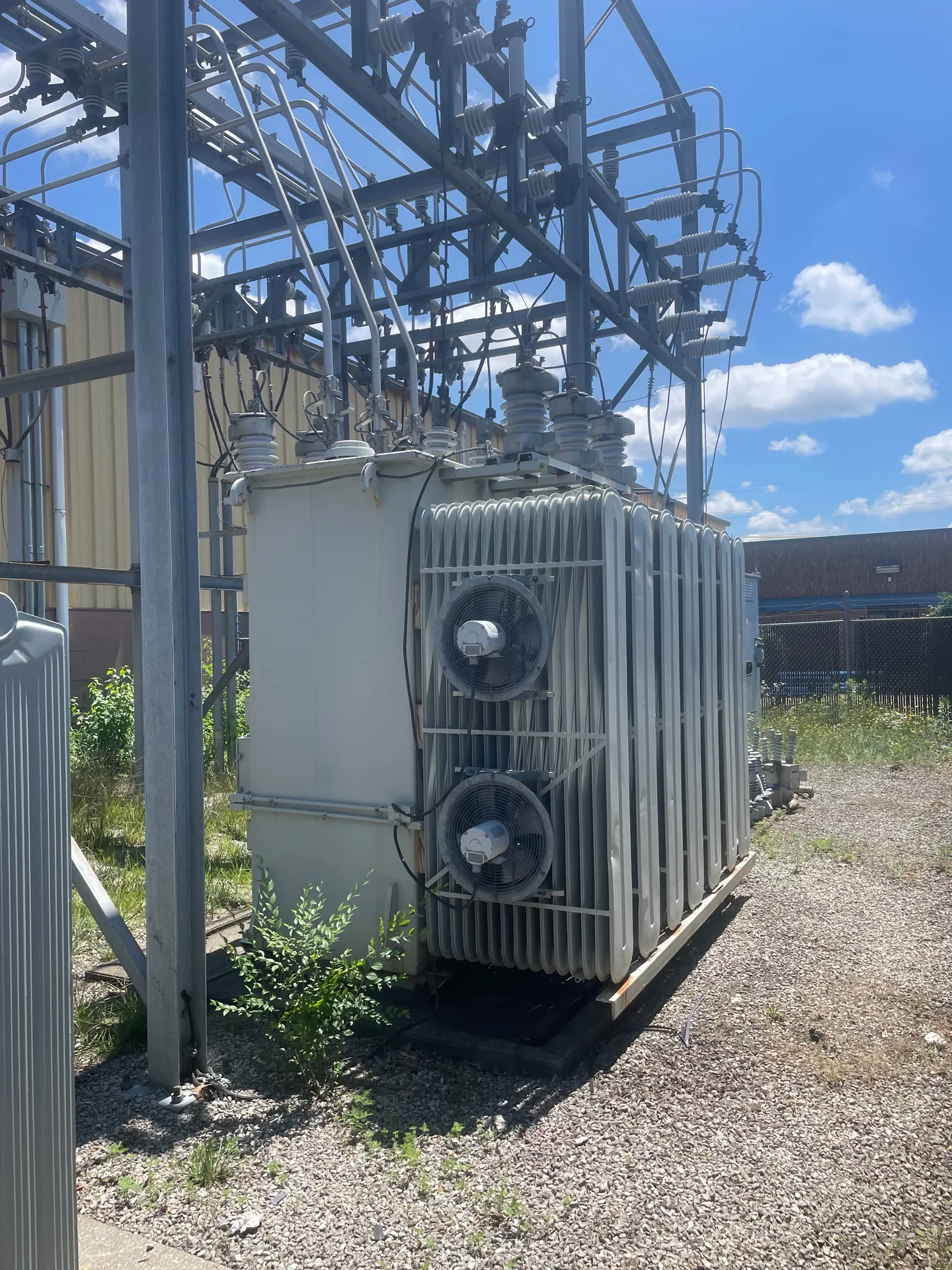
Where To Sell Used Electrical Transformers
If you need to know where to sell used electrical transformers, the short answer is: match the unit to the right channel—specialty equipment buyers, auction houses, brokers, recyclers or scrap yards—based on nameplate data, condition, quantity and logistics. Which option fits depends on technical specs (kVA/MVA, voltages, phase, design), test records, ownership and how difficult removal will be. This page walks through the decision flow, valuation inputs, due diligence and practical pickup planning.
Evaluation starts with facts
Share the manufacturer, rating, voltage, phase, condition, quantity, and location before discussing value or pickup.
1. Inventory the unit before you contact anyone
Begin by documenting the transformer's nameplate and physical condition. Photograph legible nameplate data (manufacturer, kVA or MVA rating, primary and secondary voltages, phase, frequency and design type such as padmount, polemount, liquid-filled or dry‑type). Record age, serial numbers, visible damage, oil leaks or corrosion and any available test or service records. Note quantity and ownership documents, and describe site access, clearances and any environmental constraints that could affect removal.
bullets
- Essential nameplate items: manufacturer, kVA/MVA, primary/secondary voltages, phase, frequency, design type
- Condition notes: leaks, dents, rust, cooling components, bushings and paint
- Logistics: quantity, weight/dimensions if known, ownership paperwork, site access constraints
2. Choose the right sales channel
Different outlets serve different needs. Equipment buyers typically pursue units with intact nameplates, recent testing and common ratings; they are interested in reuse or repair. Auction houses provide broad exposure useful for unusual models or large lots. Brokers can find specialty buyers but add fees and time. Recyclers and scrap yards are appropriate when core damage, contaminated oil or missing documentation make reuse uneconomical. Selecting the right channel starts with the technical profile plus your priorities for speed, price and risk.
bullets
- Specialized buyers: prefer restorable or serviceable units with records
- Auctions: good for one‑off or bulk lots to reach many buyers
- Brokers: extend market reach but include intermediary costs
- Recyclers/scrap yards: last resort for severely damaged or undocumented units
3. How buyers typically value a transformer
Valuation combines technical, commercial and logistical inputs. Nameplate specs (kVA/MVA, voltages, phase, frequency) and manufacturer establish baseline interest. Condition, age and service or test records (turns ratio, insulation resistance, oil dielectric tests) adjust that baseline. Quantity and current market demand for the specific class of transformer affect price momentum. Finally, removal complexity—site access, required rigging, permits and freight—can reduce the net offer or be quoted as a separate line item.
bullets
- Technical drivers: nameplate data, manufacturer, design type, age
- Condition drivers: visible damage, oil contamination, test/service history
- Commercial drivers: quantity, current demand for that rating/design
- Logistics drivers: site access, crane or rigging requirements, freight distance
4. Buyer qualification and required documentation
Serious buyers will ask for supporting documents and may request a site visit. Expect to provide clear nameplate photos, service and test reports if available, proof of ownership and a description of site access and lifting points. Buyers often confirm that the seller has title and the legal right to sell. If environmental issues (e.g., PCB testing, contaminated oil) are relevant, declare them early. Honest, organized documentation speeds offers and reduces surprises during removal planning.
bullets
- Typical requests: nameplate photos, test reports, proof of ownership, site access notes
- Potential checks: onsite inspections, verification of serial numbers, review of environmental status
- Transparency about issues (oil, contamination, title) prevents delays or canceled offers
5. Transaction documents and payment considerations
A clear written agreement protects both parties. Common documents include an offer letter or purchase order, bill of sale, removal or haul‑away agreement and, if applicable, hazardous materials declarations. Payment terms vary: some buyers propose deductions for removal and freight, while others present a net‑to‑seller figure. Clarify inspection windows, holdbacks for latent defects, lien releases and who handles permits before signing. Avoid oral-only agreements and insist on written responsibilities for removal and environmental compliance.
bullets
- Documents to expect: offer letter/purchase order, bill of sale, removal agreement
- Agree in writing: payment timing, responsibility for rigging/transport, permit and disposal duties
- Ask about holdbacks or conditional payments tied to inspection results
6. Plan pickup and logistics early
Logistics often determine whether a sale completes. Give buyers accurate access information—gate hours, overhead clearances, weight limits, staging space and preferred lift points. Rigging, loading and transport of heavy transformers should be performed by qualified contractors under applicable codes and insurance requirements; do not attempt these tasks without proper professionals. Decide who will arrange oil handling, containment and manifests if necessary, and schedule carriers and lift crews well in advance to avoid delays and increased costs.
bullets
- Provide: site access details, lifting points, nearby staging area and carrier restrictions
- Confirm: which party arranges rigging, oil handling and freight, and insurance coverage
- Schedule: inspection windows, lift crew and carrier bookings to match payment and documentation timelines
7. Warning signs and realistic alternatives
Be wary of offers that seem too good, require large upfront fees or won’t provide written terms. Red flags include buyers who refuse site visits, cannot verify ownership, or pressure for immediate payment without documentation. Not every transformer will attract a direct equipment‑buyer offer; if specialist buyers decline, alternatives include auctions, brokers who target niche markets, or licensed recyclers for scrap or disposal. In all cases, prioritize clear title, written contracts and qualified contractors for removal.
bullets
- Red flags: unverifiable offers, upfront fees, no written agreement or inspection refusal
- Alternatives: auction for exposure, broker for niche reach, licensed recycler for disposal
- Always document title transfer, payment terms and removal responsibilities
Common questions
Practical answers before you call
One clear next step