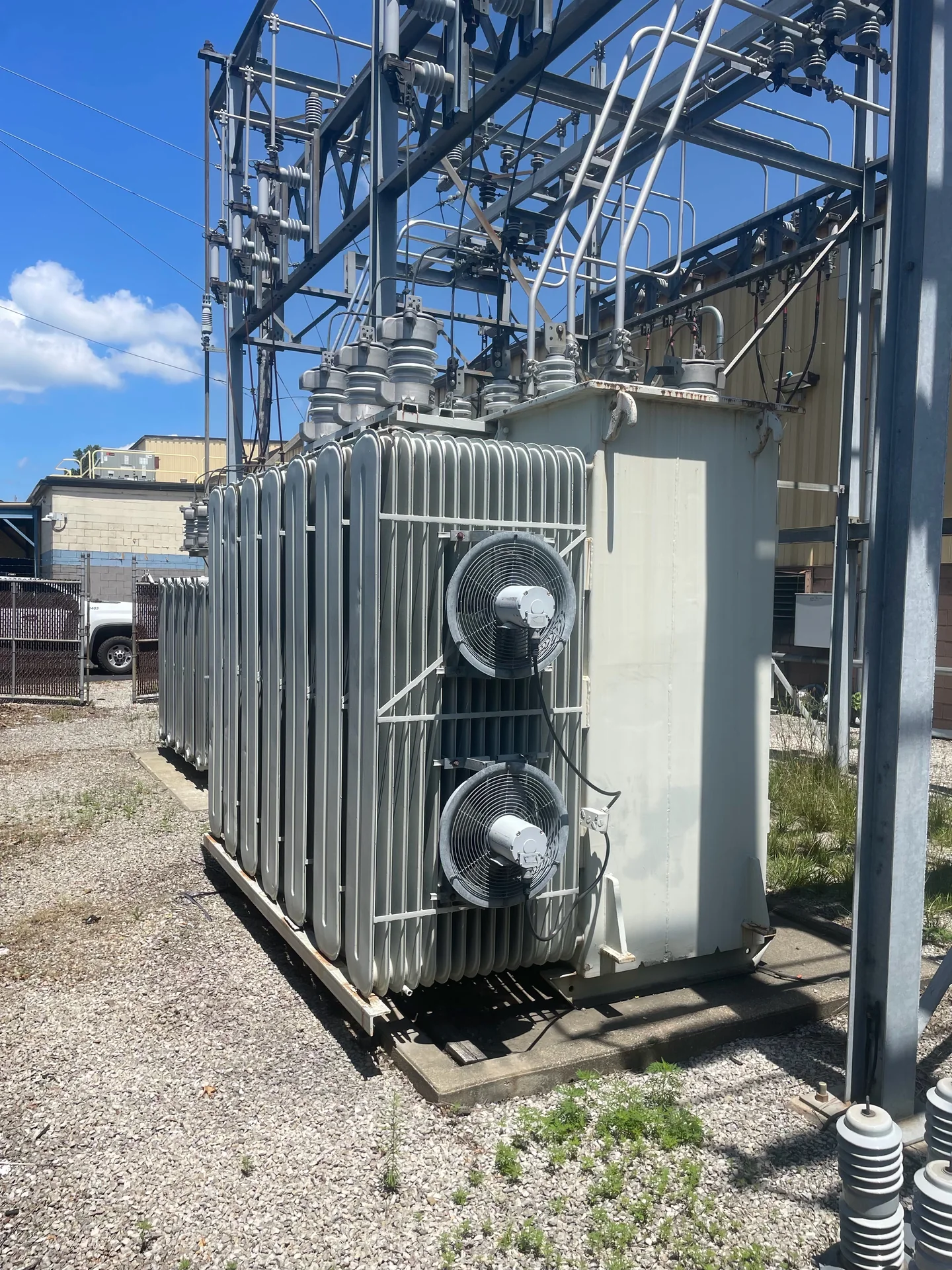
Sell Electrical Transformers in Alaska — Planning Guide
This page helps owners and project managers plan a sale of new, used, or surplus electrical transformers in Alaska. It explains the documentation and equipment details buyers typically request, how site access and rigging affect removal, what long-distance freight and timing can mean for offers, and reasonable alternatives if a direct sale isn’t a fit. We are a nationwide buyer reviewing transformer equipment across the United States; this guide focuses on the information and decisions that matter when preparing a transformer for resale or recovery.
Evaluation starts with facts
Share the manufacturer, rating, voltage, phase, condition, quantity, and location before discussing value or pickup.
Gather the essential documentation and ownership records
Start by collecting paperwork that proves ownership and summarizes the transformer’s history. Useful items include purchase invoices, service and test reports, removal permits, and any maintenance logs. Ownership records reduce buyer uncertainty and speed the review. If the unit is part of a facility decommissioning or estate sale, provide documentation that shows the seller has authority to transfer the equipment.
Photographs complement documentation. Good photos show the nameplate, all sides of the enclosure, internal components for dry-type units if accessible, and mounting or pad conditions. A clear nameplate image is especially valuable because it typically lists manufacturer, model, serial number, kVA or MVA rating, primary and secondary voltages, phase, frequency, and design type—data buyers use early in their evaluation.
- Purchase invoice or proof of ownership
- Nameplate photos and serial numbers
- Maintenance, test, and service records
- Removal dates and prior operating status
- Quantity and whether units are identical or mixed
Confirm equipment qualifications buyers consider
Buyers evaluate basic specifications and condition. Key technical details are kVA/MVA rating, primary and secondary voltages, phase (single- or three-phase), frequency (50/60 Hz), cooling or design type (dry, oil-filled, pad-mounted, etc.), and manufacturer. Age and prior service life matter too. Units with detailed test records or recent maintenance are easier to place than undocumented equipment.
Condition descriptions should be honest. Note visible corrosion, oil staining, leaks, or damaged bushings, and whether the unit was removed energized or out of service. If the transformer has been modified from original specifications or repaired, disclose that. Buyers may request additional tests—such as insulation resistance or turns ratio—from qualified technicians before finalizing an offer.
- Nameplate specifications (kVA/MVA, voltages, phase, frequency)
- Manufacturer and model
- Design type: dry, oil-filled, pad-mounted, substation, etc.
- Age, hours of service, and documented repairs
- Available test reports (DGA, turns ratio, insulation tests)
Assess site access, rigging, and removal steps
Physical access and rigging requirements have a major impact on feasibility and cost. Describe the transformer’s current location—indoor electrical room, rooftop, pad-mounted on a substation, or remote site—and note surrounding clearances, overhead obstructions, and road or bridge restrictions. Buyers will ask whether the unit is still installed and whether the site has paved access or requires special equipment.
Removal, disconnection, and lifting must be performed by qualified electricians and rigging professionals under applicable rules. Provide details about existing lifting points, mounting arrangements, and whether a crane, forklift, or rigging spreader may be needed. If hazardous fluids are present, indicate that handling will follow environmental regulations and trained contractors should be engaged.
- Location type and address accessibility
- Clearances, approach routes, and staging areas
- Estimated weight and available lifting points
- Required disconnection and safety permits
- Presence of insulating fluids or hazardous materials
Plan for loading, packaging, and long-distance freight
Alaska’s geography can make long-distance freight a significant part of transaction planning. Consider how the unit will be loaded—on flatbed trailers, specialized lowboys, or freight containers—and whether shrink-wrapping or palletizing is needed for smaller parts. Accurate weight and footprint measurements help freight providers give realistic estimates.
When arranging transportation, disclose any route limitations, seasonal access issues, or remote delivery constraints. Buyers often coordinate carrier quotes after preliminary review, and some offers will reflect estimated shipping and handling costs. Always plan for qualified carriers experienced with heavy electrical equipment and for any local permits required to move oversized loads.
- Confirmed weight and dimensions for transport
- Preferred loading method and lifting gear required
- Potential route limitations or seasonal access issues
- Carrier experience with heavy electrical equipment
- Packaging needs (drain/clean oil-filled units if required by carrier)
Set realistic project timing and buyer expectations
Timeline affects pricing and options. Buyers may provide a preliminary interest assessment quickly but need time to verify specifications, request clarifying photos, or schedule on-site inspections. From initial inquiry to completed removal and shipment, projects can take days to months depending on access, permits, and logistics. Be clear about any immovable deadlines such as site shutdown windows or demolition schedules.
If you need a fast disposition, state that up front and include dates that constrain the transaction. Conversely, if timing is flexible, buyers may be able to consider more options for resale or refurbishment. Always communicate potential blackout periods that affect site access, and expect that final offers will reflect the logistical complexity and timing constraints.
- Share any fixed removal or shipping deadlines
- Allow time for specification verification and inspections
- Understand offers may depend on logistics and timing
- Be upfront about site shutdown windows or restricted access
Consider alternatives if a direct sale isn’t suitable
Not every transformer will result in a direct purchase offer. If a transformer is heavily degraded, lacks ownership documentation, or removal costs exceed resale value, consider other paths: specialized auctions, electrical equipment brokers, recyclers, or qualified disposal contractors. Some buyers will recommend local recyclers for safe fluid handling and metal recovery under environmental regulations.
Compare alternatives by balancing removal cost, environmental requirements, and potential recovery value. Whether you pursue a direct sale, brokered transaction, or recycling, engage qualified contractors for disconnects, rigging, and hazardous-material handling and confirm all local, state, and federal requirements are met.
- Auction or broker sale for niche or hard-to-place units
- Recycling or qualified disposal for non-sellable equipment
- Combining lots to improve transport economics
- Engage licensed professionals for all disconnection and handling
Common questions
Practical answers before you call
One clear next step