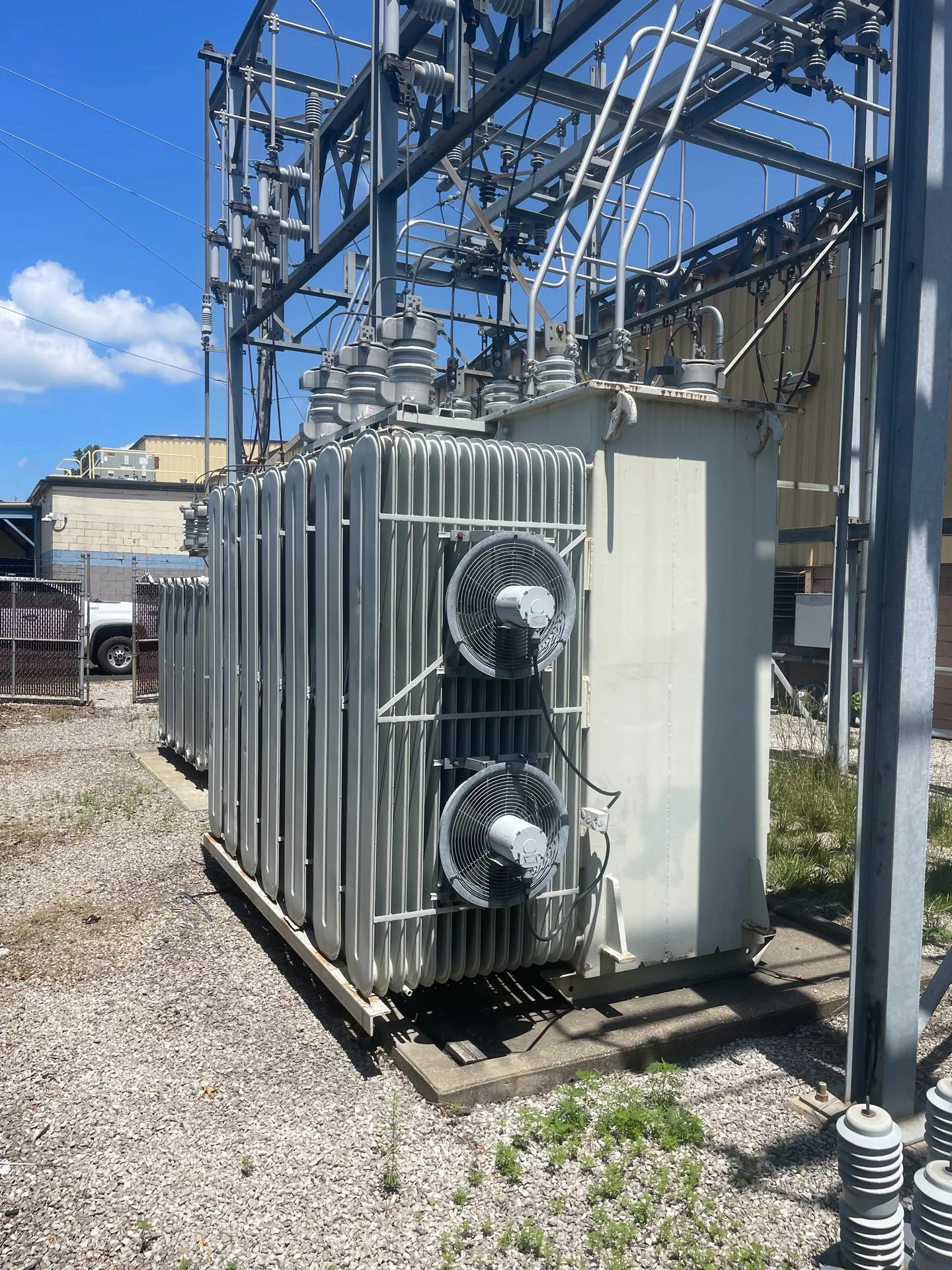
Sell Electrical Transformers in Georgia — Planning Guide
This planning guide helps contractors, facility managers, demolition teams, and equipment resellers prepare new, used, or surplus electrical transformers for sale anywhere in Georgia. It explains the technical details buyers need, how to document ownership, realistic site and handling constraints, long-distance freight realities, and project timing. The company referenced buys nationwide and this page is intended to help you present transformers clearly so buyers can evaluate interest efficiently. For safety and compliance, have qualified electrical, rigging, environmental, and transport professionals handle energization, disconnection, testing, fluid handling, and movement.
Evaluation starts with facts
Share the manufacturer, rating, voltage, phase, condition, quantity, and location before discussing value or pickup.
Collect readable nameplate and ownership documents first
A clear nameplate photo or transcription is often the fastest way for a buyer to assess a transformer. Key fields include manufacturer, serial and model numbers, kVA or MVA rating, primary and secondary voltages, phase, frequency, impedance, temperature rise, and design type (dry-type, oil-filled, pad-mounted, etc.). If the nameplate is damaged, any stamped identifiers, purchase invoices, or shipping receipts help. Also assemble proof of ownership, bills of sale, and any lien or encumbrance info so potential buyers can confirm title before making offer decisions.
bullets
- Nameplate photo or readable transcription (maker, model, serial, kVA/MVA, voltages, phase, frequency)
- Manufacturer and design type (dry, oil-filled, pad-mounted, substation class)
- Purchase invoices, maintenance records, recent test reports if available
- Quantity, exact site location, and whether units were energized at removal
- Ownership documents, liens, or utility replacement agreements
How buyers qualify equipment from photos and records
Buyers combine specification data, observable condition, and any test history to qualify a unit. Important technical items are kVA/MVA, primary and secondary voltage, phase (single or three-phase), frequency (50/60 Hz), and whether it’s step-up, step-down, or isolation. Age and visible condition—corrosion, damaged bushings, missing covers, or oil stains—affect perceived reuse or parts value. If test or service records exist, include dates and test types. Honest, detailed disclosure reduces surprises during inspection and speeds a useful response.
bullets
- Provide kVA/MVA, primary/secondary voltage, phase, and frequency when known
- State transformer function (step-up, step-down, isolation, auto)
- Describe visual condition: dents, paint loss, oil leaks, or missing components
- Attach service reports, dielectric tests, or recent maintenance logs if available
Site access, rigging, and loading realities to note early
Realistic offers depend on how a transformer can be removed and staged for pickup. Tell buyers about access points, gate widths, pavement condition, overhead clearances, and nearest crane setdown or truck staging area. Note how the unit is seated—on a pad, skid, vault, or floor—and provide approximate weight if known. Do not disconnect, energize, or do rigging unless performed by qualified contractors. Buyers need to know whether you will arrange removal teams or expect the purchaser to manage rigging and licensed electrical work.
bullets
- Describe access routes, gate widths, and overhead wire clearance
- Indicate seating (pad, skid, vault, floor) and approximate weight or weight estimate
- State whether seller or buyer will coordinate licensed riggers and electricians
- Flag local permitting, street closures, or special traffic/containment needs
Long-distance freight, packaging, and transportation constraints
Transport factors often determine whether a distant buyer can make a practical offer. Provide overall dimensions, gross weight or estimated weight range, and whether the unit contains transformer oil. Oil-filled units usually require fluid-handling, documentation, and carrier acceptance; dry-type units are typically simpler to ship. Clarify if the transformer can be forked, skidded, or requires specialized crating, and whether you can deliver to a carrier terminal or need onsite pickup. These details shape carrier quotes and scheduling feasibility.
bullets
- Overall dimensions and gross or estimated weight
- Whether the unit contains oil and whether oil has been drained/tested
- Whether the unit can be secured on a flatbed, needs special crating, or forklift points
- Nearest truck-accessible pickup point to avoid last-minute changes
Timing, documentation status, and scheduling expectations
Be explicit about your project timeline and any hard removal dates. Buyers will ask whether transformers must be cleared before demolition, tenant move-in, or other milestones and whether you need staged pickups. Early disclosure of ownership status, liens, or utility hold points prevents last-minute cancellations. If documents are incomplete, state that and provide what you have. Realistic timelines and transparent paperwork let buyers propose conditional offers, inspections, or coordinated removals that align with your schedule.
bullets
- State target removal window and any immovable deadlines
- Provide ownership documentation or note outstanding liens or utility agreements
- Indicate whether on-site inspections are allowed or remote review preferred
- Ask about conditional offers or staged pickups to match your project timeline
When a direct purchase isn’t practical: alternatives
Not every transformer will match a buyer’s current demand; if a direct purchase isn’t available, other channels exist. Consider equipment brokers or consignment to reach regional buyers, auctions for faster disposition when time is limited, parts resale for units with salvageable components, or licensed recycling and qualified disposal for non-serviceable or contaminated units. Always involve licensed environmental and rigging professionals for sampling, decommissioning, and waste handling when fluids or contamination are a concern.
bullets
- Broker or consignment sale to reach specialized regional buyers
- Auction for quick disposition with wider market exposure
- Parts harvesting or component resale for salvageable units
- Licensed recycling or qualified disposal when units are contaminated or unsafe
Common questions
Practical answers before you call
Metropolitan service guides
Explore Georgia city guides
Review the city guide closest to the equipment location for local planning details, site-access considerations, and a direct path back to this Georgia service guide.
One clear next step