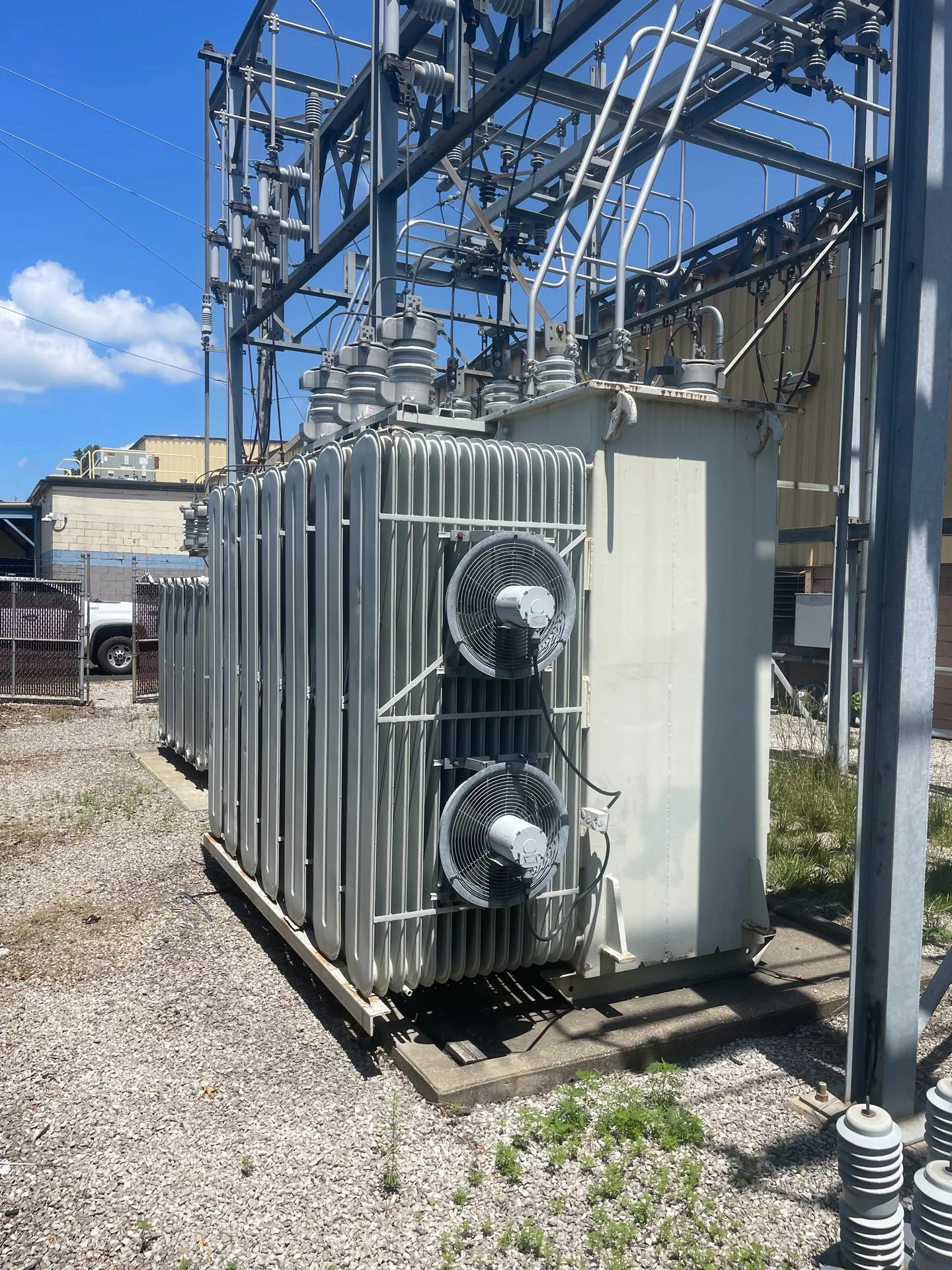
Sell Electrical Transformers in Idaho
If you are preparing to sell one or more electrical transformers in Idaho, this guide explains the practical information buyers and logistics teams will need. It focuses on documentation, equipment qualification, site access and loading, long-distance freight, project timing, ownership records, and realistic next steps when a direct sale is not a fit. We operate as a nationwide buyer; this page is intended to help sellers assemble the facts that influence whether equipment is marketable and how a transaction can be executed safely by qualified parties.
Evaluation starts with facts
Share the manufacturer, rating, voltage, phase, condition, quantity, and location before discussing value or pickup.
Essential documentation to gather before outreach
Start by assembling clear, verifiable records. A readable nameplate photo is the single most useful item because it usually lists manufacturer, serial number, model, kVA or MVA rating, primary and secondary voltages, phase, frequency, impedance, and temperature rise. Supplement the nameplate with photos of the entire unit, enclosure, bushings, control panels, and any damage. Ownership evidence, purchase invoices, and removal or transfer paperwork speed review and clarify title for a buyer.
bullets
- High-resolution nameplate photo (front-on, readable)
- Manufacturer, model, and serial number if separate from nameplate
- kVA/MVA rating, primary and secondary voltages, phase, frequency
- Design/type: dry-type, oil-filled, pad-mounted, isolation, auto, etc.
- Age, service history, and recent test or maintenance records
- Quantity, physical dimensions, and approximate weight per unit
How buyers typically qualify transformer equipment
Buyers evaluate technical fit, condition, and market demand. Nameplate data and manufacturer identity are primary determinants of reuse potential. kVA/MVA, voltage class, phase, and frequency determine whether a unit matches typical purchaser needs. Condition and documented testing—insulation resistance, turns ratio, dissolved gas analysis for oil units, and recent load history—help distinguish reusable assets from parts or scrap. Market demand fluctuates by type and size; clear records allow a faster, more accurate interest assessment.
bullets
- Visual assessment for corrosion, oil leaks, and structural damage
- Review of nameplate parameters against buyer requirements
- Verification of test, service, and load records when available
- Consideration of quantity: single units vs. lot purchases affect interest
Site access, disconnection, rigging, and loading considerations
Physical access affects whether a buyer can consider a direct purchase. Buyers assume the seller will arrange electrical disconnection and lockout by qualified professionals under applicable codes before any handling. For loading and rigging, note clearances, overhead lines, gate widths, ground bearing capacity, and the availability of a level staging area. Pad-mounted outdoor units, in particular, require careful traffic control and lifting plans. Provide weight and dimension details up front so lifting equipment and transport can be quoted accurately.
bullets
- Confirm electrical disconnection and isolation are handled by qualified personnel
- Measure gate, driveway, and door clearances and note overhead obstructions
- Identify crane or forklift capacity required and any ground or foundation limits
- Share staging area photos and whether traffic control or permits are needed
Long-distance freight and transport logistics
Shipping larger transformers often involves flatbed trailers, specialized crating, and permits for oversize or overweight loads. Accurate weight and dimensions, mounting or pad details, and whether oil has been drained influence transport method and cost. Freight carriers, brokers, or project forwarders may require documentation of ownership and a bill of sale. Insurance, loading at origin, transport routing restrictions, and unloading at destination should be planned in advance. Sellers should discuss handling requirements with potential buyers early in the process.
bullets
- Provide length, width, height, and gross weight for each unit
- State whether oil has been drained; some carriers restrict hazardous fluids
- Confirm nearest truck access point and whether an escort or permit is required
- Discuss insurance and liability for the transit leg before pickup
Project timing, coordination, and ownership records
Timing often determines whether a direct sale is practical. Buyers need time to review documentation, arrange inspections, and coordinate lifting and freight. Seasonal and regional transport constraints, facility operating schedules, and contractor availability can change lead times. Clear proof of ownership or authorization to sell is essential; many buyers require a signed bill of sale or similar paperwork. Notify prospective buyers of hard dates for site availability, and allow time for third-party service providers to schedule required work.
bullets
- Provide earliest and latest dates the unit can be accessed for inspection or pickup
- Gather signed ownership or authorization documents in advance
- Flag any site shutdown windows, peak facility operations, or seasonal constraints
- Coordinate timing for qualified electricians, riggers, and freight providers
If a direct sale isn’t an option: alternatives and next steps
Not every transformer will match a buyer’s technical or logistical needs. When a direct purchase is not feasible, sellers commonly explore auctions, equipment brokers, recyclers, or qualified disposal services. Auction and brokerage channels can reach different buyer pools but may take longer or involve fees. Recyclers handle units where contamination, severe damage, or lack of documentation make resale impractical. Always confirm that any removal, decommissioning, fluid handling, and disposal is performed by qualified contractors in accordance with applicable requirements.
bullets
- Auction platforms and broker networks for broader market exposure
- Equipment recyclers for units without resale value or with contamination
- Specialized buyers for parts pools or refurbishment opportunities
- Qualified disposal when legal or environmental issues preclude resale
Common questions
Practical answers before you call
One clear next step