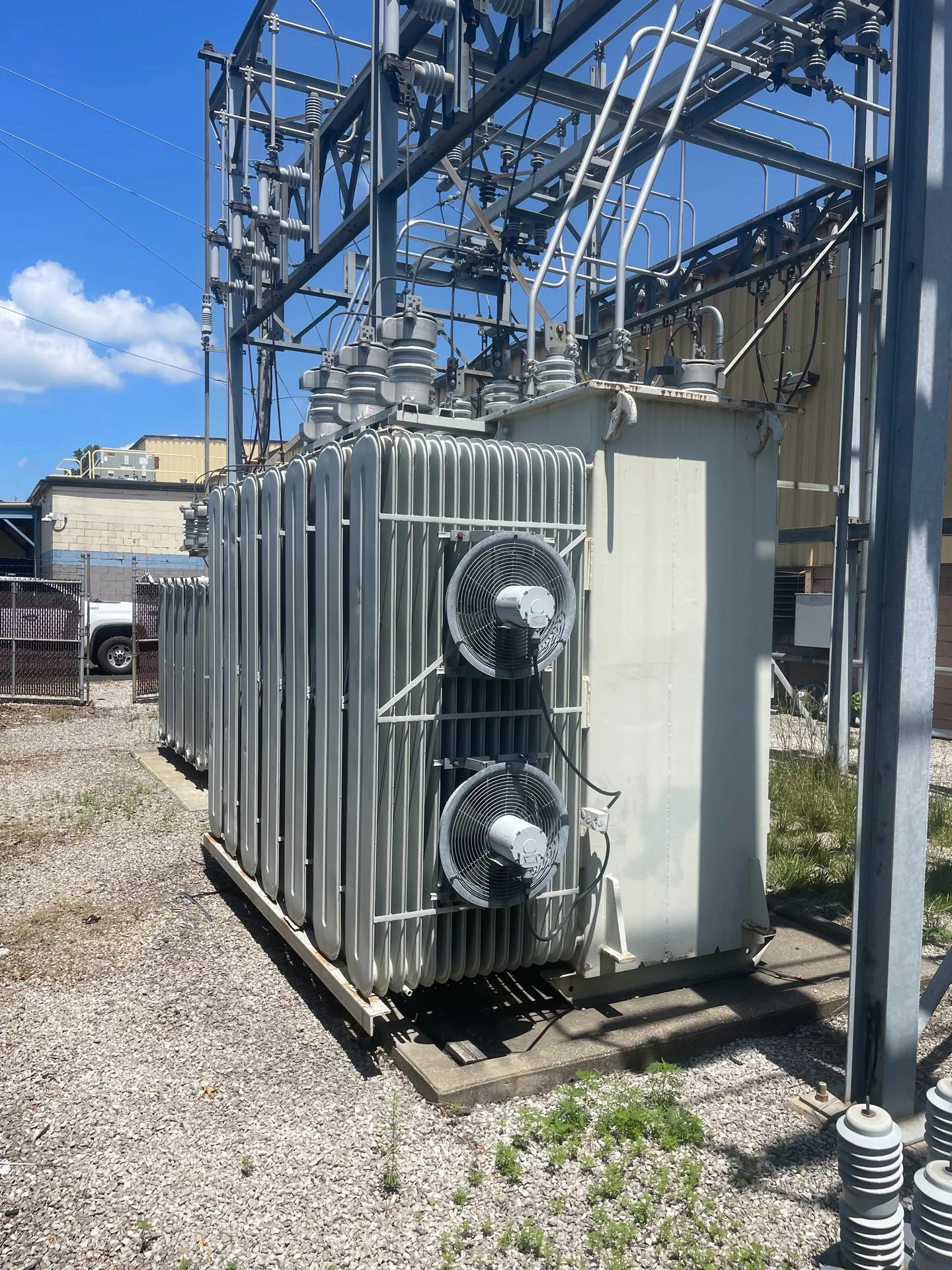
Sell Electrical Transformers in Connecticut
This statewide guide explains what owners and project teams should prepare before offering new, used, or surplus electrical transformers for sale in Connecticut. It walks through the documentation buyers need, how to qualify equipment, what to check about site access and loading, considerations for long-distance freight, how ownership and records affect a sale, and realistic timing expectations. The company referenced works as a nationwide buyer; this guide is about helping you organize a clear, safe, and efficient sale process whether you represent a contractor, facility, utility, or reseller.
Evaluation starts with facts
Share the manufacturer, rating, voltage, phase, condition, quantity, and location before discussing value or pickup.
Document the equipment: nameplate and records first
The single most useful step for a prospective buyer is clear documentation. A readable nameplate photo unlocks the transformer’s manufacturer, kVA/MVA rating, primary and secondary voltages, phase, frequency, serial and model numbers, impedance, and design type. If the nameplate is missing or illegible, include any stamped or cast information and additional component markings.
Beyond the nameplate, gather testing and service records, purchase invoices, maintenance logs, and removal notes. Test reports (e.g., insulation resistance, turns ratio, power factor) and recent service records materially change how buyers assess risk and value. Quantity and serial-numbered inventories make packaging and logistics planning much easier.
- Photograph full nameplate legibly from 1–3 feet
- Capture four-sided photos of the unit, bushings, base, and rating plates
- Assemble service/test reports, warranty or purchase documents, and serial lists
Qualify condition and design: what buyers will review
Be ready to describe the transformer’s design and condition. Buyers will care about whether the unit is dry-type or oil-filled, pad-mounted or indoor, three‑phase or single‑phase, and whether it’s a step‑up, step‑down, isolation, or auto‑transformer. Age, signs of corrosion or leaks, and whether the unit was last in service or never installed are important qualifiers.
Honest, specific condition notes speed evaluation. Note any known electrical faults, missing accessories, repairs, or internal contamination. If the unit has been pressure-tested, vacuum-dried, or had dielectric tests performed, include those dates and results. If you lack testing data, state that plainly—buyers will then factor the uncertainty into their review.
- Design type (dry vs. oil, pad-mounted vs. unit substation)
- Key specs: kVA/MVA, voltage, phase, frequency
- Condition highlights: leaks, corrosion, winding damage, missing parts
Site access, rigging, and loading: plan before offers
Logistics planning begins on site. Buyers will want clear information about where the transformer sits, how it can be accessed, and what lifting or rigging equipment will be required. Provide photos of approach roads, clearances, nearby structures, and the unit’s mounting (pad, skid, vault). Note height restrictions, overhead lines, and whether the unit is inside a building or in a fenced yard.
Do not attempt electrical disconnection, energization, or rigging unless handled by qualified personnel. State whether you have a preferred rigger or whether the buyer will need to arrange contractors. Clarify any site permits, traffic controls, or building hours that could affect the loading plan and cost.
- Describe access routes, gate sizes, and clearance limits
- Identify the transformer’s mounting and lifting points
- State if utilities must be de-energized and who will coordinate that work
Long-distance freight and packaging: realistic expectations
Transformers can be heavy, awkward, and costly to transport. If the likely buyer is out of state, expect freight to be a major factor in the offer. Provide the unit dimensions, skid or base details, and the weight if known. For oil-filled units, indicate fluid type and whether the unit is drained—regulations and carriers vary for shipping fluid-filled electrical equipment.
Buyers may propose pickup by flatbed, enclosed truck, or specialized heavy-haul carriers and will price those options. If you have preferred carriers or existing freight contracts, disclose that early. For long-distance moves, loading windows, staging areas, and escort requirements can affect timing and cost.
- Supply dimensions, approximate weight, and base/skid condition
- Note if liquid dielectric remains and whether draining is permitted on-site
- Indicate nearby staging or laydown areas for carrier operations
Ownership, transfer paperwork, and liability considerations
Clear ownership documentation reduces transaction friction. Have purchase orders, asset tags, company ownership records, or decommissioning approvals ready. If equipment is part of a larger site liquidation, explain any title or lien considerations. Buyers will need a simple chain-of-custody or bill of sale to transfer ownership at pickup.
Confirm who will sign the release, whether a third party must witness, and any internal approvals required before equipment can leave site. Be transparent about units tied to ongoing projects or leases; those constraints must be resolved before transfer of property can occur.
- Gather invoices, asset lists, and decommissioning approvals
- Clarify who is authorized to transfer ownership and sign documents
- Disclose liens, leases, or contractual holds on equipment
Timing, buyer demand, and alternatives if a sale isn’t right
Set realistic timing expectations. Depending on documentation, condition, and logistics complexity, buyers may need days to several weeks to complete a review and arrange pickup. Market demand for specific sizes, brands, and types fluctuates; uncommon or highly specialized units may attract fewer buyers, which can extend timelines.
If a direct sale to a nationwide buyer isn’t the best route, alternatives include industry auctions, brokers who specialize in electrical equipment, parts sales, or responsibly recycling the unit through qualified facilities. For units with salvage value only, provide that context early so all parties can consider disposal or recycling alongside resale options.
- Expect variable review and pickup timelines based on complexity
- Consider auction or brokerage for rare or high‑quantity lots
- Use qualified recyclers when unit is beyond reuse and resale
Common questions
Practical answers before you call
One clear next step