Sell Electrical Transformers in Delaware — Planning Guide
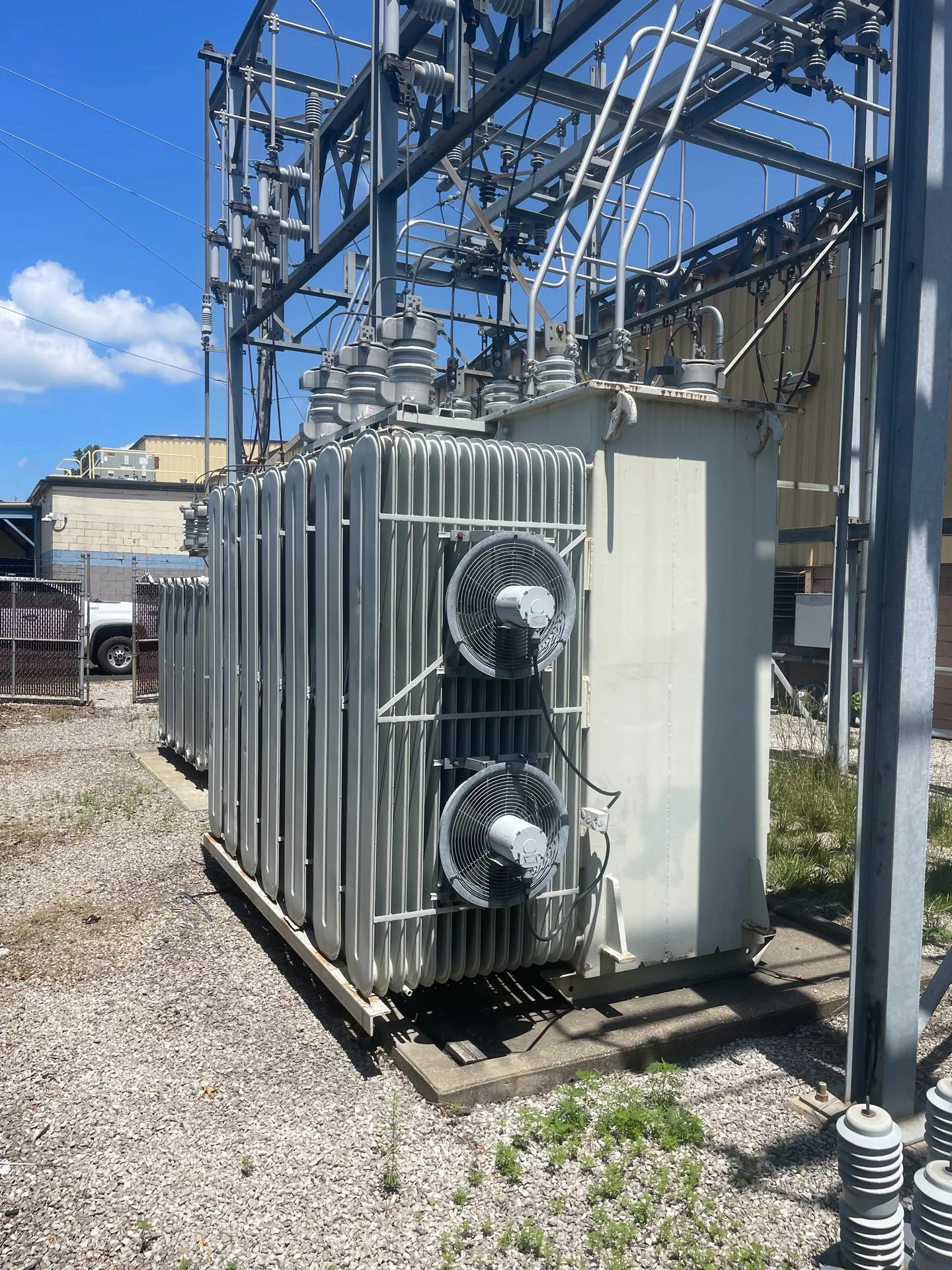
If you are preparing to sell new, used, or surplus electrical transformers in Delaware, planning ahead makes the process faster and reduces surprises. This guide explains the documentation buyers look for, how equipment is typically qualified, site-access and rigging considerations, long-distance freight issues, ownership and transfer matters, and sensible next steps when a direct sale is not a fit. We buy nationwide; this page explains what to prepare so buyers can evaluate your equipment accurately.
Evaluation starts with facts
Share the manufacturer, rating, voltage, phase, condition, quantity, and location before discussing value or pickup.
Gather accurate equipment details first
Before contacting prospective buyers, assemble the technical details that most affect interest and value. A clear nameplate photo is the most valuable single item: it commonly lists manufacturer, serial number, kVA or MVA rating, primary and secondary voltages, phase, frequency, and design type. Note whether the unit is dry-type or oil-filled, pad-mounted or indoor, and record known model numbers, physical dimensions, and approximate weight to help buyers assess transport needs.
If test or service records exist, collect them with purchase invoices or installation dates. Typical test documents that buyers request include turns-ratio, insulation resistance, hipot tests, and oil analysis for liquid-filled units. If records are incomplete, be candid about gaps and provide whatever measurements or photos you can. Quantity and the exact site location rounding out this basic data set usually speeds initial buyer interest.
- Nameplate photo: manufacturer, serial, kVA/MVA, voltages, phase, frequency
- Unit type: dry-type, oil-filled, pad-mounted, or distribution/power class
- Physicals: dimensions, approximate weight, and quantity
- Available tests and service records: hipot, turns ratio, oil analysis, purchase receipts
How buyers typically evaluate transformers
Buyers screen units for technical fit and resale or reuse potential. Key attributes are kVA/MVA rating, primary/secondary voltage pairing, phase (single or three-phase), frequency, impedance, and tap changer details. Design and serviceability factors—insulation class, cooling method, enclosure rating, and brand—also influence interest because they affect reconditioning scope and marketplace acceptance. For oil-filled transformers, oil condition and documented fluid handling are significant considerations.
Condition and documentation are weighed with specification match and current buyer demand. A well-documented unit removed in working order is easier to place than a weathered transformer with a missing or illegible nameplate. When nameplate data is unclear, model numbers, legible stamped plates, and clear photos of core parts can reduce uncertainty, but expect buyers to ask more questions or to request inspections before making an offer.
- Technical fit: kVA/MVA, voltages, phase, frequency, impedance
- Design: tap changers, cooling, insulation class, enclosure type
- Documentation: nameplate, serials, test records, maintenance history
- Condition: working removal vs. weathered, damaged, or incomplete units
Ownership, title and transfer considerations
For higher-value or multiple-unit sales, clear ownership documentation can streamline the transaction. Buyers will ask about invoices, asset tags tied to serial numbers, decommissioning authorizations, and any lien or encumbrance on the equipment. Be transparent about who holds title and whether the seller has the authority to sell. Lack of paperwork does not automatically preclude a sale, but it commonly triggers additional verification steps or an adjusted preliminary interest.
If the transformer was recovered during demolition, tenant turnover, or from a contractor yard, identify the decision-maker authorized to sign transfer documents. Providing a point of contact and basic provenance—where and when the unit was purchased or installed—reduces risk for both parties and helps buyers prepare purchase agreements and release forms with confidence.
- Purchase invoices, asset tags, or serial-numbered equipment lists
- Decommissioning or removal authorization and point of contact
- Disclosure of liens, encumbrances, or third-party claims
- Be prepared for additional verification if paperwork is incomplete
Site access, rigging and loading expectations
Site conditions heavily influence removal cost and feasibility. Provide clear photos of the transformer in place, approach routes, gate widths, overhead clearances, and nearby loading areas. Note whether the unit is indoors, on a concrete pad, in a fenced yard, or elevated. Describe ground conditions and distance from the nearest truck staging area; these details determine whether a standard forklift, crane, or specialized rigging will be required and whether additional site preparation is needed.
Always recommend that disconnection, isolation, fluid handling, lifting, and loading be completed by qualified contractors under applicable safety and regulatory requirements. Buyers will state expectations up front about who will arrange disconnects and which party coordinates rigging. If your organization will provide site services, make clear that licensed electrical and rigging professionals are responsible for the work.
- Show access routes, gate dimensions, and overhead obstructions
- Note placement: indoor room, pad-mounted outside, or elevated position
- Indicate available lifting equipment or need for crane/forklift
- Clarify responsibility for disconnection, permits, and qualified contractors
Long-distance freight and removal logistics
For buyers operating outside Delaware, transport is a key cost factor. Provide accurate dimensions, approximate weights, and skid or pad measurements so buyers and carriers can quote properly. Explain whether the transformer will fit on a standard flatbed, requires over-dimensional permits, or needs special crating. For oil-filled units, disclose fluid types and estimated volumes to identify environmental handling requirements and any necessary spill-control measures during transit.
Clarify early who will coordinate and pay for freight and whether pickup will be consolidated with other equipment. Some buyers include removal in an offer while others provide a pickup-only price and expect the seller to organize shipping. When long hauls or permit requirements are involved, allow additional lead time for carrier scheduling, routing, and seasonal delays to avoid last-minute changes.
- Provide weights and outer dimensions for trucking quotes
- Identify over-dimensional needs, permits, or escort requirements
- Disclose fluid types/volumes for oil-filled transformers
- Agree early on which party coordinates and pays for transport
Timing, offers, and alternatives if there’s no fit
Response time varies by unit complexity, documentation, and market demand. Small dry-type units with complete nameplate data typically receive quicker preliminary interest. Large oil-filled power transformers may require third-party inspections, testing, or permit planning before a firm offer. Share your removal deadlines and any facility outage windows early so buyers can align inspections, freight scheduling, and contractor availability with your timeline.
Not every transformer will match a direct buyer’s needs. If a buyer does not make an offer, alternatives include equipment auctions, specialized brokers, certified recyclers, or qualified disposal contractors for units that cannot be resold. Each path has different timelines, documentation needs, and recovery expectations; discuss the trade-offs so you can choose the option that fits your regulatory, schedule, and asset-recovery goals.
- Communicate removal deadlines and site windows up front
- Allow time for inspections, testing, and freight quotes
- If declined, consider auction, broker, recycler, or qualified disposal
- Keep all communications and documentation ready to speed any chosen path
Common questions
Practical answers before you call
One clear next step