Selling Electrical Transformers in Iowa
This page is a planning guide for facility managers, contractors, utilities, and equipment resellers in Iowa who need to sell new, used, or surplus electrical transformers. It explains the documentation buyers typically need, the technical and physical factors that affect qualification and pricing, how site access and loading shape logistics, and what to expect for long-distance freight and project timing. The goal is to help you organize information and plan safely so potential buyers can evaluate your equipment efficiently. Our company operates as a nationwide buyer; this guide explains what matters, not any local claims.
Evaluation starts with facts
Share the manufacturer, rating, voltage, phase, condition, quantity, and location before discussing value or pickup.
Collect identification and ownership documents first
Start by gathering the paperwork and photos that prove what the transformer is and who owns it. A clear nameplate photograph is often the single most helpful item because it typically lists manufacturer, serial number, kVA or MVA rating, primary and secondary voltages, phase, frequency, design type, and temperature rise. Ownership documentation such as purchase invoices, asset tags, or a bill of sale helps buyers confirm transferability and any encumbrances before advancing an offer.
If you have test or service records, include them with your submission. Routine maintenance logs, dielectric or insulation test results, and recent load history can materially affect a buyer’s interest and the offer range. When records are incomplete, note what’s missing and provide the best available context—installation date, storage conditions, and recent operating environment will help a reviewer form an early assessment.
Describe the technical specification and condition
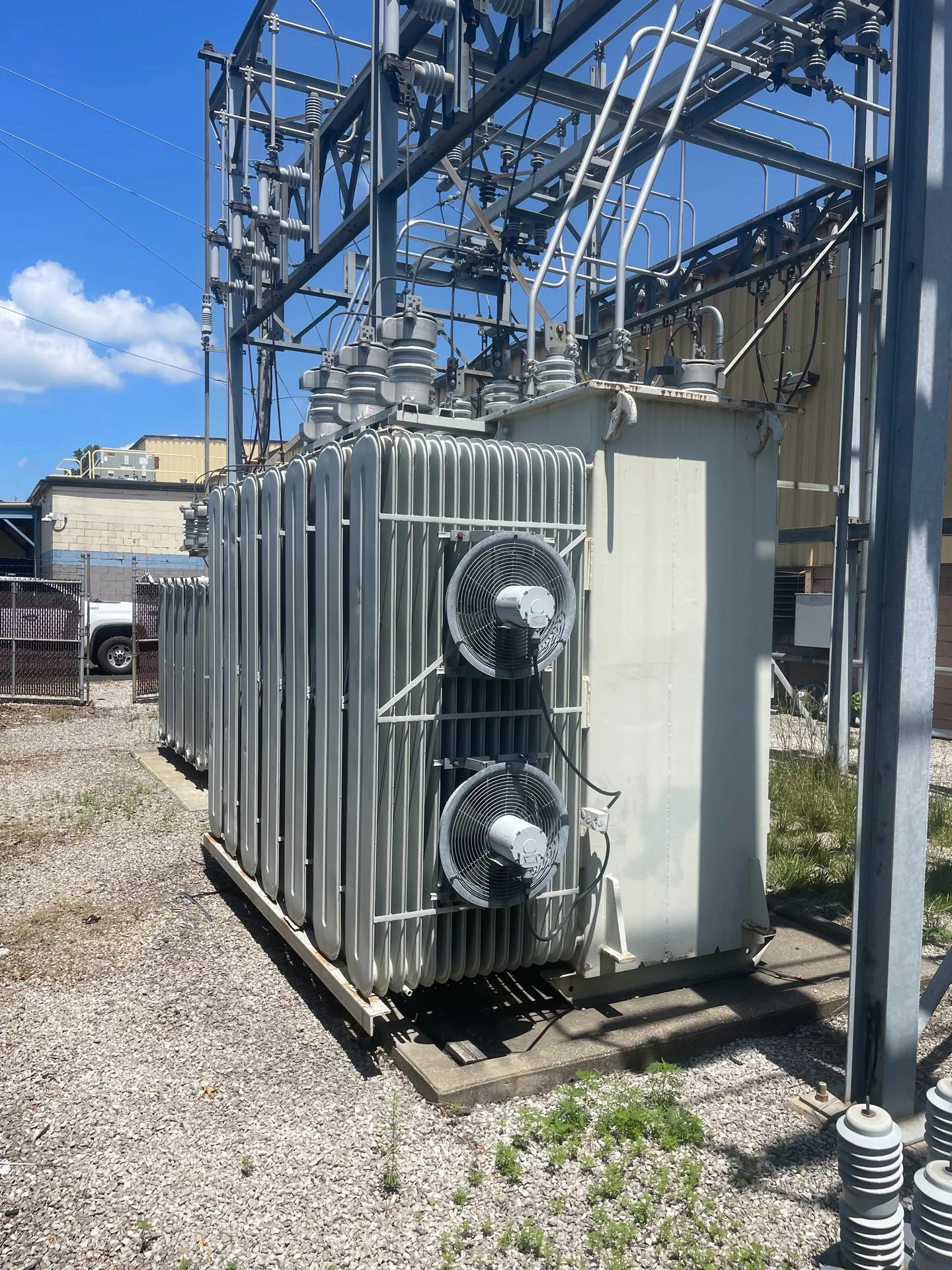
Beyond the nameplate, summarize the transformer’s configuration and condition in plain terms. Indicate whether it is dry-type or oil-filled, pad-mounted or indoor cabinet, single-phase or three-phase, step-up or step-down, and whether it includes accessories such as LTCs, bushings, fans, or tap changers. State the rated kVA/MVA, primary and secondary voltages, frequency (50/60 Hz), and insulation class if known. These attributes determine which markets and buyers will be interested.
Be candid about condition issues. Note evidence of past faults, oil leaks, corrosion, missing components, or physical damage, and provide dated photos of problem areas. If the unit has been offline for years, that matters; if it was removed under emergency conditions, explain what was done to make it safe. Buyers evaluate reuse, parts recovery, and recycling differently, so clear condition notes reduce delays and unrealistic expectations.
- Key nameplate and spec items to capture: manufacturer, serial/model number, kVA or MVA, primary voltage, secondary voltage, phase, frequency, impedance, and temperature rise.
- Condition and service records to include: dielectric tests, oil analysis reports (for liquid-filled units), maintenance logs, and history of load operation or fault events.
- Quantity and configuration: single unit, matched bank, or multiple skids—larger lots influence handling and freight options.
Plan site access, rigging, and safe loading
Physical access often dictates whether a buyer can make an offer or how much they will deduct for removal. Describe the transformer’s exact location on the property, the level of overhead clearance, gate widths, approach surfaces, and any height/weight restrictions on nearby roads or bridges. If the transformer sits inside a building, in a vaulted electrical room, or on a raised pad, include photos showing the pathway from the street to the unit.
Hiring qualified rigging and electrical professionals is essential. Transformer disconnection, de-energization, draining of insulating fluids, and any attachments should be handled by licensed electricians and riggers under applicable codes and permits. Buyers assume risk for transport but will expect the seller to disclose access constraints, confined spaces, and any required permits. If you anticipate specialized lifting equipment or traffic control, mention that early to avoid scheduling surprises.
Consider long-distance freight and packaging needs
Long-distance transport for transformers requires planning for weight, center of gravity, and environmental protection. Buyers and carriers may require the transformer to be mounted on a skid, crated, or have bushings and insulating components disassembled for safe transport. For oil-filled units, carriers may ask for secondary containment and documentation related to fluid handling and hazardous-material compliance. Share the unit’s weight, dimensions, and any required special blocking or bracing details when available.
Insurance, carrier availability, and seasonal weather can also influence timelines and cost. Remote delivery points or sites with limited staging space might require drop yards or temporary storage, which should be discussed up front. If you already have a preferred carrier or a broker, note that; otherwise indicate whether the buyer should factor in arranging a transporter for a long haul.
Timing, quantities, and current buyer interest
Project timing affects how buyers evaluate opportunities. Buyers are more likely to prioritize equipment that can be reviewed and removed on a clear schedule. Provide target removal dates, any blackout periods tied to facility operations, and whether transformers must remain in place until replacement equipment arrives. If you have multiple units or an equipment package (switchgear, panels, breakers), state quantities and whether they will be grouped for sale—bulk lots can attract different buyers than single pieces.
Market demand can fluctuate with seasonality, utility work cycles, and broader surplus flows. Be prepared for variability: some transformers will attract offers for reuse, others may be valued mainly for parts or scrap. A buyer’s interest depends on specification fit and logistics; transparency about timeline and packaging helps avoid surprises and keeps the process efficient.
Next steps: submitting information and alternatives
When you’re ready to start, assemble clear photos (overall views, nameplate, problem areas), a written summary of specs and condition, ownership documents, and a statement of desired timing. Our company reviews submissions nationwide and will respond based on the information provided and current buying interest. Expect a fact-based evaluation rather than a guaranteed outcome—some units are resalable, some are better suited for parts reclamation, and some require responsible disposal.
If a direct purchase is not feasible, consider alternatives such as auction platforms, independent equipment brokers, or licensed recyclers for environmentally compliant disposal. Each path has trade-offs: auctions can move equipment faster but with more price uncertainty, while brokers may find specific niche buyers. For any path, ensure electrical disconnection, environmental handling of fluids, and heavy lifting are performed by appropriately qualified professionals under applicable regulatory requirements.
Common questions
Practical answers before you call
One clear next step