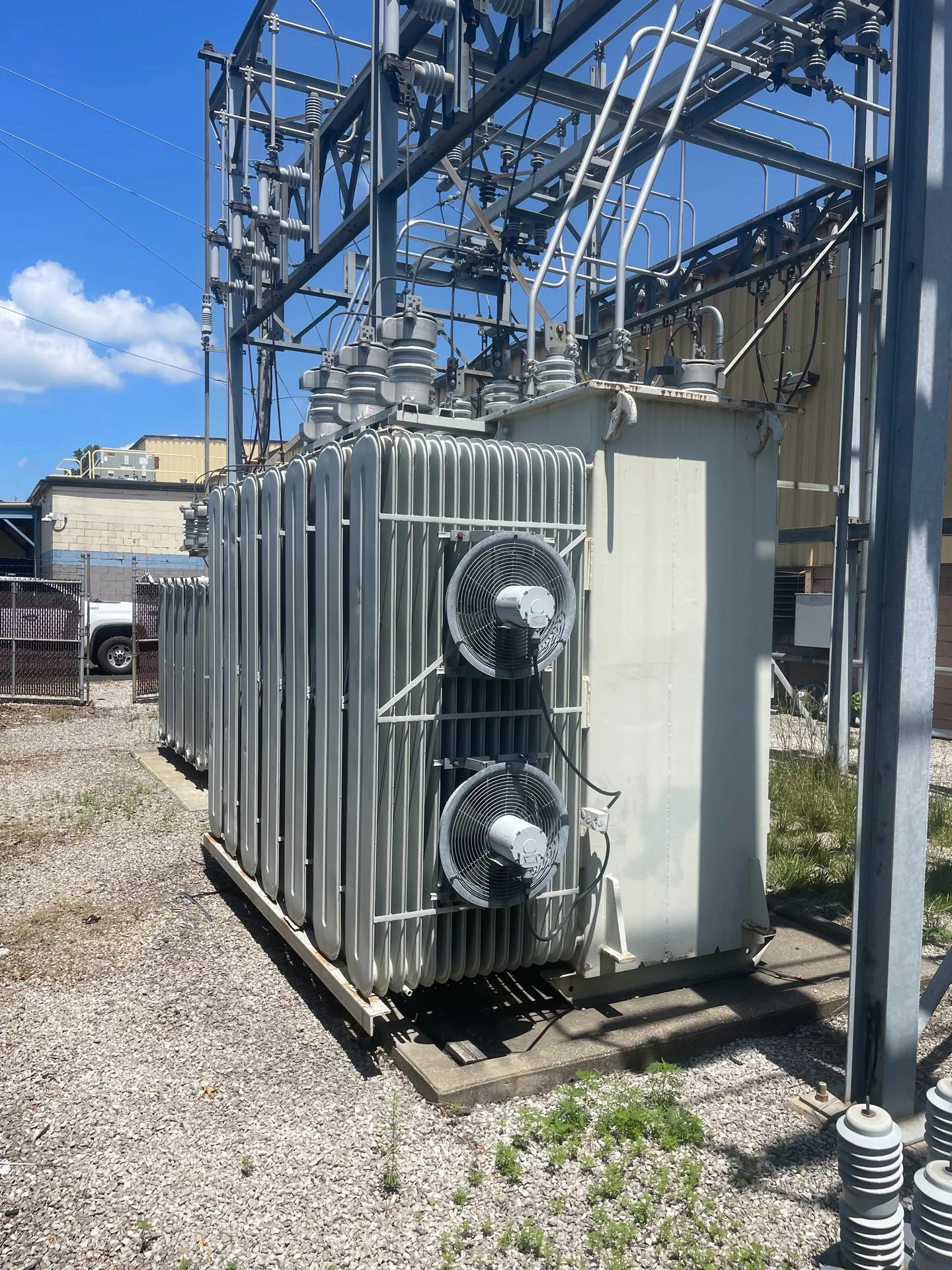
Sell Electrical Transformers in Kansas — Planning Guide
This guide helps electrical contractors, facility managers, utilities, manufacturers, demolition teams, and equipment resellers prepare to sell new, used, or surplus electrical transformers anywhere in Kansas. It explains the documentation and technical details buyers commonly need, how to evaluate site access and loading, what to expect for freight and timing, and sensible alternatives if a direct sale doesn’t match your equipment or schedule. Our company buys nationwide; this page focuses on planning rather than on transactional promises.
Evaluation starts with facts
Share the manufacturer, rating, voltage, phase, condition, quantity, and location before discussing value or pickup.
Start with ownership and basic documentation
Before requesting a review, gather records that establish ownership and the transformer’s history. Useful items include purchase invoices, transfer documents, serial numbers, and any ownership or custodial paperwork. Buyers will also ask for the asset’s current location and any liens or encumbrances that could affect transfer. Clear ownership records speed up reviews and reduce uncertainty during negotiation and contracting.
If you don’t have complete paperwork, provide what you do have and note gaps. Photographs of the unit and a readable nameplate are often enough to begin a conversation. Be honest about missing records; some units can be evaluated for parts or scrap value when full documentation is unavailable, while others require clear title to proceed to resale or reuse.
- Collect purchase orders, invoices, or transfer paperwork when available
- Note serial numbers and model numbers found on the nameplate
- Disclose liens or custody issues early to avoid delays
Confirm nameplate data and technical qualifications
Buyers use nameplate data and technical details to determine suitability and market demand. Key specifics include manufacturer, kVA or MVA rating, primary and secondary voltages, phase (single‑ or three‑phase), frequency, and design type (dry‑type, oil‑filled, pad‑mounted, autotransformer, isolation, step‑up/down). A clear nameplate photo that shows serial and model numbers makes initial qualification far faster.
Also note impedance, temperature rise, vector group, and enclosure ratings if visible. If the unit was part of a specific system (for example a substation or a production line) include how it was configured and any known modifications. These details influence whether a buyer sees the transformer as reusable, a parts source, or material for recycling.
- Photograph the entire nameplate and the unit from multiple angles
- Record kVA/MVA, voltage levels, phase, frequency, and manufacturer
- List enclosure type and visible accessory equipment (bushings, conservator, LTC)
Assess condition and test or service records
Condition and testing history are central to buyer decisions. Provide age, hours of service or operational history, visual condition, and any maintenance or repair logs. Test reports—such as turns ratio tests, insulation resistance, power factor, dissolved gas analysis (DGA) for oil-filled units, and routine service records—substantially improve confidence and can change how a buyer values equipment.
If professional testing hasn’t been performed, note any known faults, leaks, corrosion, or burn marks. Do not attempt electrical testing, disconnection, or fluid handling yourself; those activities should be completed by qualified technicians under applicable safety and environmental requirements. Buyers will often request that qualified parties complete or witness specific tests prior to final offers.
- Provide any available test reports and maintenance logs
- Describe visible condition, signs of wear, and known faults
- Recommend qualified professionals for disconnection or testing when needed
Plan site access, rigging, and loading
Physical access is often the limiting factor for a sale. Describe the exact location on site, obstructions, overhead clearances, gate widths, and road surface conditions. Indicate whether transformers are indoor or outdoor, at grade, on pads, or elevated. Buyers and carriers will need this to estimate rigging equipment, cranes, forklifts, or specialized trailers required for removal and loading.
Rigging, lifting, and disconnecting energized equipment must be handled by qualified personnel following applicable codes and safety procedures. Provide contact details for on‑site rigging crews or third‑party contractors if available. Early dialogue about loading plans and any permitting or site‑specific safety requirements reduces surprises and keeps project timelines realistic.
- Map precise site access, including gate and road widths
- State whether unit is indoor, outdoor, on a pad, or elevated
- Identify preferred or required rigging contractors if you have them
Expectations for long-distance freight and logistics
When a buyer is not local, freight becomes a key cost and scheduling factor. Provide the pickup ZIP or nearest city and note restrictions such as low bridges, weight limits, or time-of-day access. For large transformers, carriers may require route surveys and permits; these add lead time. Buyers will consider freight cost vs. equipment value when making offers, so accurate logistics details yield more realistic proposals.
Discuss whether the unit can be partially disassembled, crated, or skidded to reduce shipping complexity. If environmental handling (oil draining, containment) is necessary before transport, state whether your team or a contractor will perform those tasks. Again, trained professionals must handle hazardous materials under applicable regulations.
- Provide precise pickup location and any road or weight restrictions
- Note if the unit can be prepared for transport on site (draining, crating)
- Allow extra lead time for permits, route surveys, and carrier scheduling
Timing, buyer demand, and viable alternatives
Project timing affects offers. Current buyer demand, seasonality, and the availability of suitable freight or rigging crews can lengthen or shorten timelines. Be clear about target removal dates, whether the transformer must be moved during a plant outage, and any deadlines tied to demolition or renovation. Buyers will align offers with realistic pickup windows and associated costs.
Not every transformer will receive a direct purchase offer. If a direct sale is not feasible due to condition, documentation, or logistics, alternatives include listing through an equipment broker, selling at auction, parting out for components, or working with certified recyclers or qualified disposal services. Discussing alternatives early helps you recover value while complying with safety and environmental obligations.
- Communicate required removal dates and any outage constraints
- Understand that demand and logistics affect offer timing
- Consider brokers, auctions, parts sales, or certified recyclers as alternatives
Common questions
Practical answers before you call
One clear next step