Sell Electrical Transformers in Maine — Planning Guide
This guide helps facility managers, contractors, utilities, demolition teams, and equipment resellers in Maine prepare transformers for sale and evaluate realistic outcomes. It explains the documentation buyers typically need, how to qualify equipment by specification and condition, what site access and rigging usually involve, and how long-distance freight and scheduling affect offers. We operate as a nationwide buyer that reviews submitted information to determine interest; we do not represent a local branch or imply local on-site crews.
Evaluation starts with facts
Share the manufacturer, rating, voltage, phase, condition, quantity, and location before discussing value or pickup.
Collect readable nameplate and technical data first
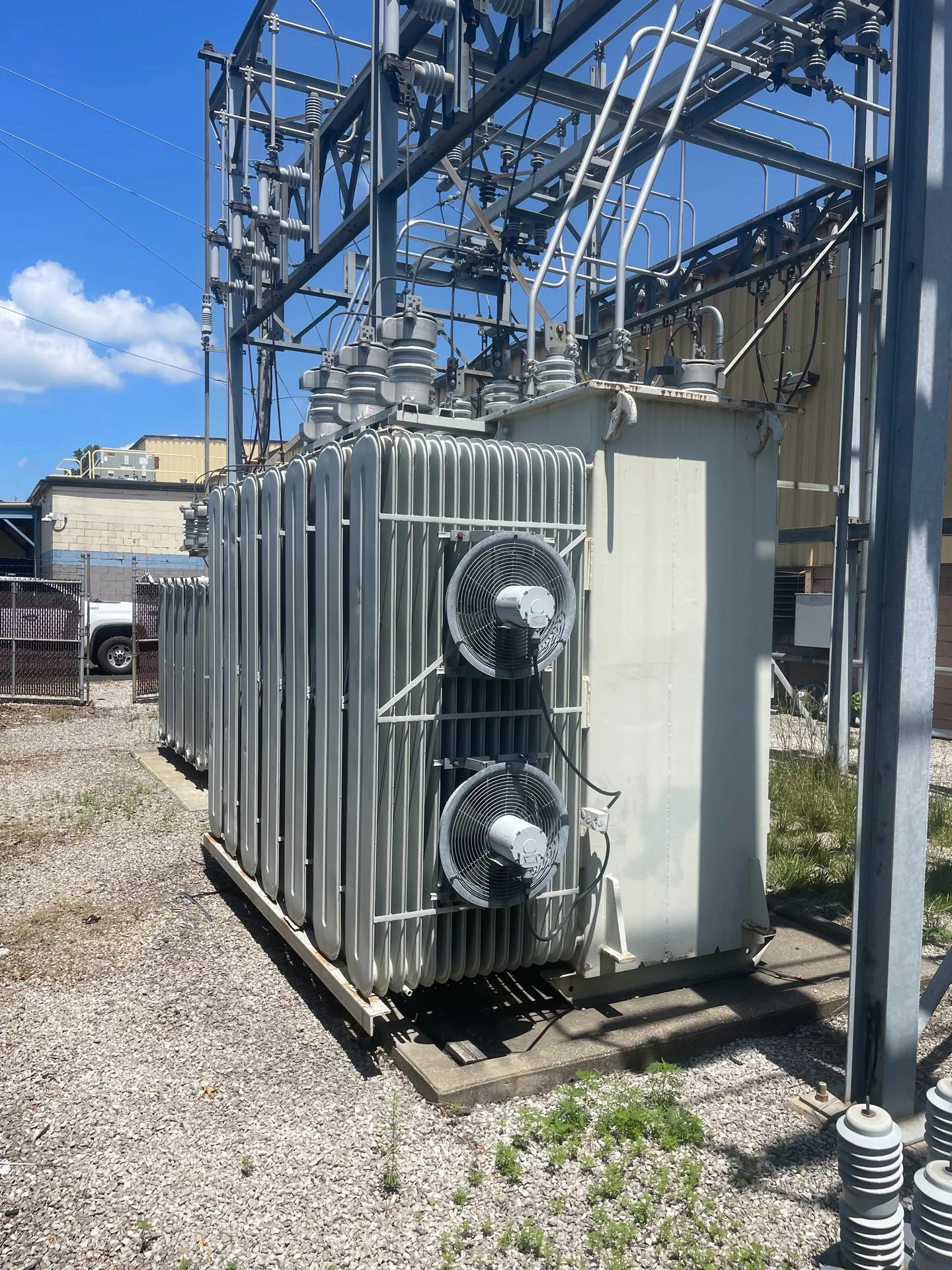
A clear nameplate photo speeds any buyer review. Nameplate fields that matter include manufacturer, serial and model numbers, kVA or MVA rating, primary and secondary voltages, phase, frequency, impedance or percent Z, and rated temperature rise. Also note whether the unit is dry-type, oil-filled, pad-mounted, autotransformer, isolation, or another design. If the plate is missing, gather model tags, purchase invoices, or close photos of bushings and internal components so the unit can be identified for reuse or parts recovery.
Provide quantity and any matching set information if you have multiple units. Buyers consider single pieces differently from lots because logistics, refurbishment economics, and demand change with volume. Even a simple spreadsheet listing serials, ages, and functional notes for each unit helps compare options quickly and avoids repeated clarification requests.
- Photograph: full unit, nameplate close-up, bushings/terminals
- Record: kVA/MVA, primary/secondary voltage, phase, frequency
- List quantity, serial/model numbers, and unit type
Confirm ownership, title, and transfer documentation
Before formal offers, be ready to show clear title or authorization to sell. Typical documents include purchase invoices, asset tags, surplus declarations, lease-end paperwork, or transfer approvals from property owners. Buyers will ask who can authorize removal and where the equipment is located. Identifying liens, vendor holdbacks, or project retainage early prevents delays and clarifies whether the seller or another party must approve disposition.
If the transformer was recovered during demolition or from leased premises, have written authorization available. Lack of verifiable ownership often requires additional legal or administrative steps and can delay or cancel an otherwise acceptable transaction.
- Locate invoices, certificates of ownership, or surplus approvals
- Note any liens, retainers, or vendor restrictions
- Document who can authorize pickup and transfer
Describe condition and service history honestly
Condition drives whether a transformer is reusable, suitable for parts, or destined for recycling. Describe operational history, visible corrosion, oil leaks, damaged bushings, or evidence of overheating. Include any available test or service records—turns-ratio, insulation resistance, dissolved gas analysis, and maintenance logs are particularly useful. Buyers will weigh refurbishment cost against expected reuse value, so accurate, candid condition notes reduce surprises during inspection.
If service records are missing, a clear description plus photos may still attract interest, but offers will reflect the extra uncertainty and potential inspection or repair costs. Be prepared that some units will be routed to parts recovery or certified recycling rather than resale.
- Report visible damage, leaks, or missing components
- Attach recent test reports when available (DGA, TR, IR)
- State installation history and estimated age
Document site access, rigging needs, and loading constraints
Access is often the decisive logistic factor. Note site approach routes, gate widths, overhead clearances, road turning radii, ground bearing capacity, and whether the unit sits indoors, on a pad, or inside fenced substations. Indicate if cranes, mobile gantries, forklifts, or specialty rigging are required. Photographs showing approach and lifting points let buyers estimate equipment and crew needs without an immediate site visit.
Removal, electrical disconnection, and rigging must be performed by qualified personnel under applicable safety and permitting requirements. Provide information about any onsite restrictions—time windows, permit needs, confined-space rules—so bids can include realistic labor, equipment, and coordination costs.
- Show approach routes, gate widths, and overheads
- Specify required lifting gear (crane, forklift) and staging area
- Describe site scheduling, permits, and escort needs
Plan for freight, overweight permits, and long-distance logistics
Transport influences feasibility and net value, especially for large distribution or power transformers. Provide unit dimensions and estimated weight class so carriers can advise on permit needs, escort requirements, and route restrictions. Smaller units may ship on standard flatbeds; larger units often require specialized hauling, skidding, or crating. For oil-filled units, carriers may require documented draining or specific placarding—confirm requirements before pickup.
Clarify who will arrange and pay for freight, who carries cargo insurance in transit, and where the unit will be delivered. Long-distance moves can add lead time for permits and carrier availability; factor seasonal and weather-related delays into schedules when planning removal or sale.
- Provide dimensions, weight, and skid/crate needs
- Ask whether buyer or seller will arrange transport and insurance
- Allow time for permits and carrier scheduling
Set timeline expectations and understand buyer demand
Timing affects options. Buyers consider specification fit, condition, quantity, location, and current market demand before making offers. Some transformers move quickly; others require refurbishment, testing, or parts recovery and may take longer to monetize. Communicate any project deadlines, shut-down windows, or demolition schedules early so buyers can assess whether they can meet removal dates or whether alternative disposition paths are needed.
If a direct purchase is not appropriate, alternatives include auction, equipment brokers, parts-only sales, or qualified recycling and disposal. A buyer’s initial review often identifies the most practical path given the unit’s specifications, condition, and logistics.
- Provide target removal or project deadlines up front
- Understand that demand varies by type, size, and condition
- Consider auctions, brokers, or recycling if direct sale isn’t viable
Common questions
Practical answers before you call
One clear next step