How to Sell Electrical Transformers in Montana — Planning Guide
If you’re planning to sell one or more electrical transformers anywhere in Montana, this guide helps you prepare the information buyers typically need and identify common logistics issues. We are a nationwide buyer of qualifying new, used, and surplus transformers; this page explains documentation, equipment qualification, site access, loading, long‑distance freight, and timing so you can decide the best next steps and present the equipment clearly to potential buyers.
Evaluation starts with facts
Share the manufacturer, rating, voltage, phase, condition, quantity, and location before discussing value or pickup.
Documentation buyers look for
Many offers start and end with paperwork and photos. A readable nameplate photo is the single most useful item because it usually lists manufacturer, serial and model numbers, kVA or MVA rating, primary and secondary voltages, phase, frequency, impedance, and temperature rise. Additional helpful records include purchase invoices, ownership or transfer documents, routine maintenance logs, and recent test or service reports such as turns‑ratio, power‑factor, or dielectric tests. Provide quantity, general site address, and whether the unit is new, stored, removed, or in service.
bullets
- Nameplate: manufacturer, model, serial, kVA/MVA, voltages, phase, frequency
- Unit type: dry‑type, oil‑filled, pad‑mounted, substation, auto or isolation
- Test/service records: turns ratio, insulation/power factor, recent repairs
- Quantity and ownership proof: bills of sale, surplus lists, or asset tags
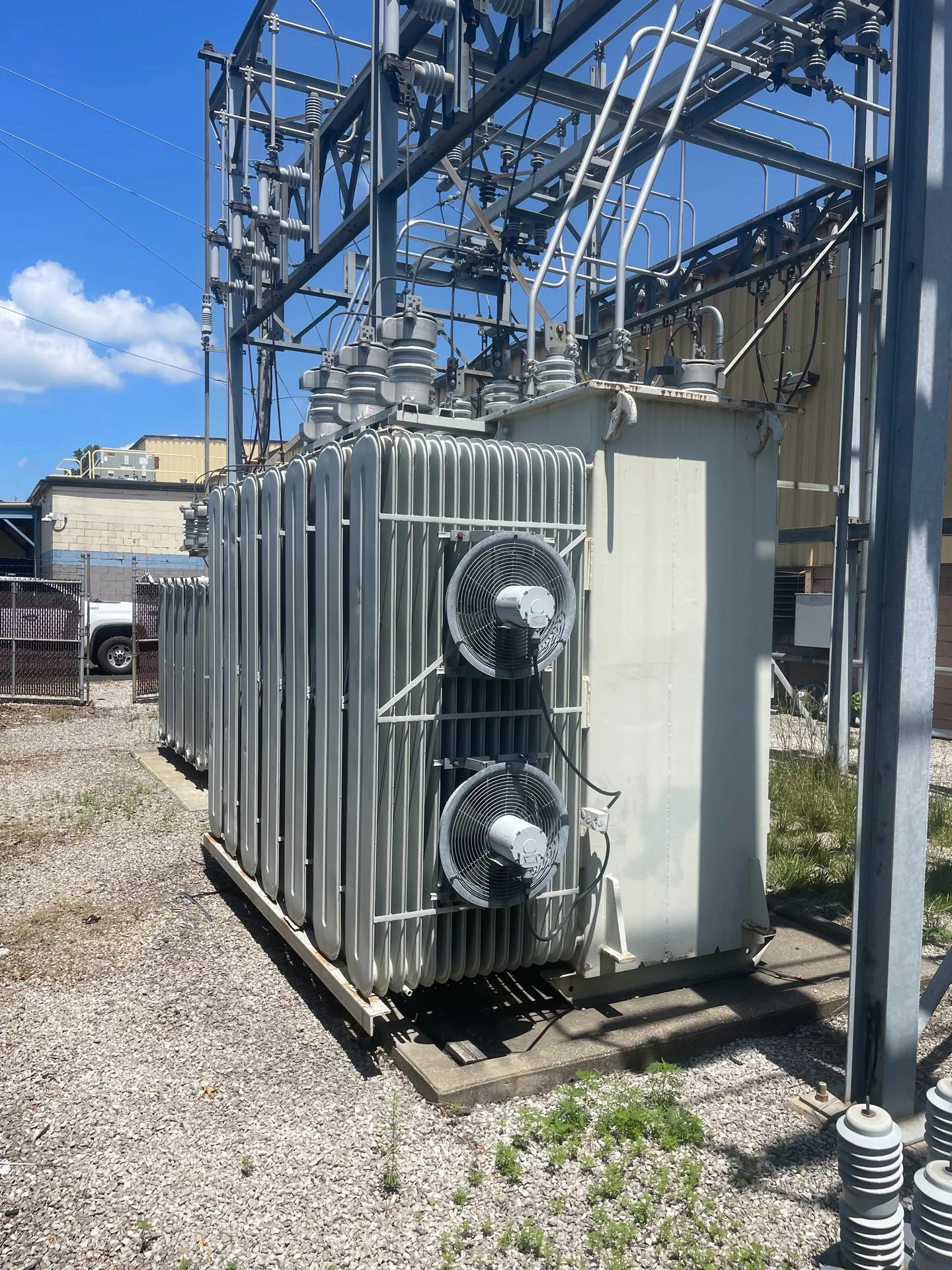
- Clear photos: full unit, nameplate, bushings, access panels, and damage
How condition and design affect qualification
Condition and design type strongly influence reuse potential. Buyers evaluate age, enclosure and bushing condition, presence of oil and any visual leaks, missing components, corrosion, and whether the unit has been retrofitted or repaired. Design elements such as single‑phase versus three‑phase, pad‑mount versus indoor dry‑type, step‑up versus step‑down, and thermal ratings all matter. If you have laboratory or shop test reports, include them; if not, disclose known issues and the last in‑service date so a buyer can assess risk and potential reconditioning cost.
bullets
- Design: pad‑mounted, vault, substation, pole, or indoor dry‑type
- Phase and frequency: single‑phase or three‑phase; 50/60 Hz designation
- Service history: last load, preventive maintenance, and repair records
- Contamination concerns: oil leaks, suspect fluids, or unknown solvents
Site access, rigging and loading considerations
Site access and lifting capability are frequent deal‑makers or deal‑breakers. Describe access routes, gate widths, overhead clearances, ground conditions, whether the unit sits indoors or on a pad, and the nearest road class. Buyers will need to evaluate whether a crane, forklift, boom truck, or specialized trailer is required. Provide lifting points, skid or base dimensions, and whether onsite riggers and electrical disconnects are available. Do not attempt electrical disconnection, testing, or rigging without qualified professionals who follow applicable regulations.
bullets
- Access: road type, gate widths, overhead lines, staging area availability
- Lifting: approximate weight, lifting lugs, skid or base info
- Onsite resources: crane availability, riggers, electrical disconnects
- Permits and timing: property access windows, traffic or lane permits
Long‑distance freight and transport logistics
Transports across long distances add complexity and cost. Over‑dimensional or heavy units may need special carriers, route permits, escort vehicles, and seasonal planning for mountain passes or winter restrictions. Confirm whether the buyer will arrange freight through a third‑party carrier or whether the seller prefers to contract transport directly. Provide clear weight and dimension data, whether oil remains inside, and whether packaging or cradles are required. Insurable pickup and secure staging for the outbound load reduce risk and clarify responsibilities up front.
bullets
- Weights and dimensions for lift planning and carrier quotes
- Whether oil is present and container/drainage status
- Crating or shoring needs for highway shipping
- Carrier coordination: who arranges, insurance, and permits
Timing, demand and what to expect from offers
Turnaround from first inquiry to a written offer varies based on quantity, documentation quality, access, and current buyer demand. Units with clear nameplate data, good photos, recent tests, and easy access typically receive faster reviews. Not every transformer will receive a commercial purchase offer; condition, contamination risk, or lack of market demand can limit options. If a direct purchase is not viable, sellers may consider auction, working with an equipment broker, selling for parts, or arranging responsible recycling or qualified disposal.
bullets
- Complete file + easy access = faster review
- Large or matched sets of transformers can change buyer interest
- Market demand fluctuates by type, size, and condition
- Alternatives if no purchase offer: auction, broker, parts sale, recycler
Next steps and seller checklist
Before reaching out to buyers, assemble a concise package: clear photos including a readable nameplate, a written list of quantities and locations, any test or maintenance records, and an access summary describing lifting and transport constraints. Note ownership documentation and any environmental or regulatory issues you know about. Presenting this information up front helps buyers evaluate quickly and propose realistic options. For heavy lifts, testing, or decommissioning, engage qualified contractors and follow all applicable laws and safety practices.
bullets
- Photograph nameplate and all sides of each unit
- List kVA/MVA, voltages, phase, manufacturer, and serials
- Document quantity, last in‑service date, and test reports
- Describe site access, estimated weight, and lifting points
- Disclose known contamination or missing parts up front
Common questions
Practical answers before you call
One clear next step