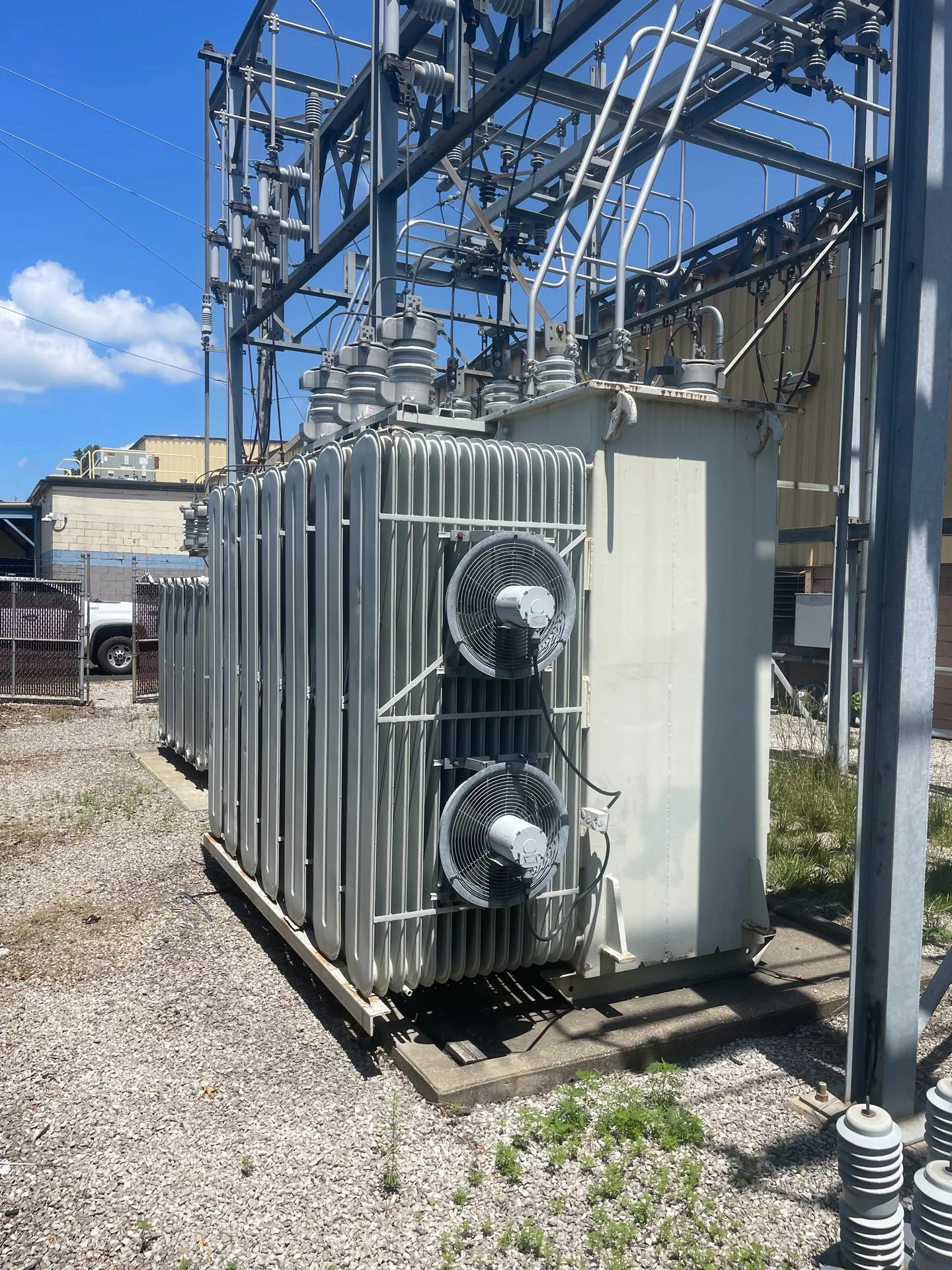
Sell Electrical Transformers in Nebraska
This statewide planning guide helps contractors, facility managers, demolition teams, and equipment resellers prepare electrical transformers for sale or removal in Nebraska. It explains the documentation buyers typically request, how equipment qualification affects interest, what site access and rigging details matter, and how long-distance freight and project timing influence outcomes. We operate as a nationwide buyer; use this guide to gather the facts and coordinate with qualified professionals before seeking offers.
Evaluation starts with facts
Share the manufacturer, rating, voltage, phase, condition, quantity, and location before discussing value or pickup.
Gathering essential documentation and identification
Before contacting a buyer, compile whatever documentation you can find. A clear nameplate photo is the single most useful item; it commonly shows manufacturer, serial number, model, kVA/MVA rating, primary and secondary voltages, phase, frequency, and design type (for example dry-type or oil-filled). Supplement the nameplate with purchase receipts, maintenance or test/service records, and ownership proof when available. Even partial records help a buyer assess reuse potential and liability considerations.
bullets
- Nameplate photo showing kVA/MVA, voltages, phase, frequency, and serial/model
- Manufacturer and design type (dry-type, oil-filled, pad-mounted, etc.)
- Existing test reports, maintenance logs, or recent dielectric/oil tests
- Quantity and whether units are new, unused, removed, or in service
How condition, age, and design affect qualification
Buyers evaluate condition, age, and design to determine reuse versus parts or recycling value. Useful factors include overall condition, evidence of overheating, corrosion, oil leaks or PCB history, and whether the unit has been rewound or rebuilt. Design attributes such as three-phase versus single-phase, step-up versus step-down, and the enclosure type influence transport and resale options. Be honest about condition—missing nameplates or unknown service history can limit market interest.
bullets
- Age and visible wear impact reuse potential
- Known repairs, rewinds, or factory modifications should be disclosed
- Oil-filled units may require environmental handling and testing
- Pad-mounted and large power transformers usually need rigging specialists
Site access, rigging, and loading considerations
Access constraints often determine whether a buyer will proceed. Provide exact location details, site photos showing approach routes, clearances, and where the transformer sits relative to roads or loading docks. Note overhead obstructions, gate widths, and ground conditions. Loading typically requires qualified riggers and lifting equipment; buyers will ask whether you can provide a forklift, crane, or rigging crew, or if they should arrange third-party services. Do not attempt electrical disconnection or energization—recommend a qualified technician for those tasks.
bullets
- Photos of approach routes, clearances, and surrounding obstacles
- Information on available on-site lifting equipment or requirement to hire riggers
- Whether transformer is indoors, outdoors, or below-grade
- Any site restrictions, permits, or insurance requirements to note
Long-distance freight and logistics
For long-distance sales, freight planning is central to the outcome. Large transformers may require flatbed trailers, step-deck trucks, or special escorts; smaller units may ship on palletized freight. Provide weights and dimensions if available, or clear photos for initial estimates. Buyers assess whether freight costs make economic sense relative to equipment value. Expect transit time, destination handling, and loading windows to be part of the negotiation. Clarify who will coordinate and pay for transportation in advance.
bullets
- Provide weight and footprint, or offer photos for estimation
- Specify whether you will coordinate freight or expect the buyer to arrange it
- Note any timing windows for pickup that affect carrier availability
- Large units may require route surveys, permits, or escorts
Timing, quantity, and aligning with buyer demand
Project timing and quantity affect interest and pricing. Buyers may be more active for common kVA sizes, standard voltages, and popular manufacturers; niche or obsolete units attract fewer offers. If you have multiple similar transformers, offer them as a package. Share your ideal removal date and any hard deadlines, such as facility shutdowns or demolition schedules, so potential buyers can weigh logistics and commitment. Be prepared that not every listed transformer will receive a purchase offer.
bullets
- List quantities and whether units are identical or vary by spec
- Provide desired pickup or removal dates and any non-negotiable deadlines
- Note whether transformers are tied to ongoing operations or can be scheduled
- Understand buyer demand varies by kVA, voltage, phase, and manufacturer
If a direct sale isn’t feasible: alternatives
When a direct buyer offer is not available, consider alternatives that suit condition and timing. Options include listing through an equipment broker, using an auction house, selling for parts, or working with a licensed recycler or qualified disposal service—especially for units with environmental or PCB concerns. Each route has trade-offs in timing, documentation, and revenue. When evaluating alternatives, verify that any third party follows applicable environmental, safety, and transport requirements.
bullets
- Broker or dealer listing for targeted market exposure
- Public or private auction for quicker disposition
- Parts sale if unit is nonfunctional but has reusable components
- Licensed recycling or disposal for units with environmental constraints
Common questions
Practical answers before you call
One clear next step