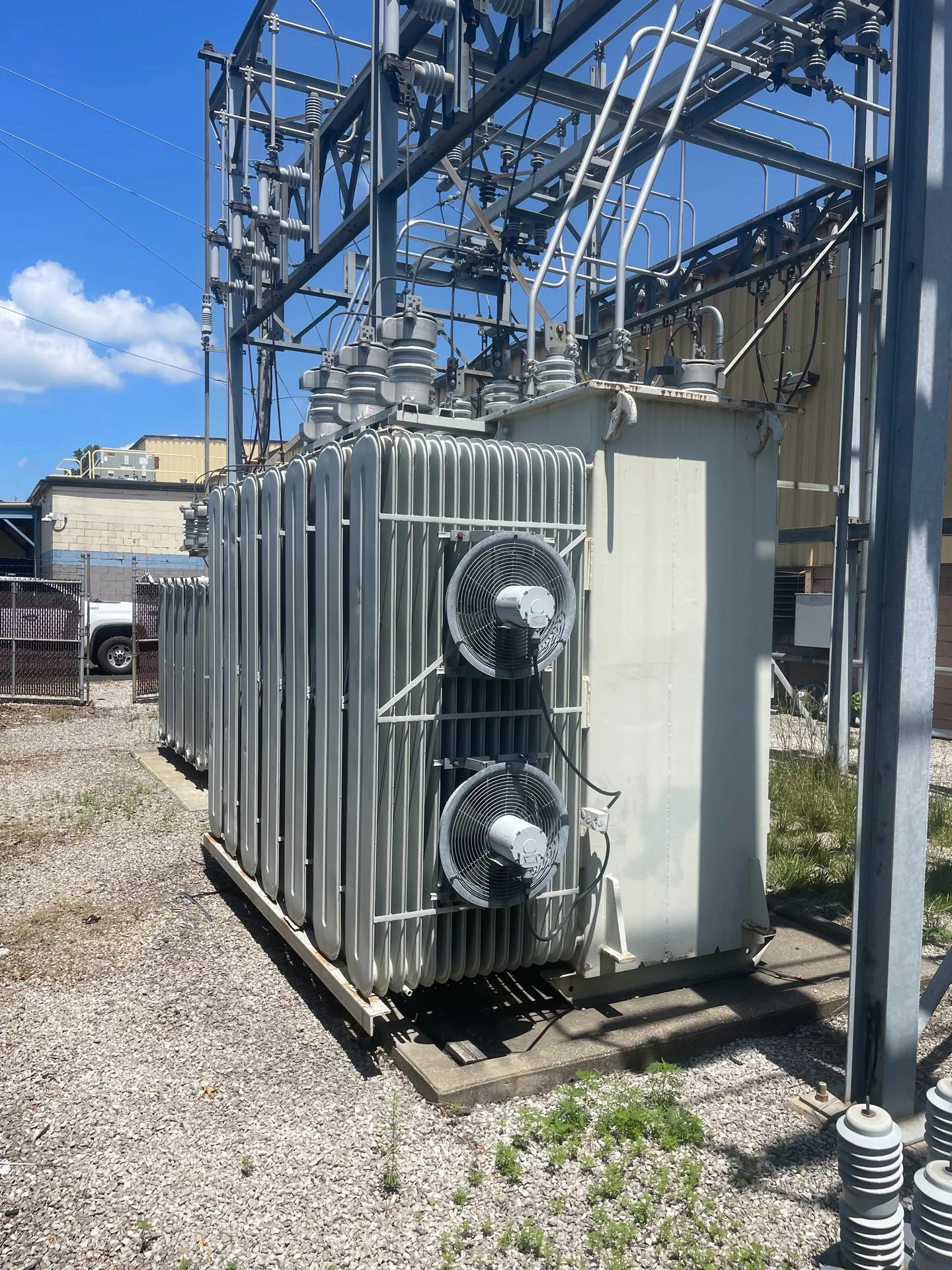
Selling Electrical Transformers in New Hampshire: A Planning Guide
This guide helps contractors, facility managers, utilities, demolition teams, and equipment resellers plan a responsible sale of new, used, or surplus electrical transformers in New Hampshire. It explains the documentation and technical details buyers typically need, how site access and rigging affect removal, what to expect for long-distance freight, and alternatives if a transformer is not marketable as reusable equipment. We operate as a nationwide buyer; use this guide to prepare accurate information and to coordinate with qualified professionals for disconnection, testing, and transport.
Evaluation starts with facts
Share the manufacturer, rating, voltage, phase, condition, quantity, and location before discussing value or pickup.
Document the unit: nameplate, manufacturer, and specifications
Start by gathering every piece of identification and specification available. A clear nameplate photo is the single most useful item because it typically shows manufacturer, serial number, kVA or MVA rating, primary and secondary voltages, phase, frequency, impedance, temperature rise, and design classification. If a nameplate is missing or unreadable, provide model numbers, datasheets, purchase invoices, or photos of internal components. Quantity, whether units are identical, and any accessories (bushings, conservators, taps) should also be recorded.
bullets
- Essential: nameplate photo showing kVA/MVA, voltages, phase, frequency, and serial number
- Helpful: manufacturer model or purchase records, test reports, and maintenance logs
- Note the type: dry-type, oil-filled, pad-mounted, isolation, step-up/step-down, or autotransformer
Ownership, records, and disposition options
Clarify who holds title and gather ownership records before marketing a unit. Purchase invoices, asset tags, maintenance contracts, or transfer paperwork will speed review and removal planning. Not every transformer will receive a reuse offer; condition and documentation influence outcomes. If a unit is not reusable, alternatives include equipment auction, specialist brokers, scrap recyclers, or qualified disposal. Discuss environmental requirements and legal obligations with your organization’s counsel or environmental professional when considering recycling or disposal of oil-filled or PCB-impacted equipment.
bullets
- Collect proof of ownership and any decommissioning permits or notifications
- Decide early whether you want reuse offers, parts resale, or recycling/disposal options
- Be transparent about known issues like missing paperwork or prior repairs
Condition, testing, and service history
Buyers evaluate condition through visual inspection, test records, and service history. Provide recent dielectric tests, turns-ratio tests, dissolved gas analysis for oil-filled units, and any repair or maintenance reports. Describe visible issues such as corrosion, oil leaks, damaged bushings, or evidence of overheating. If tests are not available, say so; some buyers can arrange inspection but that affects scheduling and cost. Never attempt electrical testing or disconnection unless performed by qualified personnel in accordance with applicable codes and safety procedures.
bullets
- Attach recent test reports when available; indicate the date and testing lab or technician
- Describe any observable damage, leaks, or missing parts
- Note age and last in-service date; older units often require more documentation
Site access, rigging, and loading considerations
Practical removal planning depends on where the transformer sits and how accessible the site is. Provide the exact location on the property, access roads, overhead clearance, pad or indoor placement, nearby obstacles, and whether a crane, forklift, or trailer loading is possible. Outdoor or rural New Hampshire sites may have seasonal constraints; winter conditions can affect crane or trailer access. Coordinate with qualified riggers and electrical contractors for de-energization and safe handling—buyers will rely on seller input about site logistics when estimating costs.
bullets
- Describe vehicle access, surface conditions, and any weight limits on approach roads
- Note whether the transformer is indoors, outdoor pad-mounted, or in a fenced substation area
- Mention required permits, lockout/tagout needs, and whether trained personnel will be onsite
Freight and long-distance transport logistics
Long-distance transport depends on weight, dimensions, hazardous materials status, and whether the unit is crated or skidded. Provide gross weight and footprint if known; otherwise photos with scale help. Oil-filled units may need special handling and documentation for fluid containment. Remote locations, narrow roads, and seasonal weather in New Hampshire can increase freight complexity. Expect buyers to request lifting points, skid locations, and securement requirements so carriers can prepare appropriate trailers and permits for oversize or overweight loads.
bullets
- Estimate or measure weight and dimensions; even ballpark numbers speed freight quotes
- Identify whether fluids remain in the tank and whether containment or pre-draining is planned
- Consider nearby staging areas for carrier pick-up to reduce site constraints
Timeline, coordination, and next steps
Set realistic timelines that align with your project schedule. Early contact yields better options because identification, site access planning, and freight quoting all take time. To start, send photos (including nameplate), quantities, site access details, and any test records. A buyer may request a site visit or ask for a proof of ownership. Coordinate removal with the contractor doing de-energization and rigging—buyers expect sellers to arrange qualified professionals and necessary permits. If you prefer alternative disposition, prepare documentation for auction houses or recyclers early to avoid delays.
bullets
- Provide initial information as early as possible: photos, nameplate, location, and quantity
- Expect follow-up questions about access, ownership, and condition before an offer
- Plan removal dates that allow for carrier scheduling, permits, and qualified electrical work
Common questions
Practical answers before you call
One clear next step