Sell Electrical Transformers in New Jersey
This page explains how to prepare new, used, or surplus electrical transformers in New Jersey for a careful review by a nationwide buyer. It focuses on the information and site conditions that typically matter to purchasers: clear nameplate data, manufacturer and design, condition and test history, ownership records, safe access for removal, and realistic freight and timing expectations. The goal is to help facility managers, contractors, demolition teams, and resellers organize the facts that influence a potential offer or sensible alternatives.
Evaluation starts with facts
Share the manufacturer, rating, voltage, phase, condition, quantity, and location before discussing value or pickup.
What buyers need to evaluate
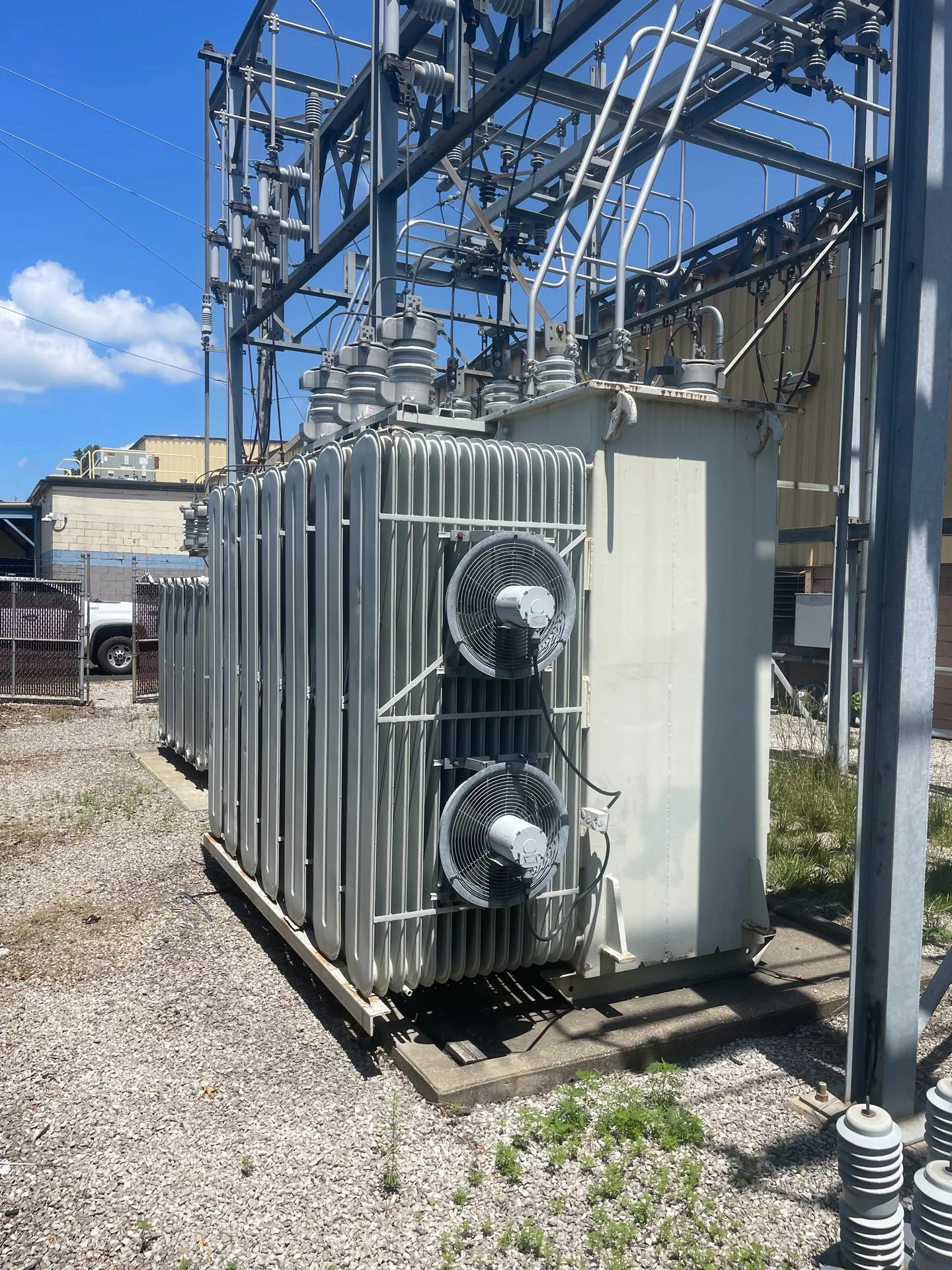
A buyer’s initial assessment is driven by the transformer’s specifications and identity. Nameplate data and model markings provide core facts about manufacturer, kVA or MVA rating, primary and secondary voltages, phase, frequency, impedance, temperature rise, and serial or model numbers. Design type — dry-type, oil-filled, pad-mounted, distribution, power, isolation, autotransformer, or three-phase — is essential. If this information is missing or obscured, a physical inspection or readable photographs of the nameplate and rating plate become critical.
Beyond the nameplate, quantity and configuration affect interest. Single spare units, matched sets, or multiple surplus units from one site are evaluated differently. Buyer demand depends on how common the specifications are, whether parts or refurbishment markets exist for the make and model, and whether the units are serviceable. Clear, accurate equipment identification speeds review and reduces uncertainty for both seller and buyer.
- Typical nameplate fields buyers request: manufacturer, serial number, model number, kVA/MVA, primary/secondary voltages, phase, frequency, vector group (if present), and cooling/design class.
- Include visible enclosure type, bushings, cooling ducts, conservator or secondary connections, and any labels for previous repairs or modifications.
- Note quantity, whether units are stored indoors or outdoors, and any mounting or transport frames attached.
Documentation and ownership records to assemble
Documentation matters. Purchase orders, invoices, ownership transfer paperwork, maintenance logs, test reports (DGA, turns ratio, insulation resistance, power factor), and repair records help establish value and marketability. If you are an electrical contractor, facility manager, or equipment reseller, collect any available removal or de-energization documentation that clarifies how the unit was taken out of service. Proof of legitimate ownership or authorization to sell reduces legal and logistical friction during a transaction.
If complete files are unavailable, provide what you have and note gaps. Buyers can often proceed from clear photos, nameplate images, and a coherent location history, but missing test results or service records typically affect offer range or require onsite inspection before finalizing terms.
- Helpful documents: original purchase invoice, recent test reports, maintenance records, repair invoices, and decommissioning/removal notes.
- If instruments or tags were removed, list serial numbers and any associated circuit or asset tags to link the transformer to site records.
Assessing condition and service history
Condition impacts disposition. Buyers evaluate age, visible wear, evidence of oil leaks, corrosion, signs of overheating, damaged bushings, or missing components. For oil-filled units, information on oil tests or documented remediation is relevant. Dry-type units are judged by core and winding condition and evidence of moisture or contamination. Honest condition notes and recent test reports reduce the need for intrusive inspections and help buyers estimate refurbishment costs or parts salvage value.
Keep in mind that absence of tests does not automatically eliminate resale options, but it may move a unit toward parts or recycling markets rather than reuse. Provide any information about load history, extended outages, or exposure to extreme environments that could influence functional reliability.
Site access, disconnects, rigging and loading
Practical access details are decisive. Describe the unit’s exact location on site, floor or pad level, clearances, nearby obstructions, available overhead clearance, and truck or crane access. Buyers plan removal around these details because they affect required rigging equipment, labor, and cost. If a transformer is rooftop-mounted, in a fenced yard, or behind other equipment, note those constraints up front.
Do not attempt electrical disconnection, fluid handling, rigging, or transport without qualified professionals. Any disconnection, energization safety checks, fluid draining or containment, and specialized lifting must be performed by licensed electricians, rigging contractors, or environmental service providers in accordance with applicable codes and regulations. Providing contact information for your on-site rigging or service contractor can streamline planning.
- Access checklist to provide: exact location, photographs of approach routes, floor or pad condition, lifting points and eye-bolts, and the presence of stairs or elevators.
- Indicate whether the site has weight limits, restricted hours, or insurance and permitting requirements that could affect removal windows.
Long-distance freight and logistics
For transforms moving out of state, freight planning is a substantial factor. Buyers consider overall dimensions, weight, whether the unit is crated or skidded, and if special permits or escorts are required. Roadway clearance, bridge limits, and routing for oversized loads may affect cost and timing. If local trucking is limited or a specialized carrier is needed, those constraints can change whether a buyer proceeds with an offer.
Discuss who will coordinate and pay for freight and whether the sale will be quoted as pickup (seller arranges loading) or delivered (buyer handles transport logistics). Insure that any fluid-containing units are prepared per environmental and transport rules and that handling is delegated to qualified firms. Upfront clarity on loading responsibilities and pickup windows avoids misunderstandings later in the process.
- Freight details to supply: approximate dimensions and weight, whether the unit is on a skid or pad, and any special lifting or crating already in place.
- Note if an experienced carrier or permit is required due to oversized dimensions or hazmat considerations for dielectric fluids.
Timing, demand, and realistic outcomes
Timing matters. Contact a buyer early in the project or before removal so that nameplates, test records, and access details can be preserved. Buyer demand fluctuates with market supply, specifications, and the availability of refurbishment or parts markets. Some units attract multiple offers; others may be better suited to auction, brokerage, parts resale, recycling, or qualified disposal. A preliminary review helps match your equipment to appropriate channels.
Sellers should expect a period of information exchange, possible onsite inspection, and negotiation of logistics before a definitive decision. If an immediate cash sale is not available, ask about alternative pathways such as consignment, auction representation, or introduction to recyclers that handle end-of-life transformers safely and compliantly. Clear, early communication increases options.
Common questions
Practical answers before you call
One clear next step