Sell Electrical Transformers in New Mexico — Seller Guide
If you are preparing to sell a transformer from a project, facility upgrade, surplus inventory, or demolition in New Mexico, planning ahead reduces delays and improves the chance of a usable offer. This guide explains what buyers typically need — nameplate and specification data, test and ownership records, condition notes, site access and rigging details, and realistic timing expectations. The information is intended for electrical contractors, facility managers, utilities, demolition teams, and equipment resellers. The buyer described here operates nationwide; this page explains what sellers should gather before contacting a purchaser.
Evaluation starts with facts
Share the manufacturer, rating, voltage, phase, condition, quantity, and location before discussing value or pickup.
Start with clear documentation and nameplate data
The first items a buyer will request are nameplate and specification details. A readable nameplate photo is often the single most useful piece of information because it usually lists manufacturer, serial number, model, kVA or MVA rating, primary and secondary voltages, phase, frequency, impedance, and temperature rise. If the nameplate is missing, provide model numbers, photos of internal tags, or any purchase documents that identify the unit.
Along with nameplate data, collect any available test and service records. Recent insulation tests, turns-ratio tests, dissolved gas analysis (for oil-filled units), and maintenance logs can materially affect how a buyer qualifies equipment. Even informal notes about last in-service date, reason for removal, and prior load history help buyers evaluate reuse potential or suitability for parts.
- Essential: clear nameplate photo showing manufacturer and ratings
- Helpful: purchase invoices, removal records, and load history
- Valuable: recent test reports (megger, turns-ratio, DGA for oil units)
Confirm type, design, and condition
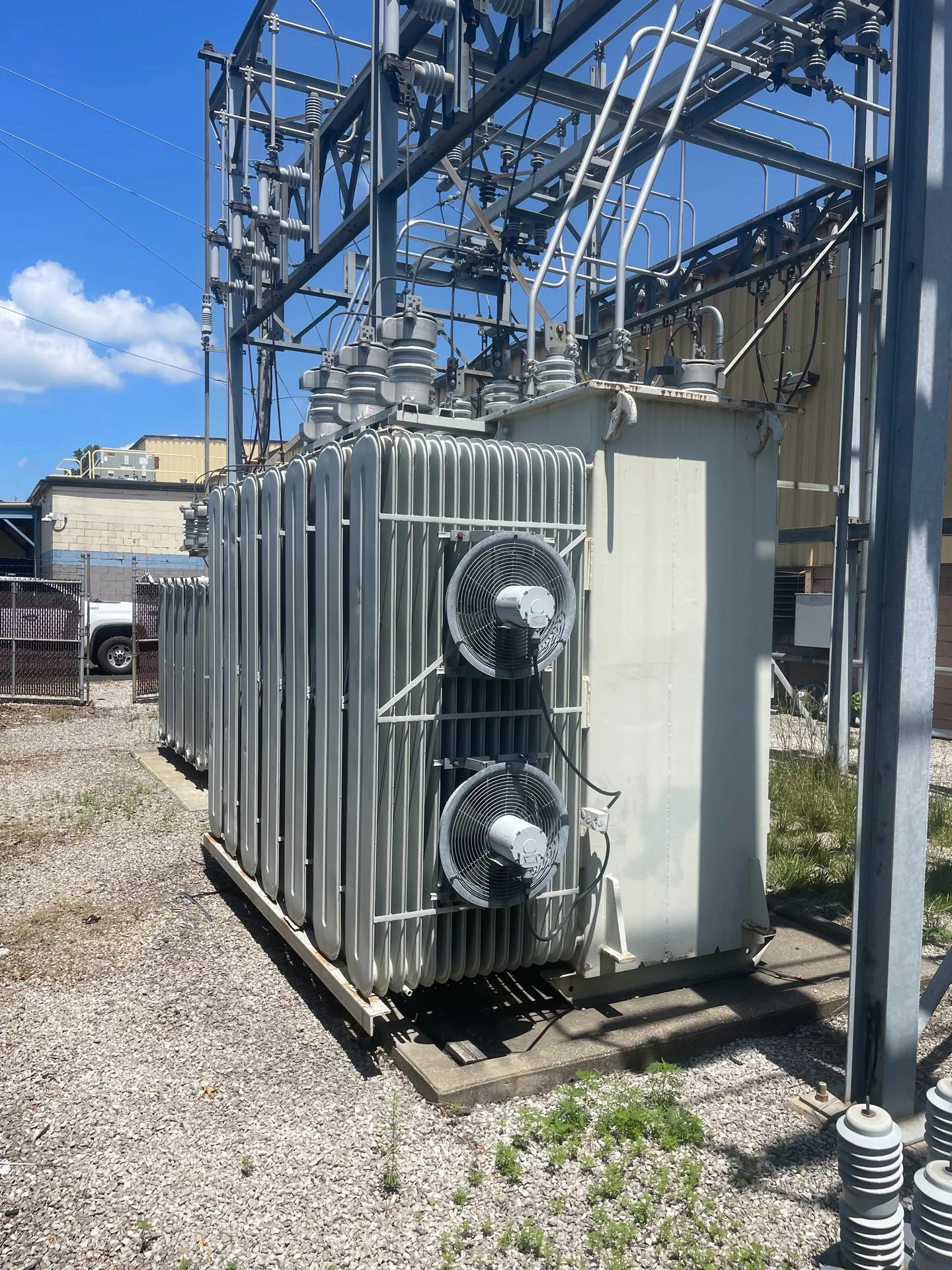
Buyers classify transformers by design and application: dry-type, oil-filled, pad-mounted, distribution, power, step-up/step-down, isolation, or autotransformer. State the design type and enclosure details (e.g., NEMA rating, pad-mount with locked cabinet) and whether the unit was indoor or outdoor. Age and visible condition — corrosion, paint, bushing damage, oil leaks, or interior winding exposure — are important. Honest, specific condition notes speed evaluation and set realistic expectations.
Quantity matters. Single units are reviewed differently than multiple identical units or complete equipment packages that include switchgear, breakers, and panels. If you control several transformers with similar specifications, note their serial ranges and whether they were maintained as a fleet.
- List: dry-type vs. oil-filled, pad-mounted vs. indoor cabinet
- Note: visible rust, oil stains, bushing condition, and missing parts
- If multiple: provide quantities, serials, and consistent test history
Ownership, records, and legal considerations
Buyers will confirm legal ownership and any lien or salvage status before completing a purchase. Have documentation ready that shows you are authorized to sell the equipment — purchase orders, property records, asset tags, or municipal transfer paperwork. If a transformer came from a demolition or contractor project, identify who has authority to sign a bill of sale.
Also disclose any environmental or regulatory constraints that apply to the unit, such as PCB history for older oil-filled transformers or local requirements for decommissioning. Buyers cannot perform legal or environmental clearances for you; they rely on accurate seller disclosures to assess potential handling costs or disposal needs.
- Provide proof of ownership or authorization to sell
- Disclose environmental or regulatory flags (e.g., PCB history)
- Identify any third-party liens or salvage claims up front
Site access, disconnection, rigging and safety
Practical access details strongly affect whether a buyer will pursue an offer and what logistics will cost. Describe the specific location on site (substation, roof, electrical room, outdoor pad), clearance for trucks/rigs, crane or fork access, and any limitations such as narrow gates, low overhead, or seasonal road restrictions. If the unit requires interior removal or rooftop rigging, note whether a structural evaluation is completed or required.
Do not attempt energization, disconnection, testing, rigging, fluid handling, or transport without qualified professionals. Buyers expect sellers to arrange or confirm qualified electricians, riggers, decontamination, or hazardous-material contractors as needed, and to comply with applicable electrical codes, OSHA rules, and environmental regulations.
- Describe vehicle and crane access, loading area dimensions, and overhead clearances
- State whether the transformer is energized, disconnected and isolated, or still in service
- Confirm availability of qualified electricians and rigging contractors for removal
Loading, long-distance freight and logistics
Large transformers often require specialized trucks, spreader bars, or cradles for safe over-the-road transport. Buyers evaluate whether the unit can be ground-loaded, requires a crane lift, or needs a specialized transporter for overweight or oversize loads. For long-distance moves, clarify origin ZIP or general region, and whether the seller will coordinate pickup or prefers a delivered price.
Freight planning also depends on whether the transformer is being sold for reuse, parts, or scrap. Reusable units typically need more careful packaging and dry, weather-protected transport. If oil must be drained or containment arranged, that impacts timing and cost. Provide any existing crating, pallets, or previous lift plans if available.
- Indicate whether the unit can be truck- or trailer-loaded at ground level
- Note if oil removal, decontamination, or special crating is required
- Specify whether you expect buyer-arranged pickup or seller-managed delivery
Timing, demand, offers and alternatives
Timing can affect whether a buyer has active demand for a specific unit. Market demand fluctuates by specification, size, and condition; while some transformers are reusable, others are more likely to be sold for parts or scrapped. Be prepared for a buyer to request additional photos, test data, or an on-site inspection before making an offer. Do not assume every transformer will receive a purchase proposal.
If a direct sale is not workable, alternatives include auction, equipment broker, recycler, or certified disposal. Each path has trade-offs: auctions and brokers can reach different buyer pools, while recyclers or disposal services handle units with limited recovery value. Discuss options with any prospective purchaser and choose the path consistent with schedule, documentation, and regulatory needs.
- Expect requests for follow-up photos, tests, or inspections before offers
- Consider alternatives (auction, broker, recycler) if direct offers are limited
- Plan removal and transport dates around project schedules and contractor availability
Common questions
Practical answers before you call
One clear next step