Sell Electrical Transformers in Oregon — Planning Guide
This guide helps contractors, facility managers, utilities, demolition teams, and resellers in Oregon prepare electrical transformers for review by a national buyer. It explains the technical information and documentation that most serious buyers need, and it outlines site-access, rigging, environmental, and logistics issues commonly encountered when moving transformers from industrial yards, commercial sites, or utility properties. The goal is practical: show what information speeds a review and what planning steps reduce surprises during inspection, loading, and long-distance transport.
Evaluation starts with facts
Share the manufacturer, rating, voltage, phase, condition, quantity, and location before discussing value or pickup.
Key equipment details buyers need
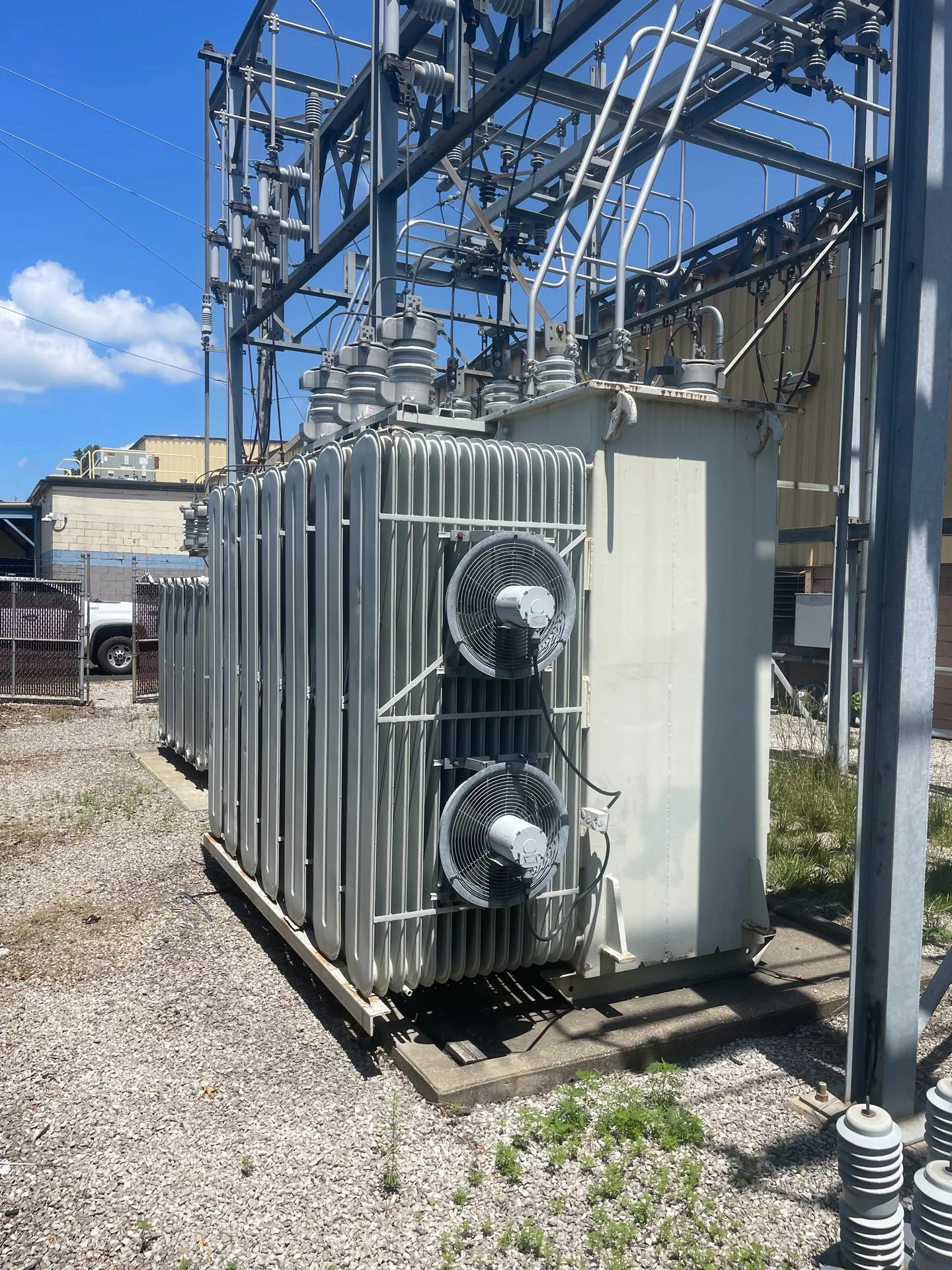
A usable equipment file begins with the nameplate. Clear photos of the nameplate usually provide manufacturer, model and serial numbers, kVA or MVA rating, primary and secondary voltages, phase, frequency, temperature rise, impedance, and design type. Buyers also want the unit type—dry‑type, oil‑filled, pad‑mounted, isolation, step‑up, step‑down, or auto‑transformer—and the approximate age and quantity available. These technical items strongly influence whether a unit is reusable, parts-worthy, or best suited for recycling.
bullets
- Nameplate fields to capture: manufacturer, serial/model, kVA/MVA, primary/secondary voltages, phase, frequency, and T-rating.
- Unit type and enclosure (pad‑mount, indoor, tank, ventilated) and whether bushings or conservators are intact.
- Quantity on site and whether units were in service, stored new, or removed during demolition.
Documentation and ownership records
Clear ownership and service documentation accelerates review. Helpful records include purchase invoices, maintenance and test reports (turn ratio, insulation/power factor, DGA if available for oil units), removal permits, and any serial‑numbered asset tags. If the transformer was part of a larger project, bundle lists or equipment schedules are useful. If title or surplus authorization rests with a third party—owner, landlord, or contractor—note that early so buyers can understand who will sign transfer paperwork and arrange pickup.
bullets
- Common helpful documents: sales invoice, test reports, maintenance logs, removal work orders, and asset tags.
- If ownership is unclear, provide contact details for the party who can authorize sale or release.
- Testing and service records do not have to be perfect, but availability improves the likelihood of a reuse offer.
Site access, rigging, and loading considerations
Site access is often the decisive factor in whether a buyer can make a practical offer. Describe site location (yard, rooftop, substation, indoor room), nearby overhead or ground obstructions, gate and road widths, overhead clearance, and proximity to staging or crane set‑down areas. Note if the transformer is on a concrete pad, skid, in a vault, or inside equipment rooms. Buyers will assume removal, de‑energization, disconnection, rigging, and loading are performed by qualified parties working to applicable codes and permits.
bullets
- Provide photos showing approach routes, clearances, and the transformer at scale.
- Flag any confined access (rooftops, vaults) or weight/size constraints that may need specialty rigging.
- If you will provide rigging crews or a crane, state that upfront; otherwise buyers will plan for third‑party quotes.
Condition, testing, and environmental notes
Condition ranges from new, stored units to older equipment with corrosion, leaks, or missing nameplates. For oil‑filled transformers disclose evidence of oil leaks, presence of a conservator, and any known testing such as dissolved gas analysis (DGA). For dry‑type units note signs of overheating, burned insulation, or moisture damage. Environmental and fluid handling work must be done by qualified contractors; if a unit contains regulated fluids (PCBs or other hazardous material), indicate that in your submission so buyers can evaluate compliance implications.
bullets
- List visible damage, corrosion, missing components, paint condition, and whether nameplate is legible.
- Disclose known test results (turn ratio, insulation resistance, DGA) or absence of testing.
- Identify any suspected or confirmed regulated fluids so proper handling can be arranged.
Long-distance freight, destination, and logistics
If the transformer will require long‑distance transport, note the nearest highway access, distance to a transload or rail yard, and whether the unit can be loaded onto a flatbed at grade. Large power transformers often need special permits and route planning; buyers will factor freight complexity and lifting requirements into an offer. When a buyer is nationwide, they typically coordinate with third‑party carriers or your chosen hauler. Clarify whether you expect the buyer to arrange freight or if you will manage pickup logistics.
bullets
- Provide curbside weight/size estimates and whether skids or blocking are available.
- State if you expect the buyer to coordinate shipping or prefer to receive a freight allowance.
- For remote or island locations, note additional loading steps or vessel transfer needs.
Timing, decision process, and alternatives
Be realistic about timing: evaluations, remote reviews, onsite inspections, and freight quotes can take days to weeks depending on documentation and site complexity. Not every transformer will receive a purchase offer—value depends on specs, condition, testing, quantity, and current buyer demand. If a direct purchase is not practical, sellers can consider alternatives such as auctions, specialty brokers, equipment dealers, recycler networks, or qualified disposal. Early engagement keeps more options open and reduces the chance of losing identifying information during site changes.
bullets
- Typical decision factors: nameplate specs, test records, location and access, quantity, and current demand.
- If you need to clear site quickly, mention deadline constraints so reviewers can prioritize visits or recommend alternatives.
- Alternatives include selling for parts, consignment through a broker, auction, or disposal with an appropriately licensed recycler.
Common questions
Practical answers before you call
One clear next step