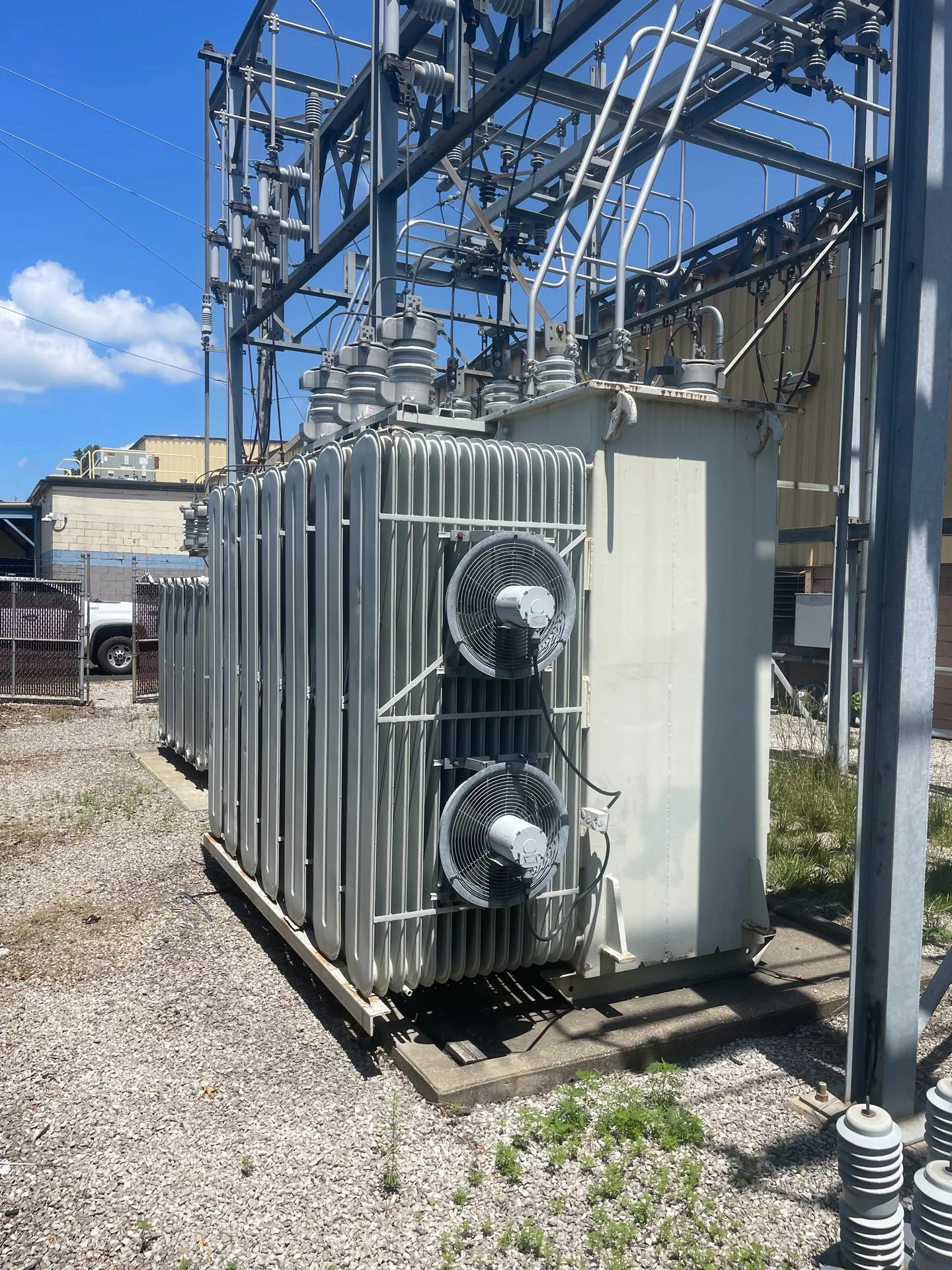
Sell Electrical Transformers in Rhode Island — Planning Guide
This guide helps contractors, facility managers, utilities, demolition teams, and resellers plan the sale of new, used, or surplus electrical transformers anywhere in Rhode Island. It explains the documentation and technical details buyers typically need, how site access and rigging affect logistics and cost, what to expect for long-distance freight, and realistic timing and sale alternatives. We operate as a nationwide buyer and will review equipment from sites across the state without implying a local branch.
Evaluation starts with facts
Share the manufacturer, rating, voltage, phase, condition, quantity, and location before discussing value or pickup.
Start with clear documentation and nameplate data
The single most useful step you can take is assemble documentation and clear photos. A readable nameplate photo and pictures showing all sides of the unit, bushings, terminations, and enclosures greatly speed any review. If available, include serial number, model, manufacturer, kVA or MVA rating, primary and secondary voltages, phase, frequency, impedance, and temperature rise.
Also collect any supporting records: purchase invoices, service and test reports (e.g., turns ratio, insulation resistance, power factor), original specifications, and recent load history. Even partial records are helpful; note gaps honestly. Buyers use this information to assess reuse potential, parts value, or suitability for scrap recovery.
- Nameplate fields: manufacturer, serial, kVA/MVA, voltages, phase, frequency
- Design type: dry-type, oil-filled, pad-mounted, distribution, power, isolation
- Condition records: age, repairs, leak history, recent testing or service
- Quantity and configuration: single unit, parallel banks, or package
Evaluate equipment qualification and condition
Buyers evaluate transformers for reuse, refurbishment, parts, or recycling. Key technical factors include core and coil condition, bushing and tap-changer status, enclosure integrity, and presence of oil or internal contamination. Age and model may affect availability of spare parts. Be candid about visible damage, internal issues, or prior incidents—accurate descriptions avoid delays later in the sale process.
If you have recent test reports, include them. If testing has not been performed, disclose that and note whether the unit was de-energized before removal. Do not perform electrical work unless undertaken by qualified professionals and under applicable safety rules; buyers will rely on professional verification where required.
- Common assessment items: leaks, rust, corrosion, bushing cracks, tap-changer function
- Documentation that improves value: factory tests, maintenance logs, recent load data
- If unknown, state the limits of your knowledge rather than speculate
Ownership, title, and regulatory considerations
Confirm equipment ownership and any liens, warranties, or transfer restrictions before negotiating. Buyers need clear title to move a purchase forward. If transformers were removed as part of a demolition, document who ordered the removal and any disposal authorizations. Public or utility-owned equipment may have additional approval requirements; identify them early so potential buyers can factor approvals into timing.
Also flag environmental or regulatory considerations tied to oil-filled units. The presence of PCB labeling, unknown fluids, or required containment can change handling and cost. We do not provide environmental or legal advice; engage qualified consultants or regulatory contacts to determine obligations and required documentation.
- Verify ownership and disclose any liens or encumbrances
- Note if units came from utility, municipal, or leased facilities
- Highlight any environmental designations or known oil/fluid issues
Site access, rigging, and loading logistics
Realistic planning for removal and loading is essential. Identify where the transformer is located—roof, basement, electrical room, pad, or substation yard—and describe site constraints such as low clearances, narrow doors, or limited crane access. Buyers and their logistics partners use this information to evaluate rigging requirements, specialized lifting equipment, and potential road or permit constraints.
Provide details about staging space, gate or yard hours, vehicle approach routes, and any weight or clearance restrictions. Always have rigging, de-energization, and disconnection performed by qualified professionals following applicable codes and safety protocols. Clear, early coordination reduces surprises at pickup and helps determine realistic timelines and costs.
- Location details: indoor/outdoor, level access, proximity to roads
- Rigging needs: crane required, forklift capacity, spreader bars, slings
- Permit needs: road closures, overweight escorts, or substation entry protocols
Long-distance freight, packaging, and project timing
Many sales involve long-distance transport. Large transformers often require specialized carriers, over-dimensional permits, and detailed packaging to protect windings and bushings in transit. Buyer interest and freight feasibility are influenced by pickup location relative to major highways, port access, and seasonal weather that can affect transport windows in Rhode Island and beyond.
Allow time for freight quotes, permit approvals, and coordination with rigging crews. A realistic timeline from inquiry to pickup can range broadly depending on unit size and site complexity. Communicate any project deadlines, such as demolition windows or facility turnovers, so buyers can align schedules or propose alternatives like staged removal.
- Transport factors: weight, dimensions, special crating, bushing protection
- Scheduling: coordinate carrier availability with rigging and site access
- Seasonal notes: winter weather and coastal conditions can affect heavy lifts
Sale options and realistic outcomes
Not every transformer will meet a buyer’s reuse criteria. Possible outcomes include direct purchase for reuse, sale for parts, brokered resale, auction listing, or disposal/recycling by a qualified processor. Be prepared for alternative pathways if a direct purchase is not feasible; sometimes a broker or recycler is the most appropriate route for units with limited reuse potential or environmental constraints.
When you submit equipment, expect buyers to ask clarifying questions and possibly request a site visit or third-party inspection. Provide as much documentation and site detail as possible to help buyers make an informed offer. If you lack certain records, describe removal circumstances and condition honestly so decisions are based on facts rather than assumptions.
- Potential outcomes: direct buy, parts purchase, broker listing, auction, recycler
- Helpful seller actions: timely photos, open scheduling for pickup, honest condition notes
- Ask buyers how they handle testing, payment timing, and removal logistics before agreeing
Common questions
Practical answers before you call
One clear next step