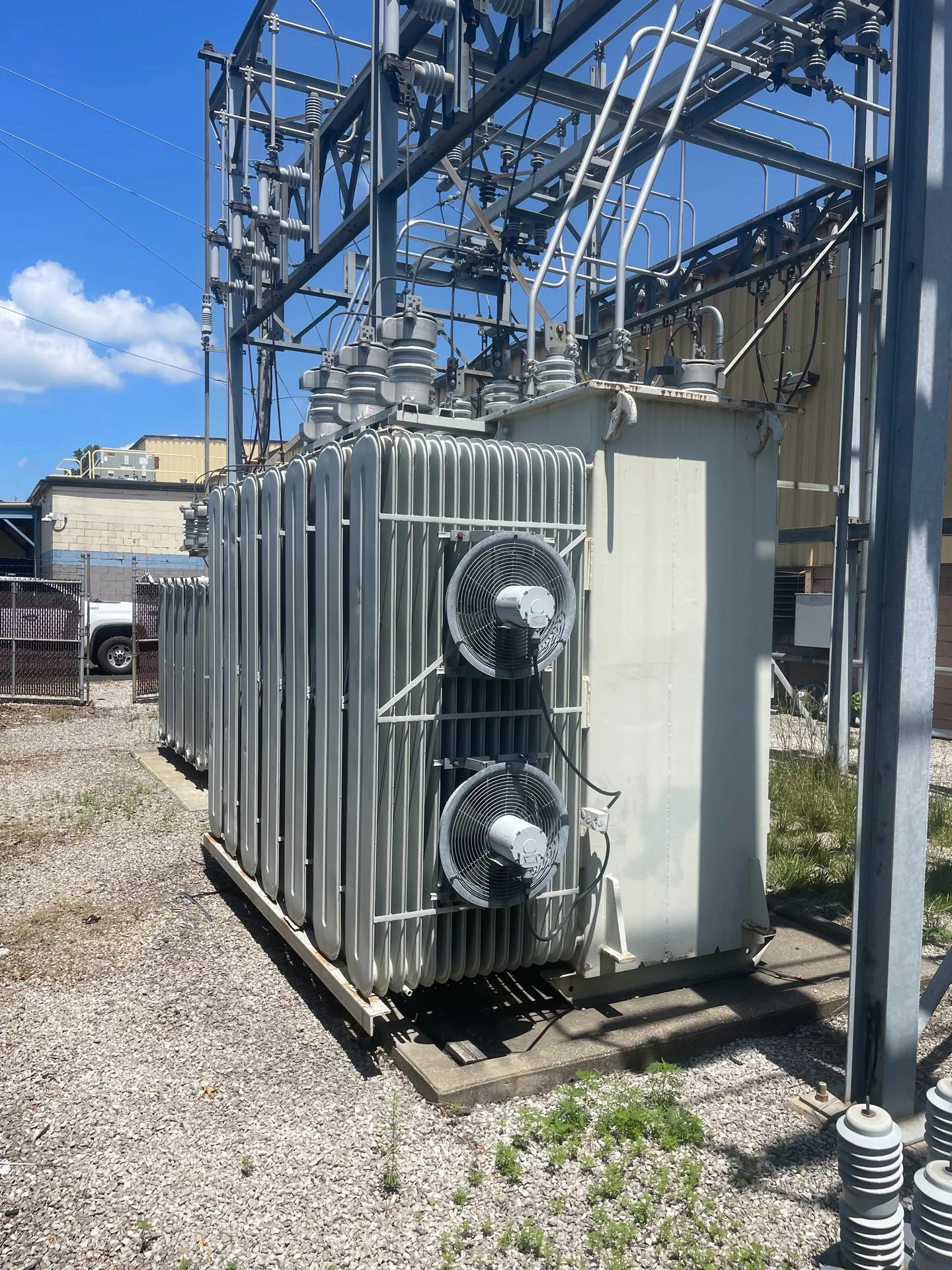
Sell Electrical Transformers in Vermont — Planning Guide
This guide helps contractors, facility managers, utilities, demolition teams, and equipment resellers prepare electrical transformers for review and sale in Vermont. It focuses on the practical information buyers need to evaluate a unit and on logistical factors that commonly affect offers: nameplate data, equipment condition, quantity, ownership, on-site access, rigging and loading, and long-distance freight. We operate as a nationwide buyer and this guidance explains what to collect and when to involve qualified professionals.
Evaluation starts with facts
Share the manufacturer, rating, voltage, phase, condition, quantity, and location before discussing value or pickup.
1. Start with clear identification and ownership records
Before seeking offers, gather proof of ownership and any transaction records you have. Clear ownership documentation reduces legal and logistical friction for a buyer, especially with larger or utility-grade transformers. Ownership records can include purchase invoices, asset tags, transfer paperwork, job orders, or a letter from the property owner that authorizes sale or removal. If ownership is unclear, disclose that early so the buyer can request appropriate documentation or recommend next steps.
bullets
- Readable nameplate photo showing manufacturer, serial number, and model
- Purchase orders, invoices or asset tag records when available
- Removal or decommissioning paperwork, if the unit was taken out of service
- Any liens, lease information, or restrictions on sale—disclose these up front
2. Record nameplate and specification data accurately
Nameplate information drives early qualification. Buyers rely on manufacturer, kVA or MVA rating, primary and secondary voltages, phase, frequency, impedance, temperature rise, and vector group (when applicable) to determine reuse potential and transport requirements. If a nameplate is missing or unreadable, note measurable ratings, part numbers, or photos of nearby markings. Accurate specification data shortens evaluation time and helps match the transformer to current buyer demand.
bullets
- Manufacturer and serial/model numbers
- kVA/MVA rating and primary/secondary voltages
- Phase (single- or three-phase) and operating frequency (60 Hz typical)
- Enclosure or mounting type: dry-type, oil-filled, pad-mounted, tank design
3. Describe condition and service/test history
Condition and test records affect how a buyer will value a transformer. Provide the unit’s age, evidence of exterior or internal damage, past failures, oil sampling or dielectric test reports, recent maintenance, and any load or service history you have. If you lack formal test reports, describe what you do know about last in-service dates, storage conditions, and any visible deterioration. Be honest about unknowns so potential buyers can estimate inspection or remediation needs.
bullets
- Approximate manufacture or installation date and last in-service date
- Recent service or test reports, including dielectric or sweep-frequency tests
- Visible issues: corrosion, leaking fluid, dented radiators, or missing components
- Storage conditions: covered indoor, outdoor pad, or yard exposure
4. Assess site access, rigging and loading needs
Site logistics are often the cost driver on a sale. Document the transformer’s exact location on the property, clearance to roadways, overhead obstructions, gate or bridge limits, and available staging areas. Note whether the unit is energized or remains connected—disconnection must be done by qualified personnel under applicable safety rules. Buyers will also want rigging details such as lifting points, weight estimates, skid conditions, and whether specialized cranes or flatbeds will be needed.
bullets
- Location on site with photos showing access route and clearances
- Approximate unit weight and any available lifting data from the manufacturer
- Whether the unit is currently connected or already removed
- Known obstructions, height limits, narrow gates, or gravel/dirt approaches
- Plan to use qualified riggers and certified lifting equipment for removal
5. Plan for long-distance freight and transport
Long-distance pickup and delivery add complexity and lead time. Provide gross weights, dimensions, and whether oil or other liquids must be managed before transit. Bulky units may require special permits, escort vehicles, or route surveys. Ask potential buyers how they plan to ship: common carrier, contracted hauler, or brokerage arrangements. Understand that seasonal access or rural roads can change available pickup windows; early communication helps avoid costly delays.
bullets
- Exact or estimated shipping weight and overall dimensions
- Whether oil draining, containment, or hazmat paperwork is required
- Preferred pickup windows and any seasonal access limitations
- Whether the buyer will arrange freight or expects seller to provide outbound logistics
6. Timing, quantity, offers and alternative routes
When you should reach out depends on project timing and quantity. Larger lots or clusters of transformers attract different interest than single units; quantities can improve economics but may require longer lead times to arrange rigging and freight. Be transparent about your timeline for removal and any constraints around site access. Not every transformer will receive a direct purchase offer; alternatives include selling through an auction or broker, parting out components, recycling, or qualified disposal—choose the path that matches condition, documentation, and schedule.
bullets
- Provide realistic removal dates and flexibility windows
- Larger quantities may require multi-step logistics and scheduling
- Expect buyers to ask follow-up questions or request site inspections
- Consider auction, broker, recycler, or qualified disposal when direct offers are not suitable
Common questions
Practical answers before you call
One clear next step