Sell Electrical Transformers in Washington — Planning Guide
This guide helps electrical contractors, facility managers, utilities, demolition teams, and equipment resellers prepare new, used, or surplus transformers for sale. It focuses on the documentation, technical details, ownership checks, site and handling considerations, and how long a typical review and removal sequence can take. The guidance explains what buyers need to see, what can slow a transaction, and reasonable alternatives if a direct sale to a nationwide buyer is not the best path.
Evaluation starts with facts
Share the manufacturer, rating, voltage, phase, condition, quantity, and location before discussing value or pickup.
Who should use this guide and what to expect
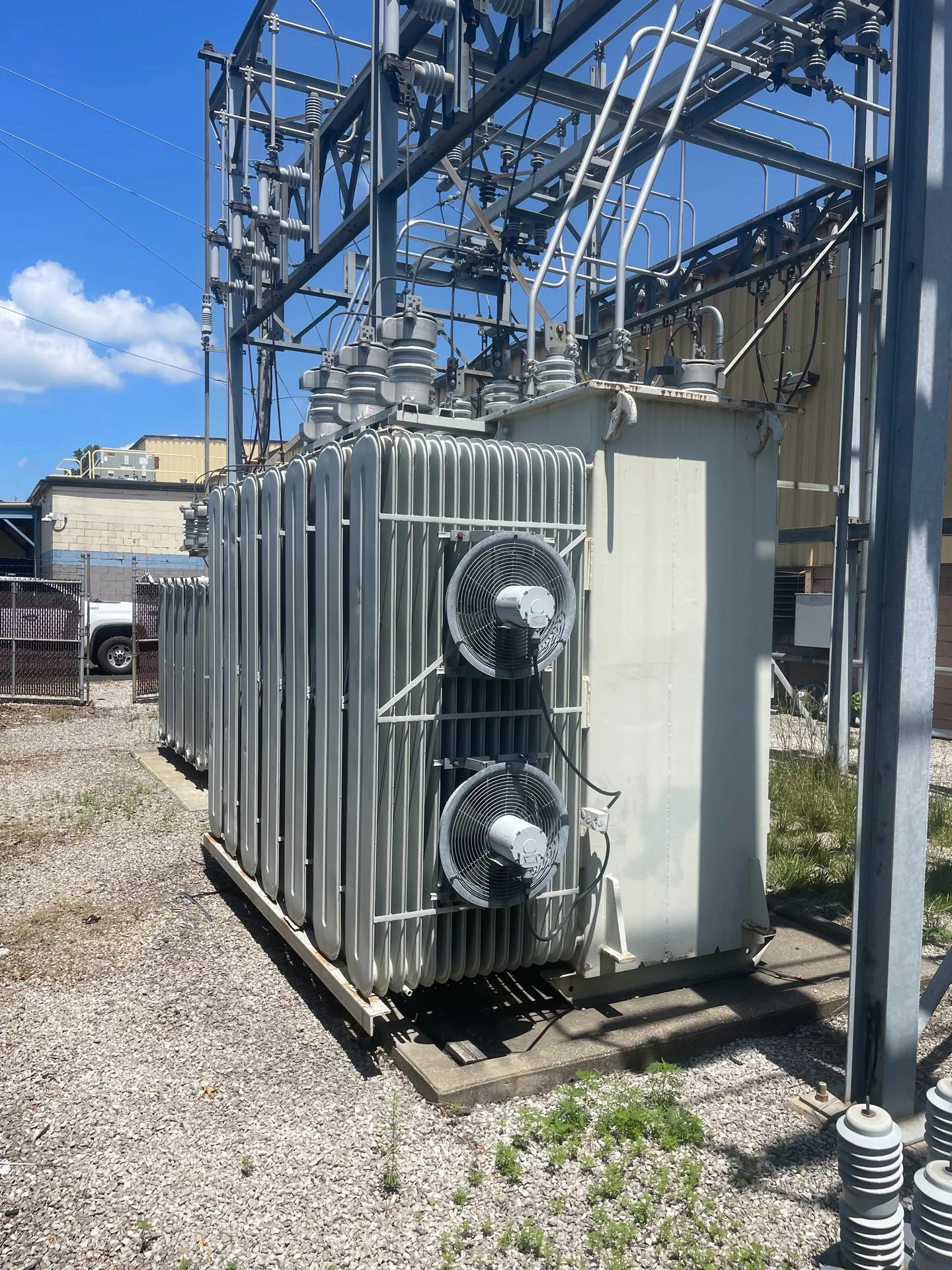
If you are responsible for surplus or decommissioned transformers—dry-type units inside buildings, pad-mounted oil-filled equipment outdoors, or larger industrial power transformers—this guide outlines information that speeds evaluation. A nationwide buyer will typically request nameplate photos, clear images of the unit, condition notes, quantity, and basic site-access details. Preparing those items up front reduces follow-up questions and clarifies whether a unit may be reusable, suitable for parts, or more likely destined for recycling.
Preparing a clear package for review does not guarantee an offer. Buyers assess market demand, technical suitability, and logistics costs. Some units will receive offers, others will require field inspection, and some may be redirected to auction, broker channels, parts resale, or licensed recycling depending on condition, ownership, documentation, and transport feasibility.
- Intended for contractors, facility managers, utilities, demolition crews, and resellers
- Helps buyers decide reuse, parts recovery, or recycling paths
- Good preparation speeds evaluation but does not ensure a sale
Documentation and nameplate data to gather first
A legible nameplate photo is the most important single item a buyer will ask for. Key nameplate fields include manufacturer, serial and model numbers, kVA or MVA rating, primary and secondary voltages, phase, frequency, insulation class, and whether the design is dry or oil-filled. Additional details such as impedance, temperature rise, and enclosure class help determine reuse potential and shipping constraints.
If factory test reports, recent dielectric or power-factor tests, maintenance logs, or purchase invoices exist, include them. When formal records are missing, provide any available model numbers, invoices, or photos that show distinguishing features. Disclose missing data up front; transparency prevents wasted time and lets buyers recommend sensible next steps.
- Priority photos: full unit, clear nameplate, terminations, bushings, interior (if safe to photograph)
- Helpful records: factory tests, maintenance logs, purchase invoices
- Nameplate essentials: kVA/MVA, voltages, phase, manufacturer, serial/model
Condition, age, and qualification considerations
Buyers evaluate physical condition and service history to determine whether a unit can be reused or is valued only for parts or scrap. Visible corrosion, evidence of overheating, damaged bushings, oil seepage, rodent damage, or a missing nameplate will reduce reuse value and often prompt a site inspection. Age alone is secondary to documented performance and the presence of critical test reports.
When describing condition, note the last in-service date, any fault history, recent repairs, and whether the unit was load-tested prior to removal. For oil-filled units, describe oil appearance and whether fluids were drained. Avoid attempting electrical diagnosis unless qualified; recommend licensed electricians or independent test labs for formal assessments that buyers may require.
- Document leaks, corrosion, damage, missing parts, and nameplate status
- Provide last active service date, fault and repair history, and test results
- Differentiate units likely reusable, useful for parts, or suitable only for recycling
Site access, rigging, and loading information to prepare
Accurate site details make rigging and cost estimates possible. Specify whether the transformer sits indoors, on a concrete pad, a fenced yard, a rooftop, or within a vault. Provide photos and measurements of doorways, gates, aisles, and the path from the staging area to the unit. Note overhead clearances, nearby utilities, and any temporary restrictions such as limited pickup windows or security protocols.
De-energization, disconnection, and safe lifting must be done by qualified electricians and rigging professionals working under applicable codes and permits. Sellers should decide whether they will arrange these services or expect the buyer or a carrier to coordinate them, and clarify responsibility for associated costs before scheduling removal.
- Describe unit location: inside electrical room, rooftop, pad-mounted, or yard
- Provide route dimensions: door/gate widths, aisle clearances, turning radius
- Identify likely rigging: crane pick points, forklift access, or special spreaders
Long-distance freight and transport planning
Many transformer transactions involve long-haul trucking or specialized heavy-haul carriers. To estimate shipping, buyers need approximate weight and external dimensions, whether oil was drained, and if any residual fluids remain. Oversized or overweight loads may require permits, route surveys, and escorted transport. Honest reporting of fluid status and weight ranges prevents delays and incorrect freight quotes.
Coordinate calendar constraints and staging areas ahead of time. For out-of-region moves, expect coordination among the seller, buyer, riggers, and third-party carriers to confirm pickup dates. Nationwide buyers commonly work with contracted carriers rather than maintaining local removal crews, so sellers should plan to support carrier access and site signoffs during loading.
- Provide approximate weight, length, height, and width for freight quotes
- State whether tank fluids were drained and how they will be handled
- Note pickup availability, staging area, and any permit or escort requirements
Ownership, timing, and realistic outcomes
Confirm legal ownership and authority to sell before requesting offers. Buyers will need to know who can sign removal authorizations and whether liens, environmental holds, or outstanding permits affect transfer. An authorization letter or clear title accelerates transactions; unresolved ownership or permitting issues can delay or prevent removal.
Timing varies with documentation clarity, condition, and logistics. Accessible, well-documented units are quicker to evaluate and remove. Units needing inspections, repairs, or regulatory clearance may take weeks to resolve, and some will be redirected to alternative disposition channels such as auction, broker resale, parts sales, or licensed recycling. Discuss alternatives with qualified advisors to select the safest and most compliant path.
- Confirm owner and authorized decision-maker before seeking offers
- Faster disposition when documentation, access, and fluid status are clear
- Alternatives include auction, broker resale, parts sale, or licensed recycling
Common questions
Practical answers before you call
One clear next step