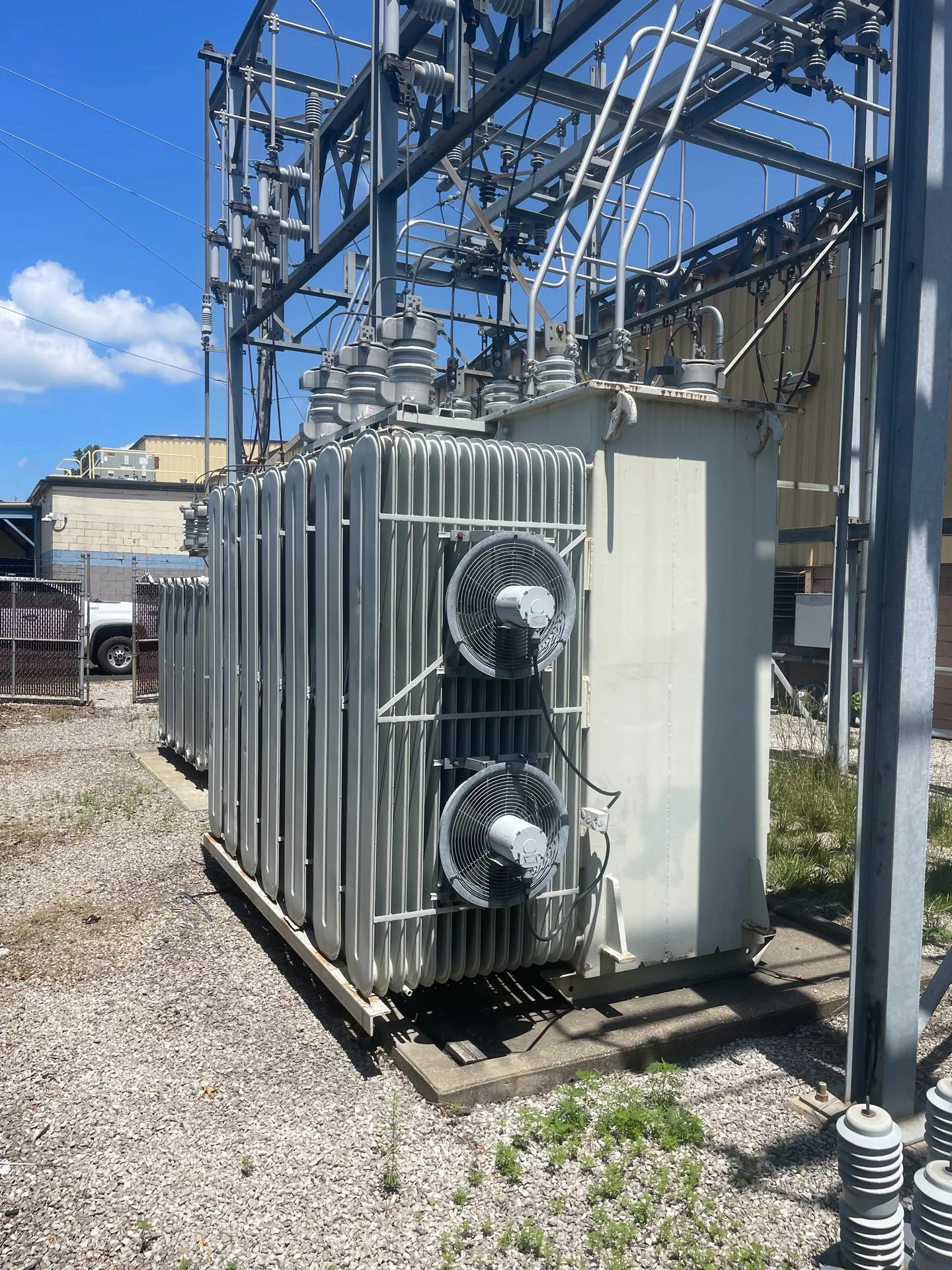
How to Sell Electrical Transformers in Wisconsin
This guide lays out practical steps for companies and contractors who need to sell new, used, or surplus electrical transformers in Wisconsin. It explains what buyers typically review—nameplate data, manufacturer, kVA/MVA, voltages, phase, frequency, design type, age, quantity, test records, and condition—and how site access, rigging, ownership records, and freight affect sale feasibility. Use this as a planning checklist to prepare equipment for review. The company referenced here operates as a nationwide buyer and evaluates offers case by case.
Evaluation starts with facts
Share the manufacturer, rating, voltage, phase, condition, quantity, and location before discussing value or pickup.
Gather essential documentation and nameplate details first
Start with clear, readable photos of the transformer nameplate and any manufacturer labels. Buyers rely heavily on nameplate information: manufacturer, model/serial number, kVA or MVA rating, primary and secondary voltages, phase, frequency (50/60 Hz), and design type (e.g., dry-type, oil-filled, pad-mounted, isolation, auto-transformer). If you have purchase invoices, service or test reports, or maintenance records, include those files. Missing or ambiguous nameplate data makes initial evaluation slower and may limit interest.
If the nameplate is missing or unreadable, provide thorough photos of the unit from multiple angles, tag locations, and any stamped or cast identification. Note the approximate age, visible signs of wear, corrosion, bushing condition, and whether the unit was in service when removed. Be honest about unknowns—buyers can often work from partial records, but transparency speeds the review and reduces follow-up questions.
- Priority: readable nameplate photo showing kVA, voltages, phase, frequency, and serial number
- Helpful: manufacturer catalog pages, purchase invoices, and recent test/service records
- If unavailable: clear photos, quantity, and the last known in-service date
Document condition, testing, and qualification factors
Condition and testing records strongly influence whether a transformer is reusable, suitable for parts, or better suited for recycling. Relevant details include internal and external visual condition, dielectric fluid level and appearance for oil-filled units, results of insulation resistance or turns-ratio tests, and any known faults or repairs. Include information about past load history if available—whether the unit was lightly loaded, heavily loaded, or used intermittently—as this contextualizes remaining useful life.
Buyers may ask about design features such as impedance, cooling class, bushings and tap changers, enclosure type, seismic anchoring, and any custom modifications. For older or modified units, specify what was changed and when. If there are environmental concerns (e.g., historical PCB testing), disclose those records early; environmental handling and disposal requirements must follow applicable regulations and qualified professionals.
- Testing: insulation resistance, turns-ratio, power-factor or DGA if available
- Condition: oil samples results (if tested), visible leaks, bushing integrity
- Design notes: cooling class, impedance, tap-changer type, enclosure rating
Plan for site access, disconnection, rigging, and safety
Access and rigging logistics are often the deciding factor on whether a buyer can make an offer. Provide precise location details (indoor electrical room, rooftop, fenced yard, pad-mounted on a street) and photos showing approach routes, gate widths, overhead obstructions, and clearances. Note surface type (concrete, gravel, asphalt) and whether a truck-mounted crane or forklift can reach the unit. Buyers will need to assess if third-party rigging or temporary road permits are required.
Do not attempt electrical disconnection, lifting, fluid handling, or load transfer without qualified personnel. Transformer isolation, de-energization, and testing must be completed by licensed electricians or utility-approved crews according to applicable standards. State whether you will arrange rigging and disconnection with qualified contractors or if the buyer should include that cost in their offer. Clear roles save time and reduce safety risk.
- Describe exact placement and approach: indoor vs. outdoor, rooftop, pad-mounted, fenced
- Identify potential obstructions: overhead lines, narrow gates, low bridges, stairs
- State whether certified rigging contractors and electricians will be provided or need to be arranged
Consider freight, long-distance transport, and packaging
Long-distance transport options and costs affect net offers for heavier distribution and power transformers. For large oil-filled or power class units, buyers factor in disassembly, special trailers, escort vehicles, permits, and sometimes temporary load-restriction routing. Smaller dry-type transformers can often move on standard flatbeds. Tell buyers whether the unit can be transported intact or requires de-tanking, crating, or disassembly.
Provide the pickup ZIP code and the nearest highway access point to help buyers estimate freight. If weather or seasonal conditions (e.g., Wisconsin winter road restrictions) could affect scheduling, note typical access windows. Freight estimates are approximate until a confirmed pickup plan and full measurements/weight are provided, so expect refinements after a site visit or contractor assessment.
- Share approximate dimensions and weight if known, or request a site measure
- Confirm whether fluid draining/disposal and decontamination are required before transport
- Note seasonal/road constraints that could affect oversized loads or scheduling
Timeline, ownership records, offers, and alternative routes
State who holds title to the equipment and whether any liens or third-party claims exist. Buyers will require a clear chain of ownership or authorization to remove and transfer the asset. Provide the estimated earliest pickup date and any deadlines tied to renovation, tenant move-out, or demolition. The best outcomes typically come from sellers who can allow a short inspection window and coordinate qualified crews.
Not every transformer will receive a purchase offer. If a buyer does not accept a unit, sellers should consider alternatives such as equipment auctions, independent brokers, scrap recyclers, or qualified disposal. Each path has trade-offs: auction channels may reach more bidders for reusable units, brokers can target equipment-specific buyers, and recyclers handle end-of-life recovery while ensuring proper disposal under applicable regulations.
- Provide ownership documentation and lien status before offers are finalized
- Indicate earliest possible pickup and any firm removal deadlines
- If an offer isn’t made, consider broker listings, timed auctions, or certified recycling
Common questions
Practical answers before you call
One clear next step